






No products in the cart.
- Latest
- Trending

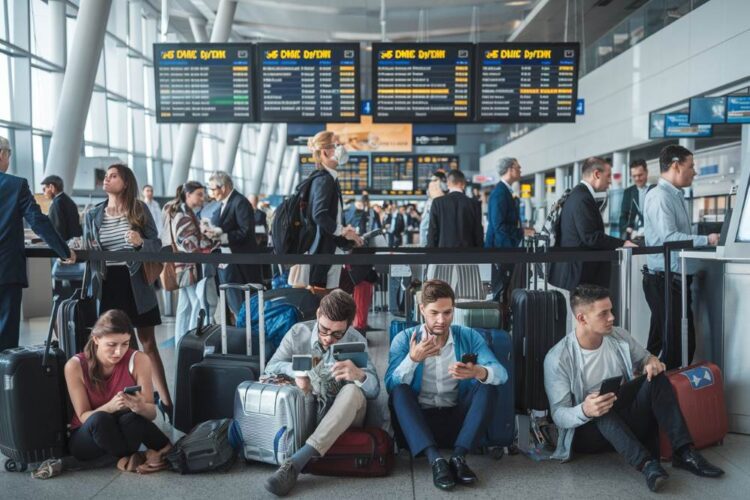
Travel Chaos in U.S. as American, Delta, Southwest, United and Other Airlines Cancel 168 and Delay 2...
Comprehensive Summarization:
The article reports on significant travel disruptions across the United States due to severe weather conditions, leading to widespread flight cancellations and delays. Major airlines such as American Airlines, Delta Air Lines, Southwest Airlines, and United Airlines are among those affected. The disruptions are particularly severe in major cities like Dallas, Chicago, St. Louis, and New York, impacting thousands of travelers. The article highlights the challenges faced by travelers and the operational difficulties faced by airlines in managing these weather-related disruptions.
Key Points:
Actionable Takeaways:
Enhanced Weather Monitoring Systems: Airlines should invest in advanced weather monitoring and predictive analytics systems to better anticipate and manage disruptions caused by severe weather. This can help in proactively adjusting flight schedules and minimizing passenger inconvenience.
Flexible Cancellation Policies: Airlines could consider implementing more flexible cancellation policies to accommodate travelers affected by weather-related disruptions. This could enhance customer satisfaction and loyalty during challenging times.
Collaborative Crisis Management: Airlines and airports should collaborate more closely during severe weather events to share resources and streamline communication. This collaborative approach can improve response times and overall efficiency in managing travel disruptions.
Contextual Insights:
The article reflects the ongoing challenges faced by the travel industry in the face of unpredictable weather patterns. Recent trends indicate an increased frequency and intensity of severe weather events, which are placing greater pressure on airlines and airports to adapt their operations. Thought leaders in the travel sector are advocating for the adoption of innovative technologies, such as AI-driven predictive analytics and enhanced communication systems, to mitigate the impact of such disruptions. The current situation underscores the importance of integrating these technologies to enhance operational resilience and improve the traveler experience. Additionally, the article highlights the need for airlines to reassess their customer service protocols during crises, ensuring that they provide timely and accurate information to affected passengers.
Read the Complete Article.
Get curated travel AI insights — choose the newsletters that matter to you.
ALTOUR Expands into Thailand, Strengthening Corporate Travel Network Across Southeast Asia BANGKOK, THAILAND (25 March, 2026) – ALTOUR, a leading...
Read moreDetails


— In short: Global wellness tourism market projected to reach USD 1,682.8 Billion by 2034. Global Wellness Tourism Market Forecast...
Read moreDetails