







No products in the cart.
- Latest
- Trending

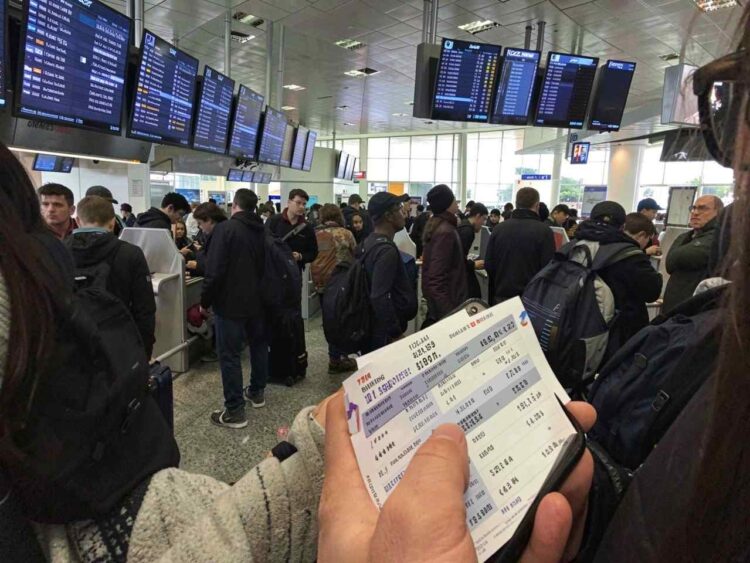
Air France Joins KLM, Air New Zealand, SAS, United Airlines, Delta Air Lines, & Cathay Pacific in Le...
Comprehensive Summarization:
Air France, KLM, Air New Zealand, SAS, United Airlines, Delta Air Lines, and Cathay Pacific are among the major carriers joining forces in response to a significant surge in oil prices, which have pushed jet fuel costs to unprecedented levels, reaching $200 per barrel. This development is causing major disruptions in holiday travel across Europe, New Zealand, the US, and Asia. The article highlights the impact of soaring oil prices on the global airline industry, emphasizing the need for carriers to adjust their fare structures and operational strategies to navigate this challenging economic landscape.
Key Points:
Actionable Takeaways:
Contextual Insights:
The article reflects the current state of the travel industry amidst rising oil prices, a critical factor influencing operational costs and fare structures. The surge in jet fuel prices is a direct consequence of global oil market dynamics, which are influenced by geopolitical tensions, supply chain disruptions, and shifts in consumer demand. This context underscores the importance of adaptability and innovation within the industry. Forward-looking insights suggest that airlines and travel providers must leverage technology and data analytics to optimize their operations and pricing strategies. Additionally, there is a growing emphasis on sustainable practices, with airlines exploring eco-friendly fuel alternatives to mitigate long-term cost pressures and enhance their brand image as environmentally responsible entities. The article also hints at the potential for increased collaboration among airlines to share resources and reduce costs, a trend that could reshape the competitive landscape of the travel sector.
Read the Complete Article.
Get curated travel AI insights — choose the newsletters that matter to you.
ALTOUR Expands into Thailand, Strengthening Corporate Travel Network Across Southeast Asia BANGKOK, THAILAND (25 March, 2026) – ALTOUR, a leading...
Read moreDetails


Comprehensive Summarization: Air France, KLM, Air New Zealand, SAS, United Airlines, Delta Air Lines, and Cathay Pacific are among the...
Read moreDetails