



No products in the cart.
- Latest
- Trending


Comprehensive Summarization:
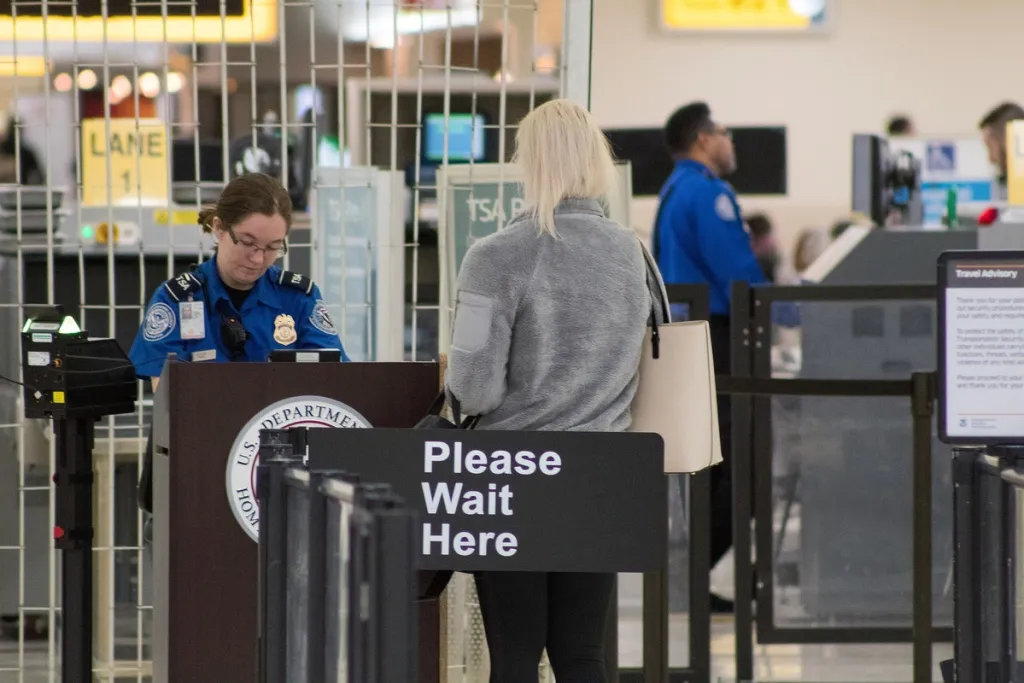
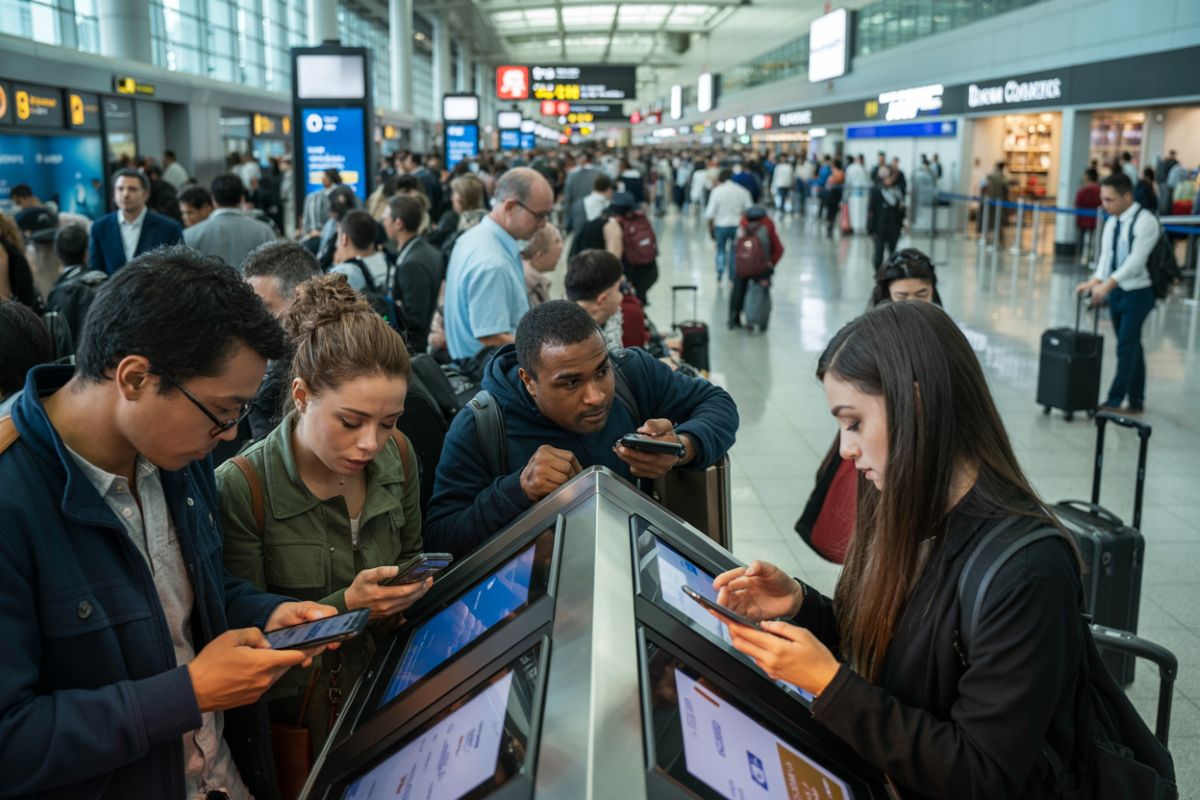
The article reports a significant disruption in air travel operations at Washington D.C.’s major airports, including Ronald Reagan National (DCA), Washington Dulles International (IAD), and Baltimore-Washington International (BWI). This disruption was triggered by a strong chemical smell detected at the Potomac TRACON air traffic control facility, leading to the grounding of flights operated by American Airlines, Delta Air Lines, United Airlines, and Southwest Airlines. The incident has caused massive delays for Canadian, German, and Indian tourists, who were stranded at these airports. The situation has prompted Hilton and Marriott hotels to brace for potential disruptions, indicating a broader impact on the hospitality sector. The article underscores the vulnerability of the travel industry to such operational disruptions and highlights the need for robust contingency plans.
Key Points:
Actionable Takeaways:
Implement Robust Contingency Plans: Airlines and airports should develop and regularly update contingency plans to address potential disruptions caused by facility issues. This includes having backup air traffic control systems and communication protocols to minimize delays and ensure passenger safety.
Enhance Communication with Travelers: Airlines and airports should improve communication strategies to keep passengers informed about delays and disruptions. Real-time updates via mobile apps, social media, and airport displays can help manage traveler expectations and reduce anxiety.
Invest in Air Quality Monitoring Systems: To prevent similar incidents in the future, airports should invest in advanced air quality monitoring systems. These systems can detect chemical smells or other hazardous substances early, allowing for immediate action to protect passengers and crew.
Contextual Insights:
The incident at Washington D.C.’s major airports highlights the critical importance of air traffic control systems and the potential vulnerabilities within them. The grounding of flights due to a chemical smell underscores the need for stringent safety protocols and real-time monitoring capabilities. This event is a stark reminder of the interconnectedness of air travel operations and the potential ripple effects on the broader travel industry, including hotels and tourism-related services. As the travel industry continues to evolve, with increasing reliance on technology and global connectivity, the ability to swiftly respond to and mitigate operational disruptions will be crucial. Forward-looking insights suggest that innovations in air quality monitoring and contingency planning will play a pivotal role in maintaining the resilience of the travel sector against unforeseen challenges.
Read the Complete Article.
Get curated travel AI insights — choose the newsletters that matter to you.
ALTOUR Expands into Thailand, Strengthening Corporate Travel Network Across Southeast Asia BANGKOK, THAILAND (25 March, 2026) – ALTOUR, a leading...
Read moreDetails

Comprehensive Summarization: The article reports a significant disruption in air travel operations at Washington D.C.'s major airports, including Ronald Reagan...
Read moreDetails