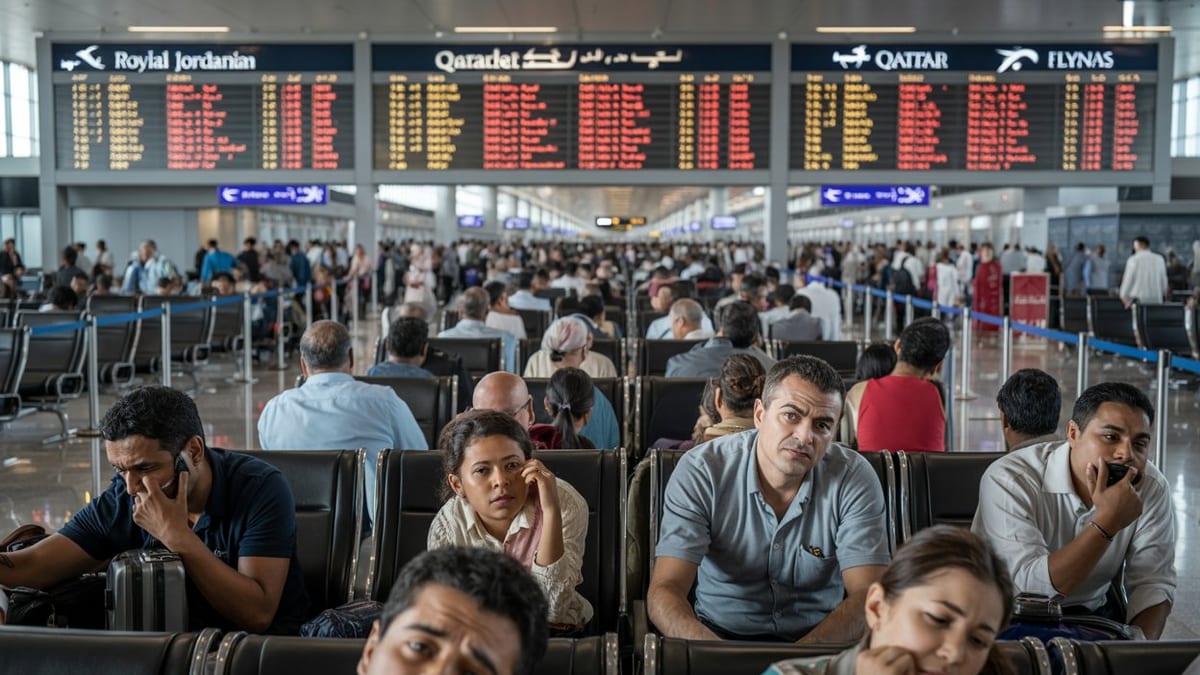
The article reports on a challenging day for air travel across the United States, with 4,722 delays and 307 cancellations impacting major hubs such as Atlanta, Chicago, New York, Houston, Las Vegas, Minneapolis, and Philadelphia. The disruptions affected operations at major airlines including Delta Air Lines, United Airlines, American Airlines, Spirit Airlines, as well as regional carriers. The article emphasizes the operational challenges faced by both major airlines and regional carriers, highlighting the need for improved flight tracking and management systems to mitigate such disruptions.
Key Points:
Significant Delays and Cancellations: The article reports 4,722 flight delays and 307 cancellations across major U.S. hubs, affecting major airlines and regional carriers.
Impact on Major Hubs: The disruptions were widespread, impacting hubs including Atlanta, Chicago, New York, Houston, Las Vegas, Minneapolis, and Philadelphia.
Affected Airlines: Major airlines such as Delta Air Lines, United Airlines, American Airlines, and Spirit Airlines, along with regional carriers, were affected by the delays and cancellations.
Operational Challenges: The article underscores the operational challenges faced by airlines, highlighting the need for enhanced flight tracking and management systems to improve efficiency and reduce disruptions.
Actionable Takeaways:
Enhanced Flight Tracking Systems: Implementing advanced flight tracking and management systems can help airlines better anticipate and mitigate delays and cancellations, improving operational efficiency and passenger satisfaction.
Focus on Regional Carriers: Given the impact on both major and regional carriers, there is an opportunity for airlines to collaborate or invest in regional carriers to ensure smoother operations across the entire travel network.
Invest in Technology: Airlines should continue to invest in technology solutions that enhance real-time data tracking and communication, enabling quicker response to disruptions and minimizing their impact on operations.
Contextual Insights:
The article reflects the ongoing challenges in the U.S. air travel industry, particularly in managing delays and cancellations across major hubs. Recent trends indicate a growing reliance on technology to enhance operational efficiency and passenger experience. Thought leaders emphasize the importance of real-time data and predictive analytics in managing air travel disruptions. The current state of the industry underscores the need for continuous innovation in travel tech to address operational challenges and improve service reliability. The insights provided align with the latest travel trends, highlighting the critical role of technology in shaping the future of air travel.