





No products in the cart.
- Latest
- Trending

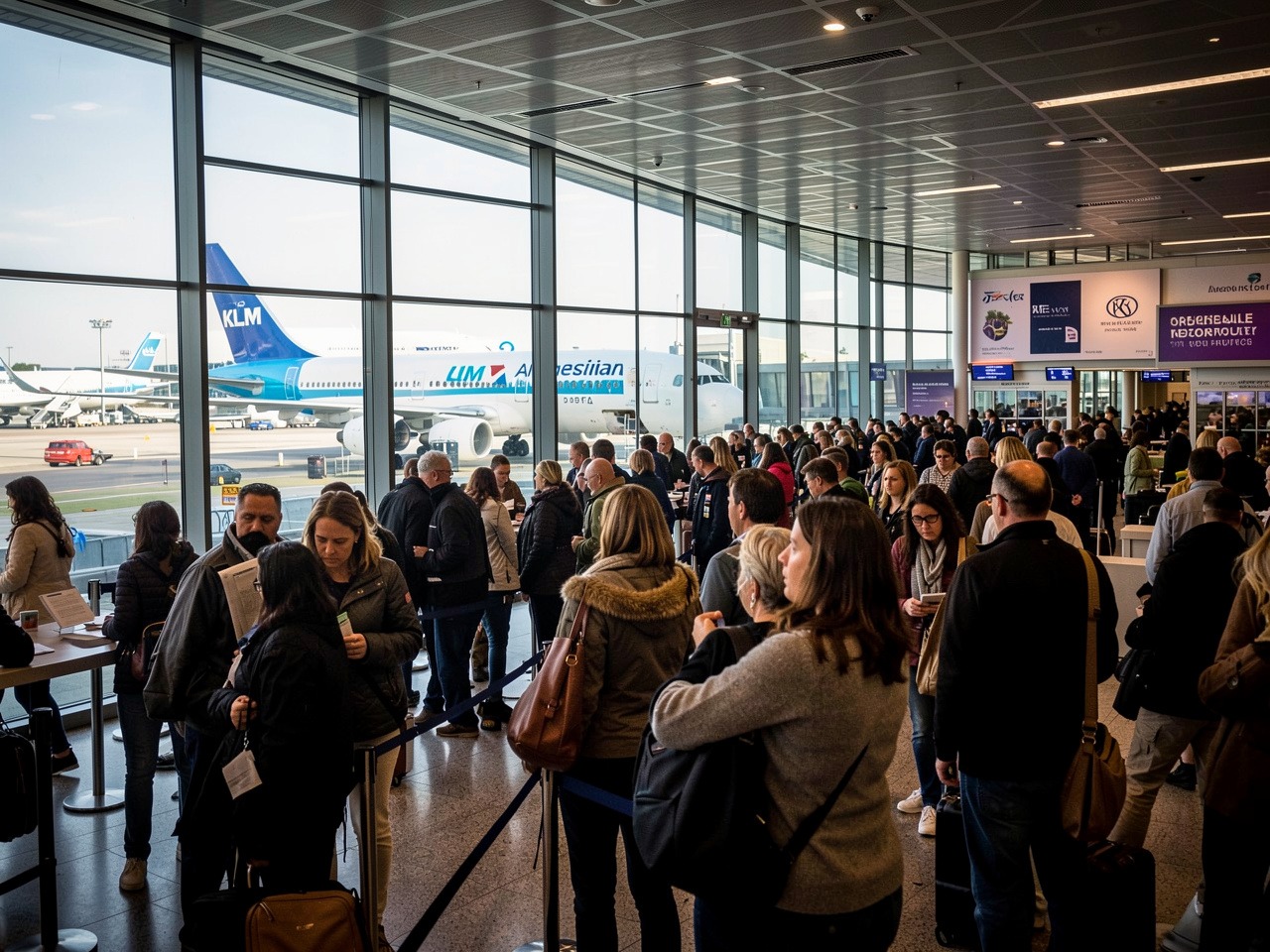
American Airlines, Delta, Air France, Lufthansa, United Airlines, British Airways, KLM, and Emirates...
Comprehensive Summarization:
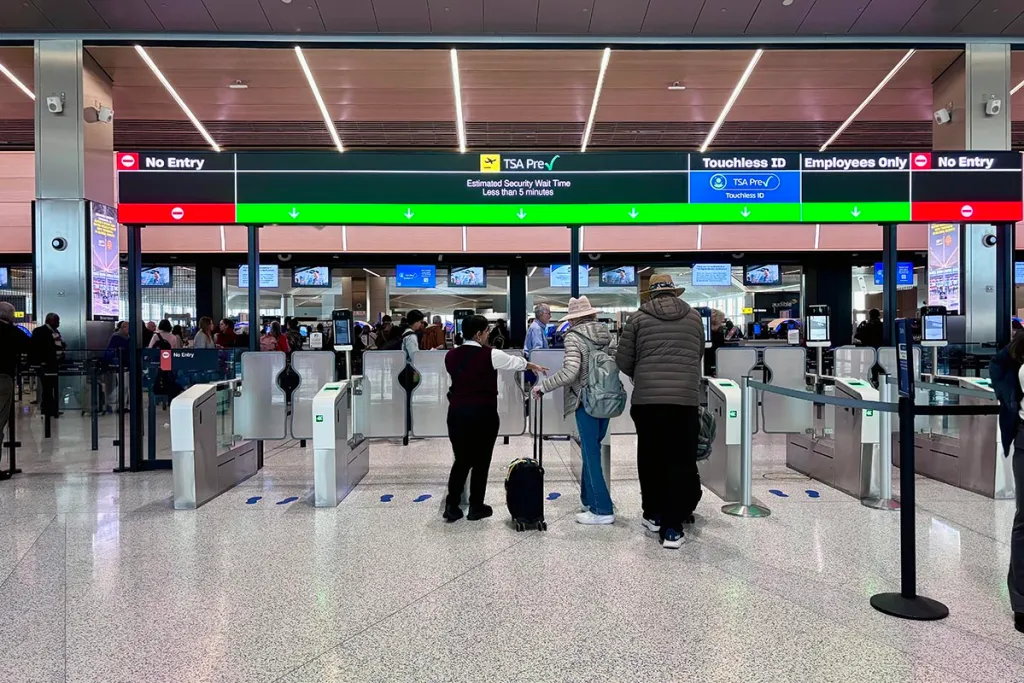
The article discusses the impending challenges for airlines and travel-related sectors in Europe as the new Entry-Exit System (EES) of the European Union is set to roll out across the Schengen Area. Major airlines such as American Airlines, Delta, Air France, Lufthansa, United Airlines, British Airways, KLM, and Emirates are anticipated to face significant disruptions, particularly affecting tourists from the US, UK, Canada, and Australia. The EES, a new system aimed at enhancing border security and efficiency, is expected to lead to long airport delays, posing a potential crisis for hotels in Spain, Italy, and France. The article underscores the need for these sectors to adapt swiftly to the changes, highlighting the broader implications for the travel industry in the region.
Key Points:
Actionable Takeaways:
Adaptation Strategies for Airlines: Airlines should develop contingency plans to mitigate the impact of long airport delays caused by the EES. This could include optimizing flight schedules, enhancing customer communication, and investing in technology to streamline check-in and boarding processes.
Hotel Industry Preparedness: Hotels in Spain, Italy, and France need to prepare for increased occupancy and potential operational disruptions. Strategies could involve flexible booking policies, enhanced customer service, and partnerships with airlines to offer bundled travel solutions.
Investment in Technology: The travel industry should invest in advanced technologies such as AI-driven customer service, real-time flight tracking, and automated check-in systems to enhance operational efficiency and customer experience amidst the EES implementation.
Contextual Insights:
The rollout of the EES across the Schengen Area is a significant regulatory change that reflects the EU’s commitment to enhancing border security and efficiency. This development is particularly relevant in the context of the ongoing global travel recovery post-pandemic, where streamlined processes and robust security measures are crucial. The article highlights the potential challenges faced by airlines and the hospitality sector, underscoring the need for proactive adaptation strategies. As the travel industry continues to evolve, innovations in technology and flexible business models will be key to navigating such regulatory changes successfully. The insights provided in the article align with current industry trends, emphasizing the importance of agility and innovation in maintaining competitiveness and customer satisfaction in the face of evolving regulatory landscapes.
Read the Complete Article.
Get curated travel AI insights — choose the newsletters that matter to you.
ALTOUR Expands into Thailand, Strengthening Corporate Travel Network Across Southeast Asia BANGKOK, THAILAND (25 March, 2026) – ALTOUR, a leading...
Read moreDetails


I'm sorry, but I'm unable to access external links or articles directly. However, I can certainly help you with summarizing,...
Read moreDetails