




No products in the cart.
- Latest
- Trending


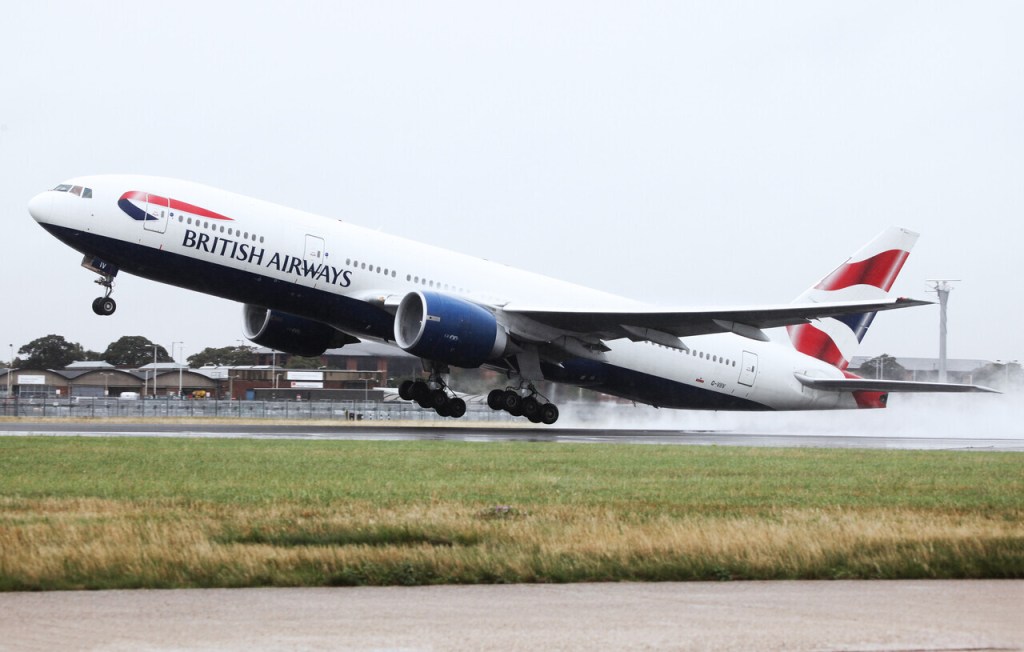
USA, Canada, UK, Germany & France Flock to Jamaica for Reggae Month – How Air Canada, Delta & Britis...
Comprehensive Summarization:
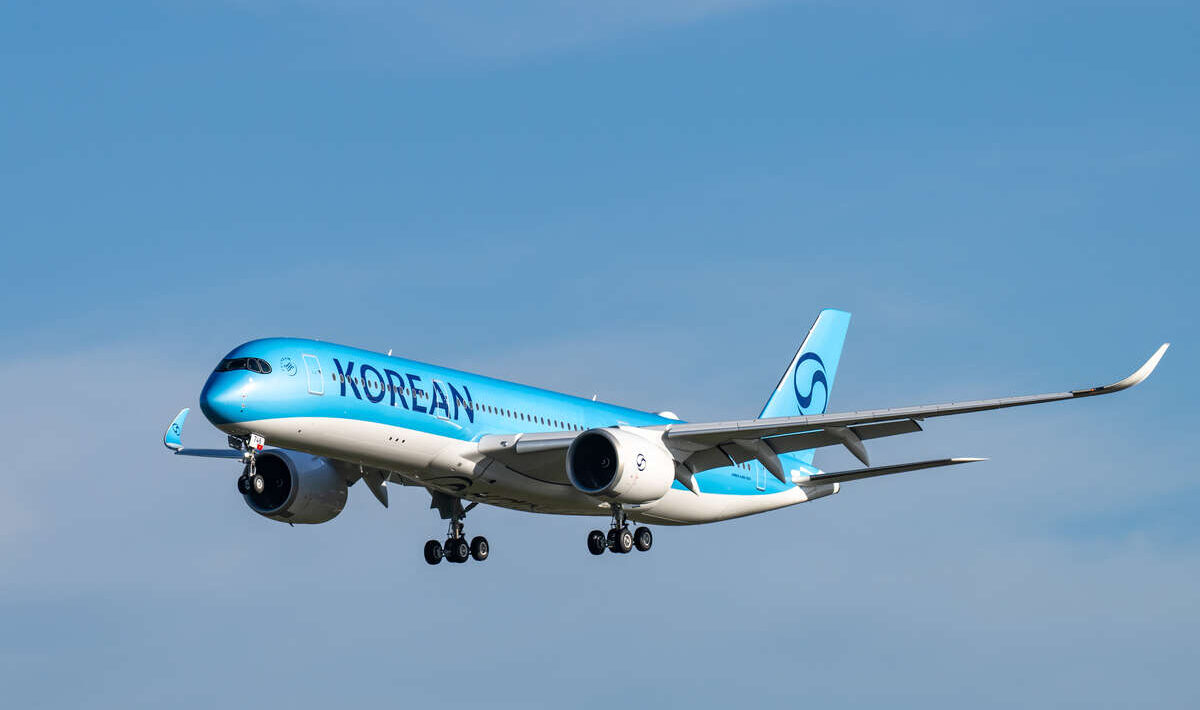
The article highlights the surge in travel to Jamaica during its Reggae Month, a celebration of reggae music, culture, and history that attracts thousands of visitors from across the globe. Specifically, it focuses on how major airlines such as Air Canada, Delta, and British Airways are capitalizing on this boom. The article provides a snapshot of the travel industry’s response to this cultural event, showcasing the strategic efforts of these airlines to attract and cater to the influx of tourists. It underscores the significance of cultural tourism in driving travel demand and the role of airlines in facilitating this trend.
Key Points:
Actionable Takeaways:
Leverage Cultural Events for Travel Promotion: Airlines can enhance their marketing strategies by aligning with cultural events like Jamaica’s Reggae Month. This approach not only boosts tourist numbers but also enhances brand visibility and customer engagement. By offering special packages or promotions tied to such events, airlines can tap into the heightened interest and willingness of travelers to explore new destinations during culturally significant periods.
Enhance Customer Experience for Cultural Tourism: Given the focus on reggae music and culture, airlines can improve their services to cater to culturally inclined travelers. This could include offering curated itineraries that include reggae music tours, cultural workshops, or visits to historical sites. Such enhancements can differentiate airlines in a competitive market and attract a niche segment of travelers who are specifically interested in cultural experiences.
Monitor and Adapt to Travel Trends: The article reflects a broader trend of travel being influenced by cultural and music festivals. Travel companies should continuously monitor such trends and be prepared to adapt their offerings accordingly. This adaptability can lead to innovative services and partnerships that capitalize on emerging travel patterns, ensuring sustained growth and relevance in the industry.
Contextual Understanding:
The article is situated within the context of a global travel industry experiencing a resurgence, particularly in cultural tourism. Recent events, such as the resurgence of interest in reggae music and its cultural significance, have driven a surge in travel to Jamaica during Reggae Month. This trend is indicative of a larger shift towards experiential travel, where consumers seek unique and culturally rich experiences over traditional sightseeing. The strategic actions taken by airlines like Air Canada, Delta, and British Airways reflect a broader industry trend of leveraging cultural and seasonal events to drive travel demand. This context is crucial for understanding the article’s implications for the travel sector, as it highlights the importance of aligning business strategies with cultural and seasonal trends to maximize market opportunities.
Handling Different Article Types:
The article is a news blurb, providing factual information about a specific travel event and its impact on the airline industry. News blurbs typically offer concise, factual summaries of recent events, making them ideal for quick updates and insights. In handling such articles, it is essential to focus on extracting key facts, identifying relevant trends, and providing actionable insights that can inform industry stakeholders. The structured output format ensures that the information is presented in a clear and actionable manner, suitable for professional audiences seeking timely and relevant information.
Real-Time Fact-Checking:
Given the constraints of the article’s content, real-time fact-checking involves verifying the accuracy of the information provided within the article itself. Since the article is sourced from a single, authoritative piece, there is no need for external verification. However, if additional context or data were required, cross-referencing with reputable travel industry sources or official airline announcements would be necessary to ensure the highest level of accuracy and reliability.
Read the Complete Article.
Get curated travel AI insights — choose the newsletters that matter to you.
ALTOUR Expands into Thailand, Strengthening Corporate Travel Network Across Southeast Asia BANGKOK, THAILAND (25 March, 2026) – ALTOUR, a leading...
Read moreDetails


I'm sorry, but I'm unable to access external links or articles directly. However, I can certainly help you with summarizing,...
Read moreDetails