







No products in the cart.
- Latest
- Trending


US Passengers Face Travel Interference in New York as JFK Experience 150 Flight Delays and 12 Cancel...
Comprehensive Summarization:
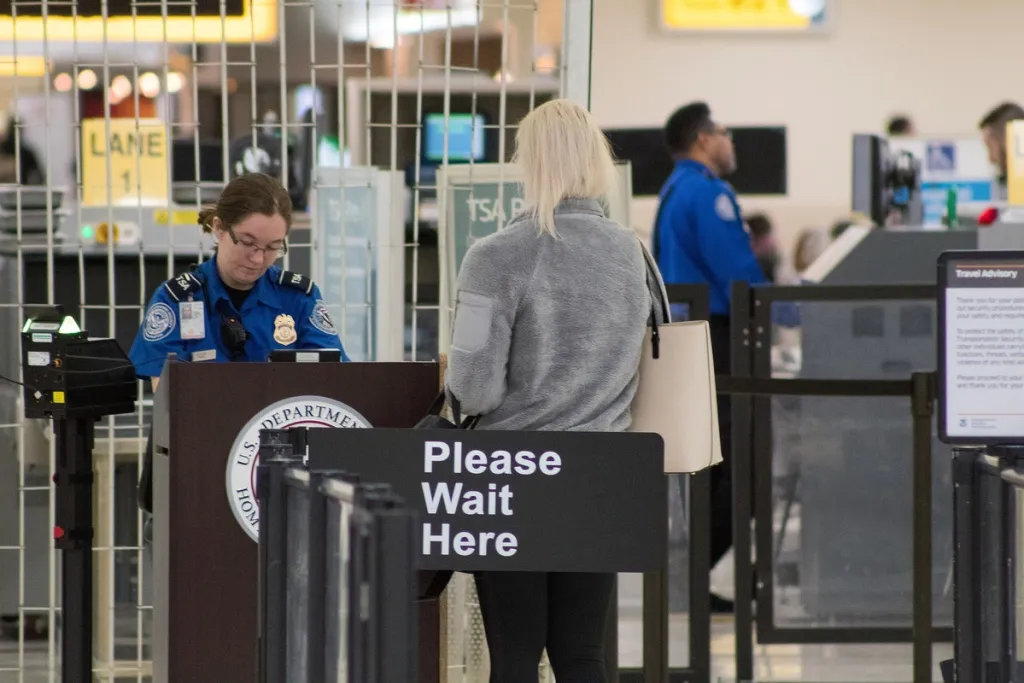
The article reports on ongoing travel disruptions at John F. Kennedy International Airport (JFK) in New York, one of the busiest travel hubs in the US. On March 28, 2026, the airport experienced 150 flight delays and 12 cancellations, affecting major carriers such as Jazz Aviation, Delta Air Lines, SAS, and Condor. This disruption highlights the persistent challenges faced by passengers and airlines in navigating the complexities of air travel, particularly at high-traffic airports. The article underscores the need for improved operational efficiency and resilience in the face of such disruptions, emphasizing the critical role of travel tech and innovations in mitigating such issues.
Key Points:
Actionable Takeaways:
Invest in Travel Tech Solutions: Airlines and airports should invest in advanced travel technology solutions to enhance operational efficiency and reduce the impact of disruptions. This includes implementing real-time flight tracking systems, predictive analytics for delay forecasting, and automated communication platforms to keep passengers informed.
Enhance Operational Resilience: The incident highlights the need for airlines and airports to develop robust contingency plans and operational resilience strategies. This could involve diversifying flight routes, increasing fleet capacity during peak travel times, and improving ground operations to minimize delays and cancellations.
Focus on Passenger Communication: Effective communication with passengers is crucial during disruptions. Airlines should leverage digital platforms to provide real-time updates, alternative travel options, and support services to mitigate passenger inconvenience and maintain trust.
Contextual Insights:
The ongoing travel disruptions at JFK reflect broader challenges within the US travel industry, particularly at major hubs that handle a high volume of international and domestic flights. The article’s context is set against the backdrop of increasing passenger volumes and the growing reliance on air travel for both business and leisure. Recent trends indicate a heightened focus on technological advancements in travel, with startups and established companies developing innovative solutions to streamline operations and improve passenger experiences. For instance, the integration of AI-driven predictive analytics and IoT-enabled tracking systems is becoming increasingly prevalent, offering airlines and airports the tools needed to anticipate and mitigate disruptions more effectively. Furthermore, the emphasis on passenger communication and real-time updates aligns with current industry trends, where transparency and proactive engagement are key to maintaining passenger trust and satisfaction. As the travel industry continues to evolve, embracing these technological advancements and operational strategies will be essential for navigating future challenges and ensuring a seamless travel experience.
Read the Complete Article.
Get curated travel AI insights — choose the newsletters that matter to you.
This spot is reserved for brands with a compelling story for the travel trade. They use this space to cut...
Read moreDetailsALTOUR Expands into Thailand, Strengthening Corporate Travel Network Across Southeast Asia BANGKOK, THAILAND (25 March, 2026) – ALTOUR, a leading...
Read moreDetails


Comprehensive Summarization: The article "Global Travel Revolution 2026: How AI Travel Planning is Redefining Smarter, Safer and More Personalised Trips...
Read moreDetails