





No products in the cart.
- Latest
- Trending


Air France And KLM Joins Lufthansa, Air Canada, United, Emirates, British Airways, Turkish, And More...
Comprehensive Summarization:
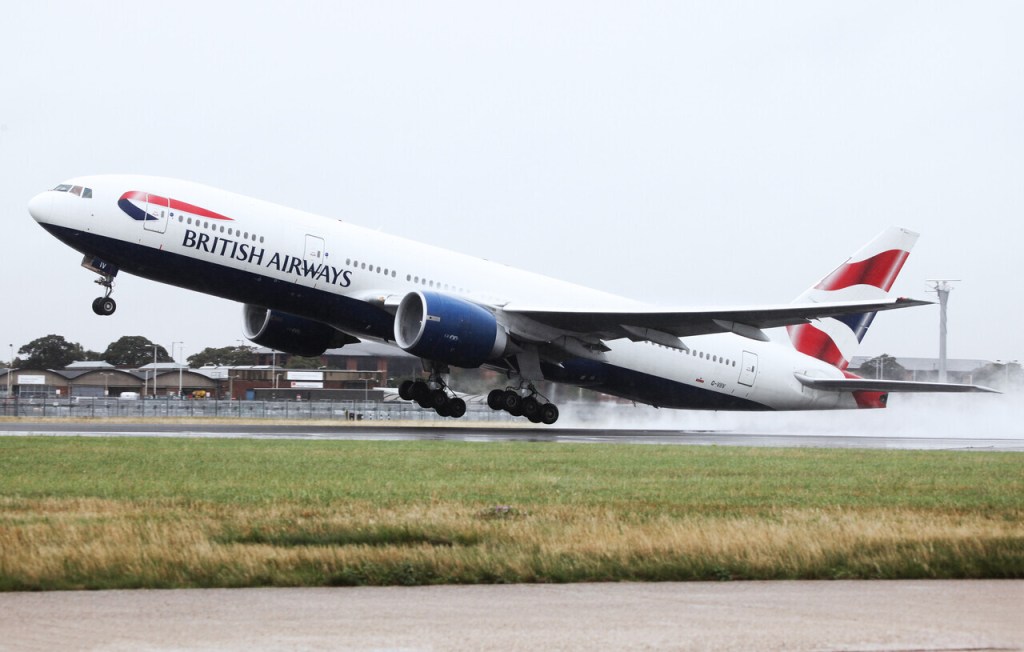
Air France, KLM, Lufthansa, Air Canada, United, Emirates, British Airways, Turkish Airlines, and other major carriers have suspended flights to Iran, Saudi Arabia, the UAE, Qatar, and Israel due to escalating security risks in the region. This decision follows growing security warnings and is part of a broader trend of airlines responding to heightened geopolitical tensions and security concerns in the Middle East. The article highlights the impact of these cancellations on travel plans and the broader implications for the travel industry, particularly in terms of safety, security, and operational adjustments.
Key Points:
Actionable Takeaways:
Reassess Travel Plans: Travelers should review their itineraries and consider alternative routes or destinations that are not affected by the current security warnings. This proactive step can help mitigate disruptions and ensure safety.
Enhance Security Protocols: Airlines and travel agencies should enhance their security protocols and communication strategies to keep passengers informed about any changes or cancellations. Transparent communication is crucial in maintaining trust and ensuring passenger safety.
Monitor Geopolitical Developments: The travel industry should closely monitor geopolitical developments and security warnings in the Middle East. Staying informed can help airlines and travel companies make timely decisions regarding flight operations and customer service.
Contextual Insights:
The decision by major airlines to suspend flights to certain regions in the Middle East underscores the ongoing challenges faced by the travel industry in navigating geopolitical tensions and security threats. This trend is part of a larger shift towards heightened security measures and operational adjustments in response to global events. As the industry continues to evolve, there is a growing emphasis on leveraging technology and data analytics to enhance safety, streamline operations, and improve customer communication. Thought leaders in the travel sector are increasingly focusing on innovations such as AI-driven risk assessment tools, real-time travel advisories, and enhanced cybersecurity measures to address these challenges. The current situation highlights the importance of adaptability and proactive risk management in maintaining the resilience and competitiveness of the travel industry.
Read the Complete Article.
Get curated travel AI insights — choose the newsletters that matter to you.
ALTOUR Expands into Thailand, Strengthening Corporate Travel Network Across Southeast Asia BANGKOK, THAILAND (25 March, 2026) – ALTOUR, a leading...
Read moreDetails


Mumbai, India — August 14, 2023 In short: EaseMyTrip integrates ChatGPT for conversational travel discovery and booking. EaseMyTrip + ChatGPT...
Read moreDetails