







No products in the cart.
- Latest
- Trending

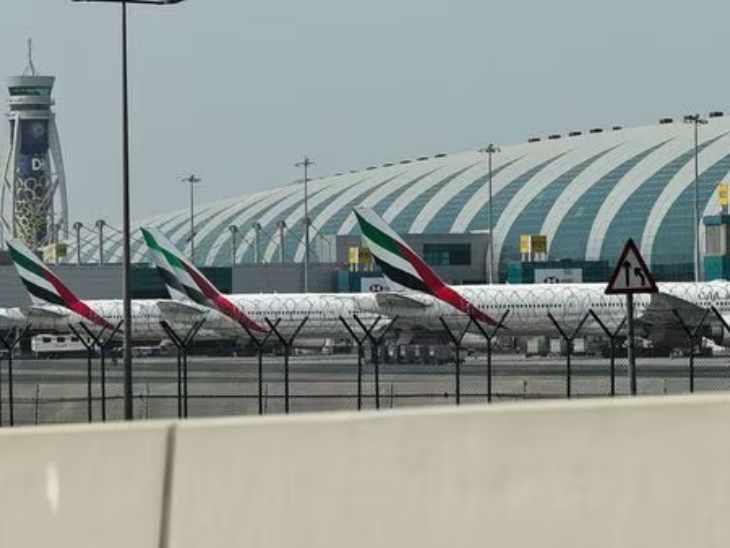
Air India, IndiGo & Emirates Full Refunds
Comprehensive Summarization:
The article discusses the significant impact of rising tensions between Iran and Israel on air travel in the Middle East. As a result of heightened tensions, numerous flights to key cities such as Dubai, Abu Dhabi, Doha, and Manama have been cancelled, with 357 flights cancelled alone on Tuesday. Major airlines including Air India, IndiGo, Emirates, and Etihad have responded to passenger inconvenience by offering full refunds on cancelled tickets and providing free flight rescheduling options. The Ministry of Civil Aviation (MoCA) is actively monitoring the situation to manage the ongoing impact on air travel in the region.
Key Points:
Actionable Takeaways:
Refund and Rescheduling Policies: Airlines offering full refunds and free rescheduling options demonstrate a proactive approach to managing passenger inconvenience during crises. This strategy not only helps in retaining customer loyalty but also positions the airline favorably in the market during turbulent times. It is a practical measure that can be adopted by other airlines facing similar disruptions.
Continuous Monitoring by Regulatory Bodies: The active monitoring of the situation by the Ministry of Civil Aviation (MoCA) ensures that regulatory compliance and safety standards are maintained amidst the crisis. This proactive approach by regulatory bodies can help in managing public trust and ensuring smooth recovery post-crisis. It highlights the importance of regulatory bodies in maintaining order and stability in the travel industry during turbulent periods.
Contextual Insights:
The article reflects the current volatility in the travel industry, particularly in regions experiencing geopolitical tensions. The cancellation of flights and the subsequent response from airlines highlight the sector’s vulnerability to geopolitical events. This situation underscores the need for airlines to have robust contingency plans in place to manage crises effectively. Furthermore, the focus on passenger refunds and rescheduling indicates a shift towards customer-centric strategies in crisis management. Looking forward, this scenario emphasizes the importance of technological integration in travel tech to facilitate seamless rescheduling and communication with passengers. The article also points towards the potential for innovation in travel fintech, as airlines navigate the financial implications of flight cancellations and refunds. Overall, the article provides a snapshot of the current challenges and responses within the travel industry, offering valuable insights for stakeholders to navigate similar situations in the future.
Read the Complete Article.
Get curated travel AI insights — choose the newsletters that matter to you.
ALTOUR Expands into Thailand, Strengthening Corporate Travel Network Across Southeast Asia BANGKOK, THAILAND (25 March, 2026) – ALTOUR, a leading...
Read moreDetails


Comprehensive Summarization: The World Travel & Tourism Council (WTTC) has released a report titled "Travel & Tourism in Hong Kong...
Read moreDetails