







No products in the cart.
- Latest
- Trending

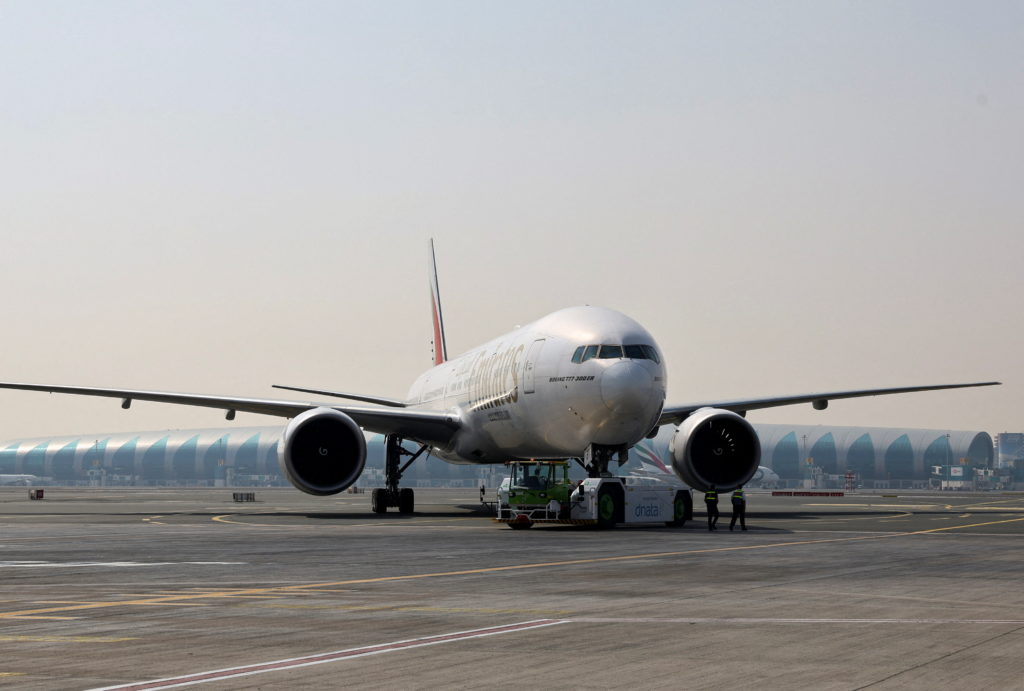
U.S.–Israel attack on Iran leaves hundreds of thousands of travelers stranded by flight disruptions
Comprehensive Summarization:
The article reports on the significant disruption caused by an attack on Iran by America and Israel, which led to the closure of airspace and key airports in several Middle Eastern countries including Israel, Qatar, Syria, Iran, Iraq, Kuwait, and Bahrain. This action resulted in hundreds of thousands of travelers being stranded or diverted to other airports, causing significant disruptions to flights across the Middle East and beyond. The closures affected routes connecting Europe, Africa, and the West to Asia, highlighting the extensive impact on international travel and logistics in the region.
Key Points:
Actionable Takeaways:
Enhanced Travel Insurance and Contingency Planning: Given the potential for sudden disruptions due to geopolitical events, travel companies should consider enhancing their travel insurance offerings to include coverage for trip cancellations or delays caused by airspace closures. This proactive measure can mitigate financial losses for travelers and enhance customer trust.
Investment in Alternative Transportation Routes: The article underscores the vulnerability of air travel to geopolitical events. Travel companies and logistics providers may benefit from investing in alternative transportation routes, such as rail or sea freight, to ensure continuity of supply chains and passenger movement in regions prone to such disruptions.
Strengthening Cybersecurity Measures in Travel Tech: The reliance on digital systems for flight tracking, passenger management, and airport operations underscores the importance of robust cybersecurity measures. Travel tech companies should prioritize investments in cybersecurity to protect against disruptions caused by cyberattacks, ensuring the resilience of travel infrastructure.
Contextual Insights:
The article’s context is deeply rooted in the current geopolitical tensions between America, Israel, and Iran, which have led to significant disruptions in air travel across the Middle East and beyond. This event is a stark reminder of the interconnectedness of global travel networks and the potential vulnerabilities that arise from geopolitical conflicts. In the context of recent travel trends, there is an increasing emphasis on resilience and adaptability within the travel industry. Thought leaders have highlighted the need for travel companies to adopt flexible booking policies, invest in alternative transportation options, and enhance cybersecurity measures to mitigate risks associated with such disruptions. The article aligns with these trends by illustrating the immediate impact of geopolitical events on travel logistics and the broader industry’s response to such challenges. As the travel industry continues to evolve, the ability to adapt to unforeseen disruptions will be crucial in maintaining operational continuity and ensuring customer satisfaction.
Read the Complete Article.
Get curated travel AI insights — choose the newsletters that matter to you.
ALTOUR Expands into Thailand, Strengthening Corporate Travel Network Across Southeast Asia BANGKOK, THAILAND (25 March, 2026) – ALTOUR, a leading...
Read moreDetails


Comprehensive Summarization: The article highlights the recent opening of Haa Valley, a remote Himalayan sanctuary, to international travelers after decades...
Read moreDetails