Article Summary:
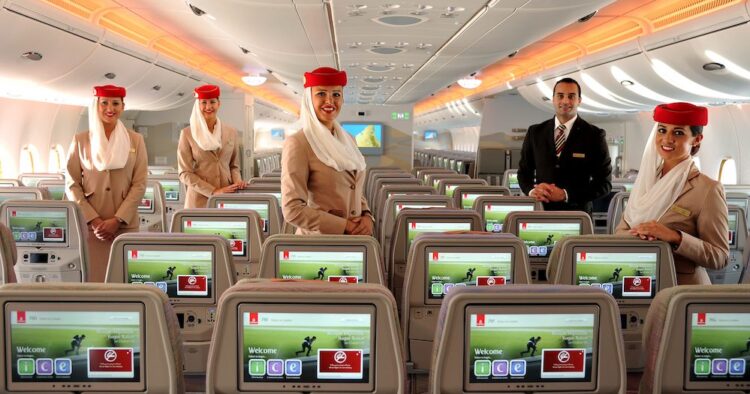
Emirates, a Dubai-based airline, is set to enhance inflight connectivity for its passengers by launching the world’s first Starlink-equipped Airbus A380. This upgrade is part of a broader strategy to establish the largest fleet of Starlink-enabled international wide-body aircraft. The airline plans to roll out the high-speed service across 232 Boeing 777 and A380 aircraft, with installation expected to be completed by mid-2027. This move signifies a significant advancement in travel technology, aiming to provide passengers with superior connectivity during their flights.
Key Points:
Emirates will introduce Starlink-equipped Airbus A380 aircraft, starting this month, across 232 Boeing 777 and A380 aircraft.
The high-speed service is expected to be fully operational by mid-2027.
This upgrade is part of Emirates’ strategy to build the largest Starlink-enabled international wide-body fleet.
The airline aims to provide passengers with superior connectivity during their flights.
Actionable Takeaways:
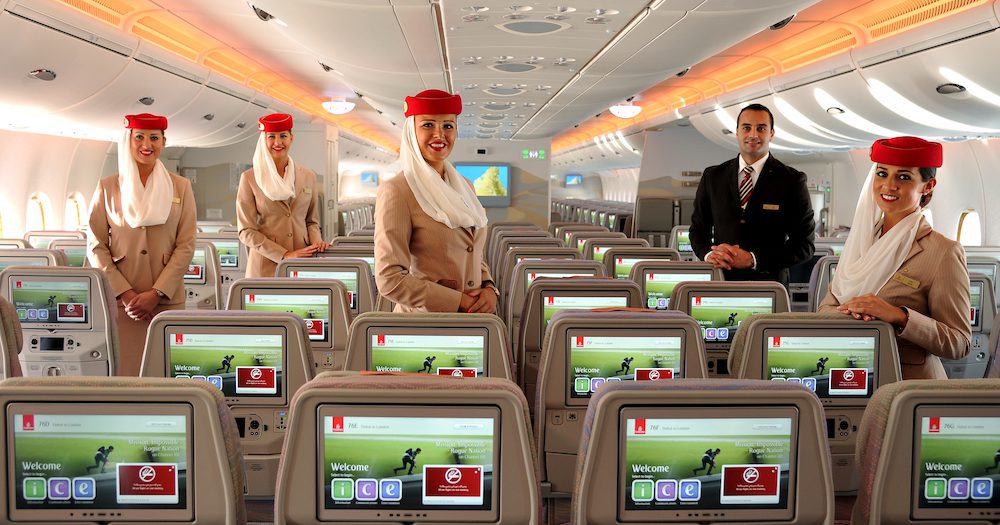
Enhanced Passenger Experience: The introduction of Starlink-equipped aircraft will significantly improve inflight connectivity, offering passengers faster and more reliable internet access. This enhancement is crucial for modern travelers who rely on connectivity for work, entertainment, and communication during their journeys. By meeting these expectations, Emirates can enhance passenger satisfaction and loyalty.
Market Leadership in Travel Tech: By becoming the first airline to deploy Starlink technology on such a large scale, Emirates is positioning itself as a leader in travel technology. This move can set industry standards and encourage other airlines to invest in advanced connectivity solutions. As a result, Emirates may gain a competitive edge in attracting tech-savvy travelers and business clients who prioritize connectivity.
Strategic Investment in Future-Proofing: The plan to build the largest Starlink-enabled fleet demonstrates Emirates’ commitment to future-proofing its operations. As the demand for high-speed internet connectivity in the air continues to grow, this investment positions Emirates to stay ahead of technological advancements and meet evolving customer expectations. This strategic foresight can yield long-term benefits, including increased market share and brand reputation as an innovator in the travel industry.
Contextual Insights:
The rollout of Starlink-equipped aircraft by Emirates reflects a broader trend in the travel industry towards integrating advanced technology to enhance passenger experiences. Recent developments in satellite internet technology, such as Starlink, have made it increasingly feasible for airlines to offer high-speed connectivity across long-haul flights. This aligns with the growing demand from travelers for reliable internet access during their journeys, particularly for business travelers who need to stay connected for work.
Moreover, this initiative is part of a larger industry shift towards digital transformation, where airlines are leveraging technology to improve operational efficiency and customer satisfaction. Thought leaders in the travel sector emphasize the importance of innovation in maintaining competitive advantage. By investing in cutting-edge technologies like Starlink, Emirates is not only addressing current market demands but also setting a precedent for future innovations in travel tech.
In conclusion, Emirates’ strategic move to equip its fleet with Starlink technology represents a significant step forward in the integration of advanced travel technologies. This development is poised to enhance passenger experiences, establish Emirates as a leader in travel tech, and underscore the industry’s commitment to future-proofing its operations.
Comprehensive Summarization: Abu Dhabi's tourism sector experienced a record-breaking year in 2025, welcoming 26.6 million visitors. This surge in international...