Article Summary:
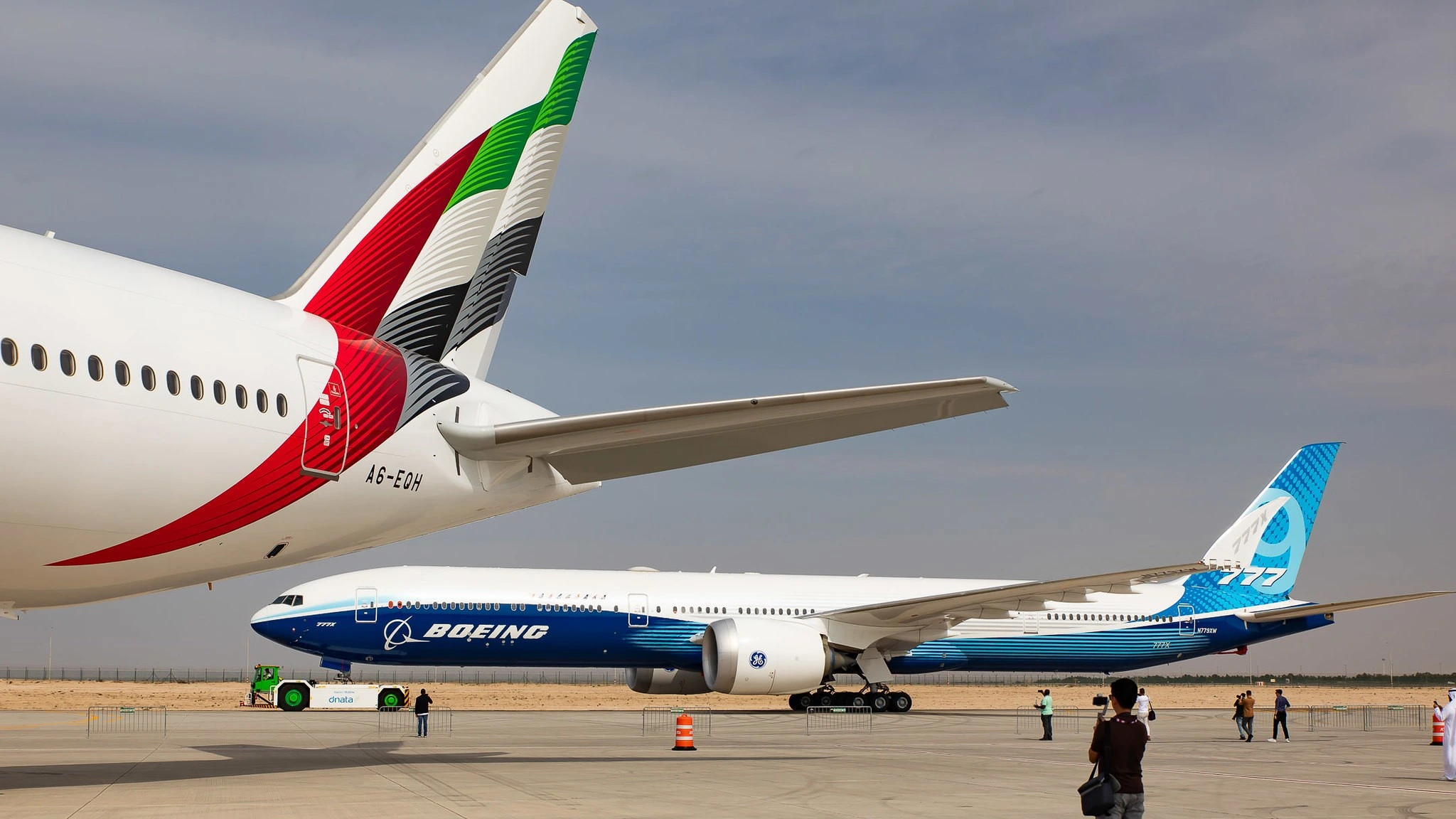
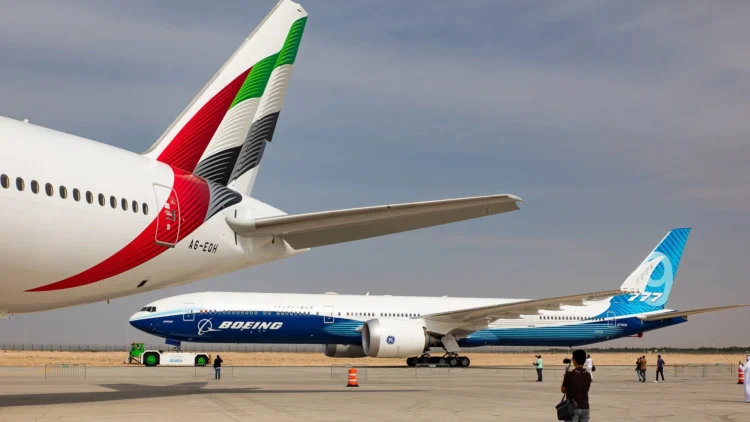
Emirates Airline (EK) has announced the scrapping of the original Boeing 777X business class seats, incurring a cost of approximately €20–30 million. This decision is attributed to significant delays in the aircraft’s development. Originally scheduled for delivery in 2020, Emirates now anticipates handovers to commence in 2027, a seven-year delay that has necessitated a reevaluation of its cabin strategy. The Gulf carrier, based at Dubai International Airport (DXB), faces the challenge of adapting to these delays while maintaining its competitive edge in the travel industry.
Key Points:
Emirates Airline has scrapped the original Boeing 777X business class seats due to long delays in the aircraft’s development, resulting in a cost of about €20–30 million.
The airline initially planned to take delivery of its first Boeing 777-9 in 2020 but now expects handovers to begin in 2027, a seven-year delay.
The delay has prompted Emirates to rethink its cabin strategy, reflecting broader industry challenges in aligning with technological advancements and market demands.
Actionable Takeaways:
Strategic Reevaluation in Cabin Design: Emirates’ decision to scrap the original Boeing 777X business class seats underscores the importance of flexibility in cabin design in response to technological delays. Airlines should maintain a flexible approach to cabin configurations to adapt to unforeseen delays in aircraft development, ensuring they can meet evolving passenger expectations and market demands.
Investment in Alternative Cabin Technologies: The delay highlights the need for airlines to invest in alternative cabin technologies and innovations. This could include exploring new seating arrangements, enhanced in-flight entertainment systems, or improved sustainability features to maintain competitive advantage and passenger satisfaction.
Market Adaptation and Consumer Expectations: The seven-year delay emphasizes the critical role of market adaptation in the travel industry. Airlines must closely monitor technological advancements and consumer expectations to adjust their strategies proactively. This includes investing in research and development to stay ahead of industry trends and ensure that cabin offerings align with future passenger needs.
Contextual Insights:
The scrapping of the original Boeing 777X business class seats by Emirates Airline is a reflection of the broader challenges faced by the aviation industry in aligning with rapid technological advancements and market demands. The seven-year delay in the aircraft’s development has forced Emirates to reconsider its cabin strategy, a move that underscores the importance of flexibility and adaptability in the travel sector. This situation highlights the need for airlines to invest in alternative cabin technologies and innovations to maintain competitiveness and meet evolving passenger expectations. As the industry continues to evolve, thought leaders emphasize the importance of proactive market adaptation and strategic investment in emerging technologies to ensure long-term success.