Article Summary:
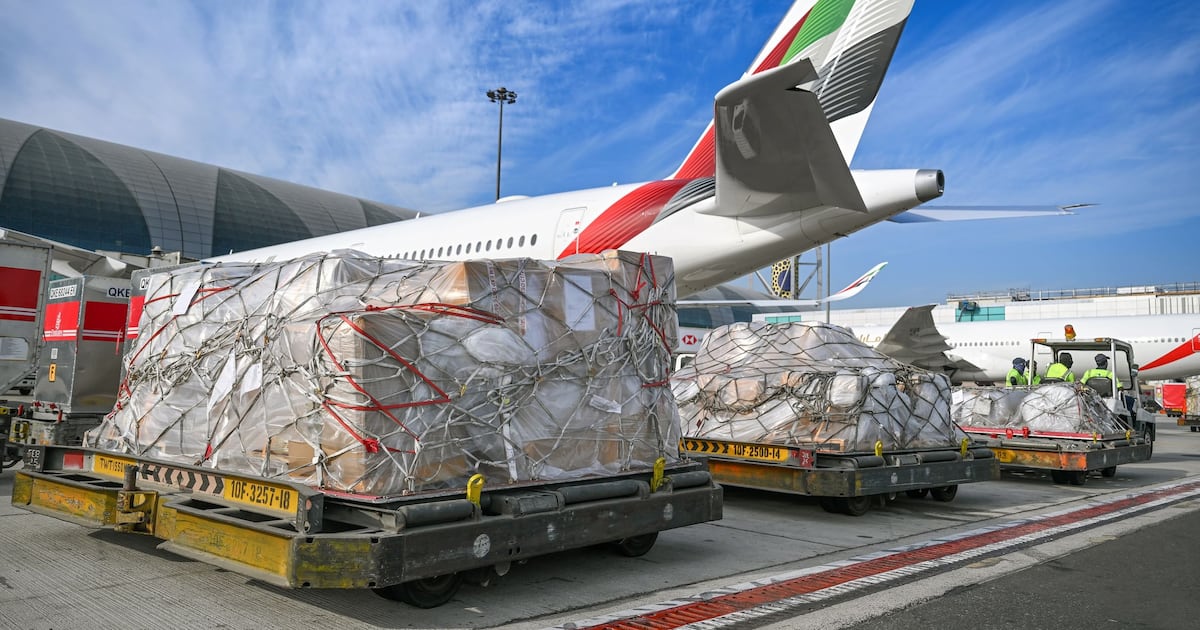
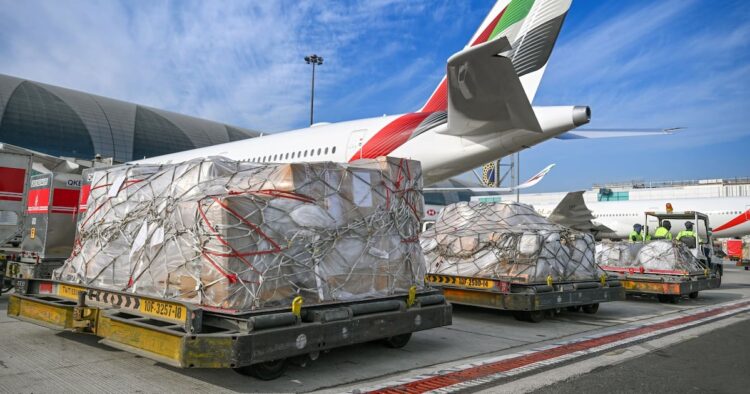
Emirates airline has partnered with Dubai Humanitarian to utilize its passenger flights to deliver urgent aid to Sri Lanka over the next two weeks. This initiative is part of the response to the devastating effects of Cyclone Ditwah, which struck the country last month, causing widespread flooding, landslides, and resulting in over 600 deaths. Emirates will provide over 100 tonnes of cargo space free of charge across its daily flights to the affected areas, enabling the delivery of crucial supplies to those in need.
Key Points:
Emirates airline is partnering with Dubai Humanitarian to deliver aid to Sri Lanka via its flights.
The airline will provide more than 100 tonnes of cargo space free of charge for the delivery of supplies.
The aid delivery is in response to Cyclone Ditwah, which caused significant damage and loss of life in Sri Lanka.
The partnership aims to help Dubai Humanitarian deliver crucial supplies to areas severely affected by the cyclone.
Actionable Takeaways:
Enhanced Disaster Relief Logistics: The collaboration between Emirates and Dubai Humanitarian demonstrates how airlines can leverage their extensive flight networks to support disaster relief efforts. This approach can be adopted by other airlines to improve their disaster response capabilities, potentially setting a new standard for humanitarian logistics in the travel industry.
Strategic Cargo Space Allocation: Emirates’ decision to offer free cargo space underscores the importance of strategic resource allocation in crisis management. Other airlines and logistics providers could consider similar initiatives to maximize their contributions to humanitarian efforts, thereby enhancing their corporate social responsibility profiles.
Impact on Travel Industry Trends: This initiative highlights the growing intersection of travel and humanitarian aid, suggesting a trend towards airlines playing a more active role in global disaster response. This could lead to increased partnerships between travel companies and humanitarian organizations, fostering a more integrated approach to addressing global crises.
Contextual Insights:
The article reflects the current emphasis on leveraging travel industry resources for humanitarian purposes, a trend that aligns with the increasing recognition of the travel sector’s potential to contribute to global welfare. As highlighted by thought leaders in the travel industry, the ability of airlines to rapidly mobilize resources across vast networks offers a unique advantage in crisis situations. This aligns with emerging trends where travel companies are increasingly adopting roles beyond mere transportation, extending into areas such as disaster relief, community development, and social impact. The partnership between Emirates and Dubai Humanitarian not only showcases the logistical capabilities of the airline industry but also sets a precedent for future collaborations aimed at mitigating the impacts of natural disasters and other global emergencies.