




No products in the cart.
- Latest
- Trending

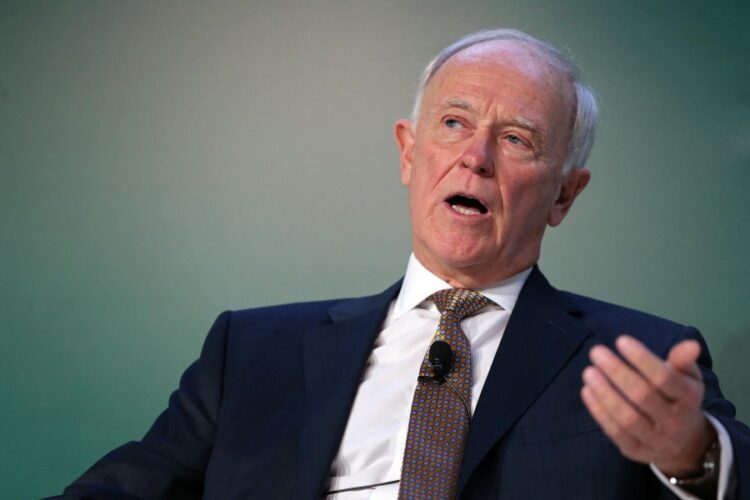
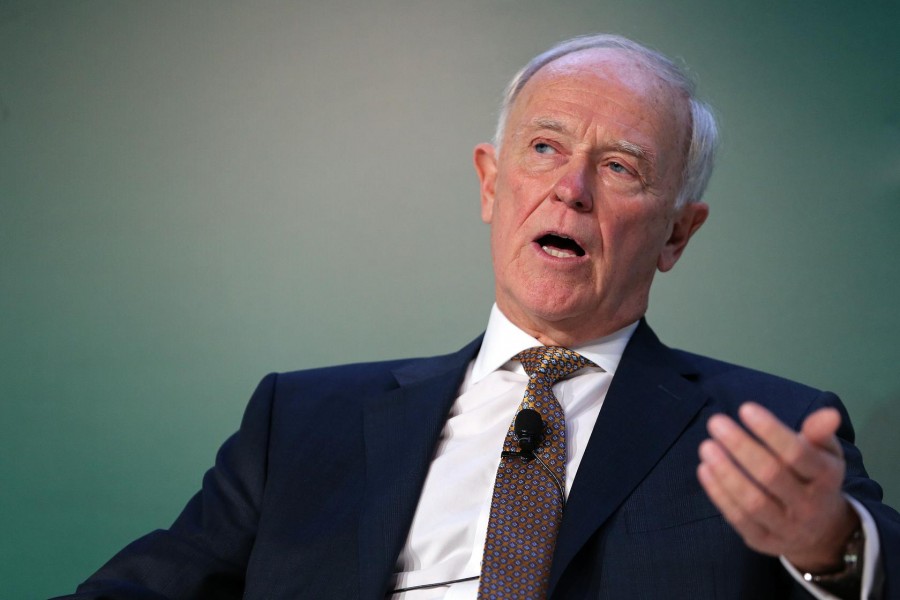
FILE PHOTO: Emirates Airline President Tim Clark speaks at the Arabian Travel Market in Dubai, UAE April 29, 2019. REUTERS/Satish Kumar
Comprehensive Summarization:
Tim Clark, who served as the president of Emirates Airline for over three decades, announced his retirement at the end of June 2020. This significant milestone comes as Emirates continues to play a pivotal role in transforming Dubai into a major travel hub. In an internal memo reviewed by Reuters, Emirates Chairman Sheikh Ahmed bin Saeed al-Maktoum stated that Clark would remain with the company as an adviser. The article highlights the resilience of Emirates Airline, noting its ability to navigate through various challenges such as wars, economic recessions, natural disasters, and industry disruptions. This summary captures the main theme of leadership transition at Emirates Airline, the company’s enduring impact on Dubai’s travel landscape, and the broader context of the travel industry’s resilience.
Key Points:
Actionable Takeaways:
Leadership Transition and Stability: The retirement of Tim Clark and his transition to an advisory role signal a period of potential stability and continuity at Emirates Airline. This move could be crucial for maintaining the company’s strategic direction and operational excellence during a time of global uncertainty. It underscores the importance of experienced leadership in navigating the complexities of the travel industry, especially in maintaining service quality and customer satisfaction amidst external challenges.
Emirates’ Role in Dubai’s Travel Evolution: The article underscores Emirates Airline’s instrumental role in Dubai’s transformation into a global travel hub. This position highlights the airline’s strategic importance in the region’s economic development and its potential to influence future travel trends. As Emirates continues to adapt and innovate, it may set benchmarks for other airlines in leveraging technology and customer-centric services to maintain a competitive edge in the evolving travel landscape.
Contextual Insights:
The retirement of Tim Clark and his subsequent advisory role at Emirates Airline reflect a broader trend within the travel industry of experienced leaders transitioning to advisory capacities. This shift often signifies a period of consolidation and strategic planning, allowing for the integration of new leadership while leveraging the accumulated wisdom and relationships of seasoned executives. In the context of current travel trends, such as the increasing emphasis on digital transformation and customer experience, Emirates’ continued leadership could play a pivotal role in shaping future industry standards. The airline’s ability to adapt to disruptions, as evidenced by its long-standing presence despite global challenges, positions it well to influence innovations in travel tech, fintech, and other emerging sectors. As the industry moves towards more sustainable and customer-focused models, Emirates’ legacy of resilience and adaptability may serve as a guiding light for other stakeholders in the sector.
Read the Complete Article.
Get curated travel AI insights — choose the newsletters that matter to you.
ALTOUR Expands into Thailand, Strengthening Corporate Travel Network Across Southeast Asia BANGKOK, THAILAND (25 March, 2026) – ALTOUR, a leading...
Read moreDetails


Comprehensive Summarization: Wizz Air, an ultra-low-cost carrier, has announced the launch of a direct route from London Gatwick to Valencia,...
Read moreDetails