





No products in the cart.
- Latest
- Trending

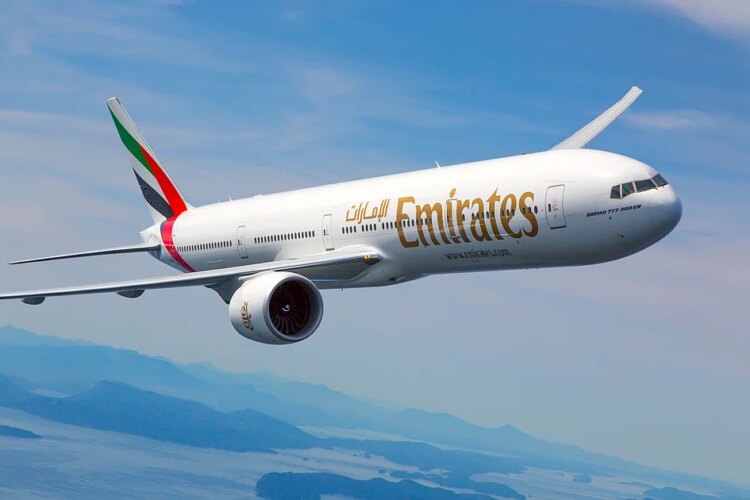
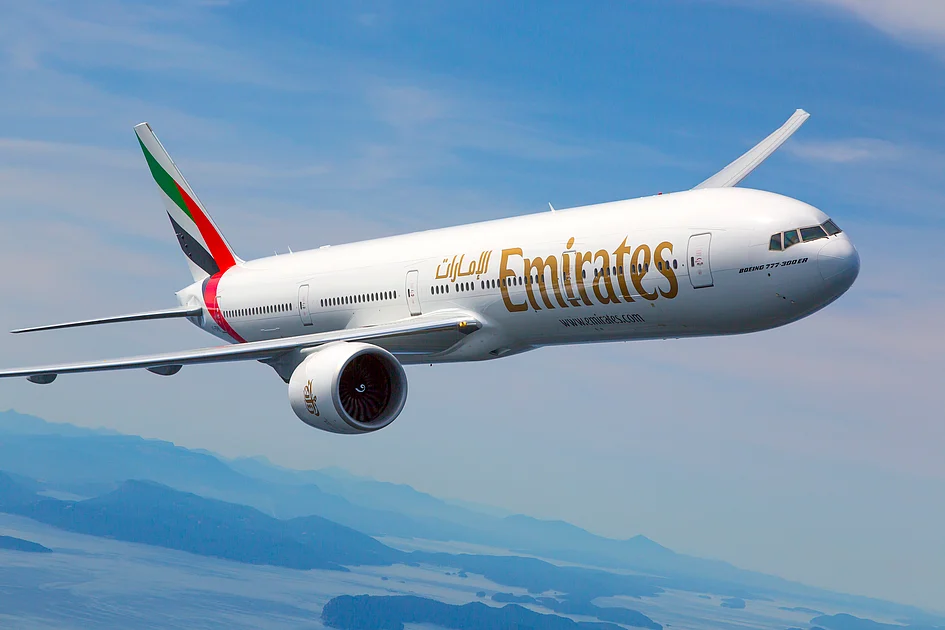
Emirates airline announces ‘reduced flight schedule’
Comprehensive Summarization:
The article reports that Dubai’s Emirates airline has announced a reduced flight schedule due to airspace restrictions caused by Israeli and US strikes on Iran. This decision follows the partial re-opening of regional airspace, allowing Emirates to operate a limited number of flights until further notice. The partial re-opening aims to facilitate safe travel amid the ongoing regional conflict. The article also touches on broader travel trends and insights from thought leaders, highlighting the impact of geopolitical events on the travel industry.
Key Points:
Actionable Takeaways:
Flight Scheduling Adjustments: Airlines must remain flexible and responsive to geopolitical developments by adjusting flight schedules. This adaptability is crucial for maintaining operational continuity and ensuring passenger safety in volatile regions.
Focus on Safety Protocols: Given the heightened tensions, airlines should prioritize safety protocols and transparent communication with passengers. This includes clear updates on flight statuses and any changes to travel advisories, fostering trust and confidence among travelers.
Leverage Technology for Real-Time Updates: The travel industry can benefit from advanced technology solutions that provide real-time updates on flight statuses and travel advisories. Implementing robust communication systems can help airlines keep passengers informed and manage expectations during uncertain times.
Contextual Insights:
The reduction in flight schedules by Emirates is a direct response to the geopolitical tensions between Israel and Iran, which have led to airspace restrictions in the region. This situation underscores the vulnerability of the travel industry to external geopolitical factors. As such, the article highlights the importance of adaptability and resilience in travel operations. The broader insights provided by thought leaders suggest that geopolitical events can significantly impact travel demand and operational strategies. Therefore, industry stakeholders should consider integrating real-time data analytics and predictive modeling to anticipate and mitigate the effects of such events on travel demand and operational efficiency. Additionally, the article emphasizes the need for innovative solutions in travel tech, such as enhanced communication platforms and flexible booking systems, to support airlines in navigating these challenging conditions.
Read the Complete Article.
Get curated travel AI insights — choose the newsletters that matter to you.
ALTOUR Expands into Thailand, Strengthening Corporate Travel Network Across Southeast Asia BANGKOK, THAILAND (25 March, 2026) – ALTOUR, a leading...
Read moreDetails


Comprehensive Summarization: United Airlines experienced significant travel disruptions across the United States, with 44 flights canceled and 835 delayed. This...
Read moreDetails