




















Travel Capitalist Ventures Expands Check Size to $10 Million to Deepen Emerging Market Conviction
Boutique Travel VC raises investment cap from $1.5M to $10M to lead rounds and support portfolio companies through growth Travel...
Read moreDetails
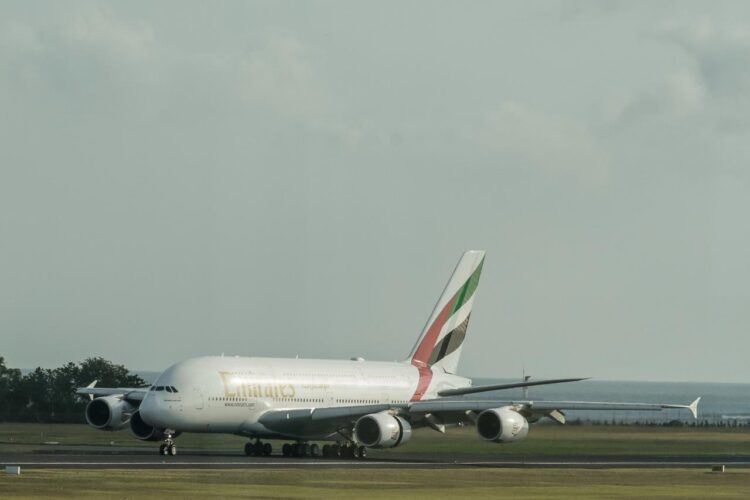
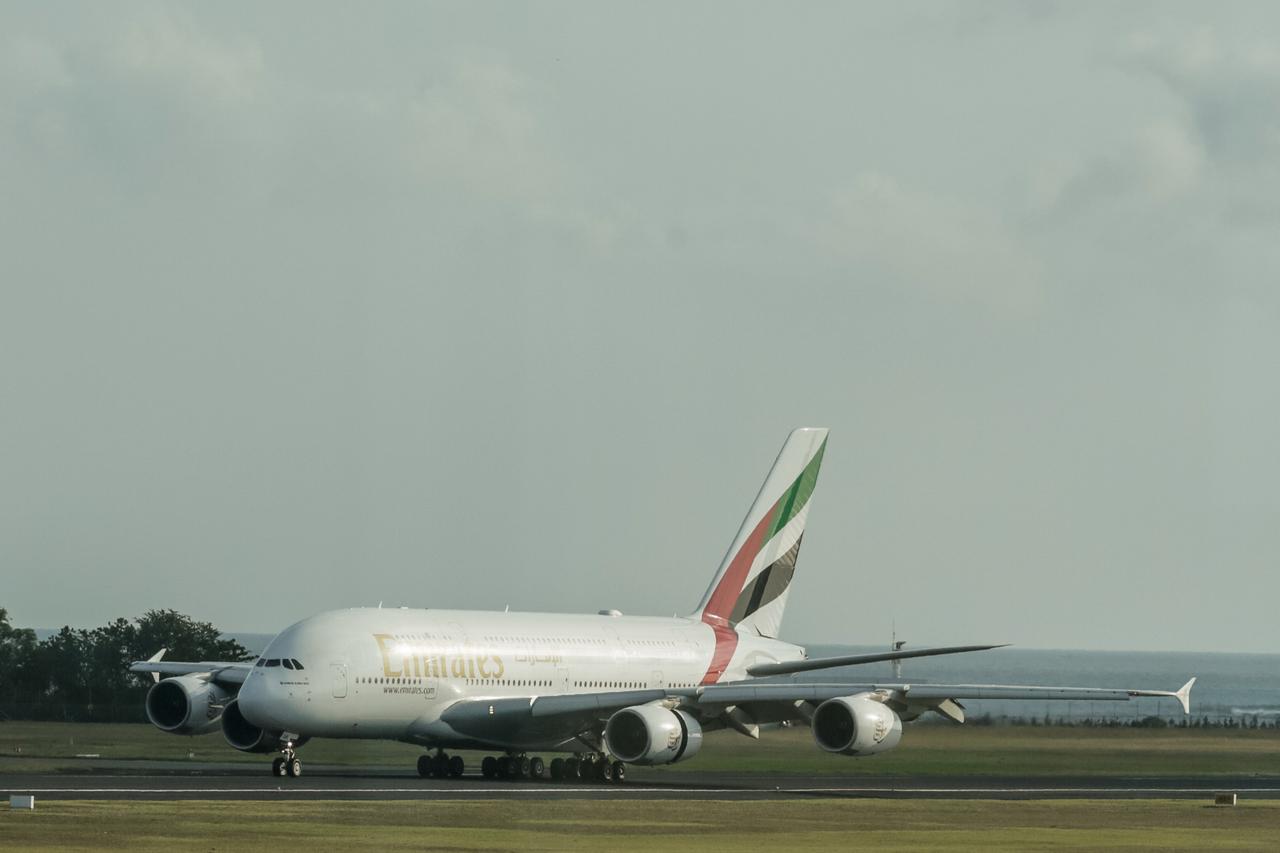
Emirates Airline announces reduced flight schedule across 100+ destinations
Comprehensive Summarization:
Emirates Airline, the world’s largest long-haul airline and the largest carrier in the Middle East, has announced a reduced flight schedule across more than 100 destinations. This decision comes as part of the airline’s response to current market conditions, aiming to adapt to the evolving travel landscape. The announcement was made on X, the social media platform, where Emirates encouraged customers to check the latest flight schedules and make bookings accordingly. This move reflects the airline’s commitment to navigating through challenging times while maintaining operational efficiency and customer service.
Key Points:
Actionable Takeaways:
Monitor Flight Schedules: Travelers should regularly check Emirates Airline’s updated flight schedules to plan their trips effectively. This is crucial as the airline’s reduced schedule may impact travel plans, especially for those with flexible itineraries.
Adapt to Market Changes: The airline’s decision highlights the importance of flexibility in travel planning. Businesses and individuals in the travel industry should be prepared to adjust their travel arrangements in response to similar operational changes, ensuring they stay informed about airline updates and market conditions.
Leverage Digital Platforms: Emirates’ use of X for communication underscores the growing importance of digital platforms in travel communications. Companies should consider leveraging social media and other digital channels for timely updates and customer engagement, enhancing transparency and customer trust.
Contextual Insights:
The reduction in Emirates Airline’s flight schedule is a reflection of broader industry trends where airlines are adapting to fluctuating demand and operational challenges. This move is indicative of a larger shift towards operational efficiency and customer-centric strategies in the travel sector. As the travel industry continues to recover from the impacts of recent global events, airlines are increasingly focusing on optimizing their routes and schedules to balance cost-effectiveness with customer satisfaction. This context is crucial for understanding the broader implications of Emirates’ decision, as it signals a trend towards more agile and responsive airline operations. Furthermore, the emphasis on digital communication aligns with current industry trends, where technology plays a pivotal role in enhancing customer engagement and operational transparency. This forward-looking perspective suggests that the travel industry will continue to evolve, with airlines and other stakeholders adopting innovative strategies to navigate future uncertainties.
Read the Complete Article.
Boutique Travel VC raises investment cap from $1.5M to $10M to lead rounds and support portfolio companies through growth Travel...
Read moreDetails



Comprehensive Summarization: Emirates Airline, the world’s largest long-haul airline and the largest carrier in the Middle East, has announced a...
Read moreDetails
