























Travel Capitalist Ventures Expands Check Size to $10 Million to Deepen Emerging Market Conviction
Boutique Travel VC raises investment cap from $1.5M to $10M to lead rounds and support portfolio companies through growth Travel...
Read moreDetails
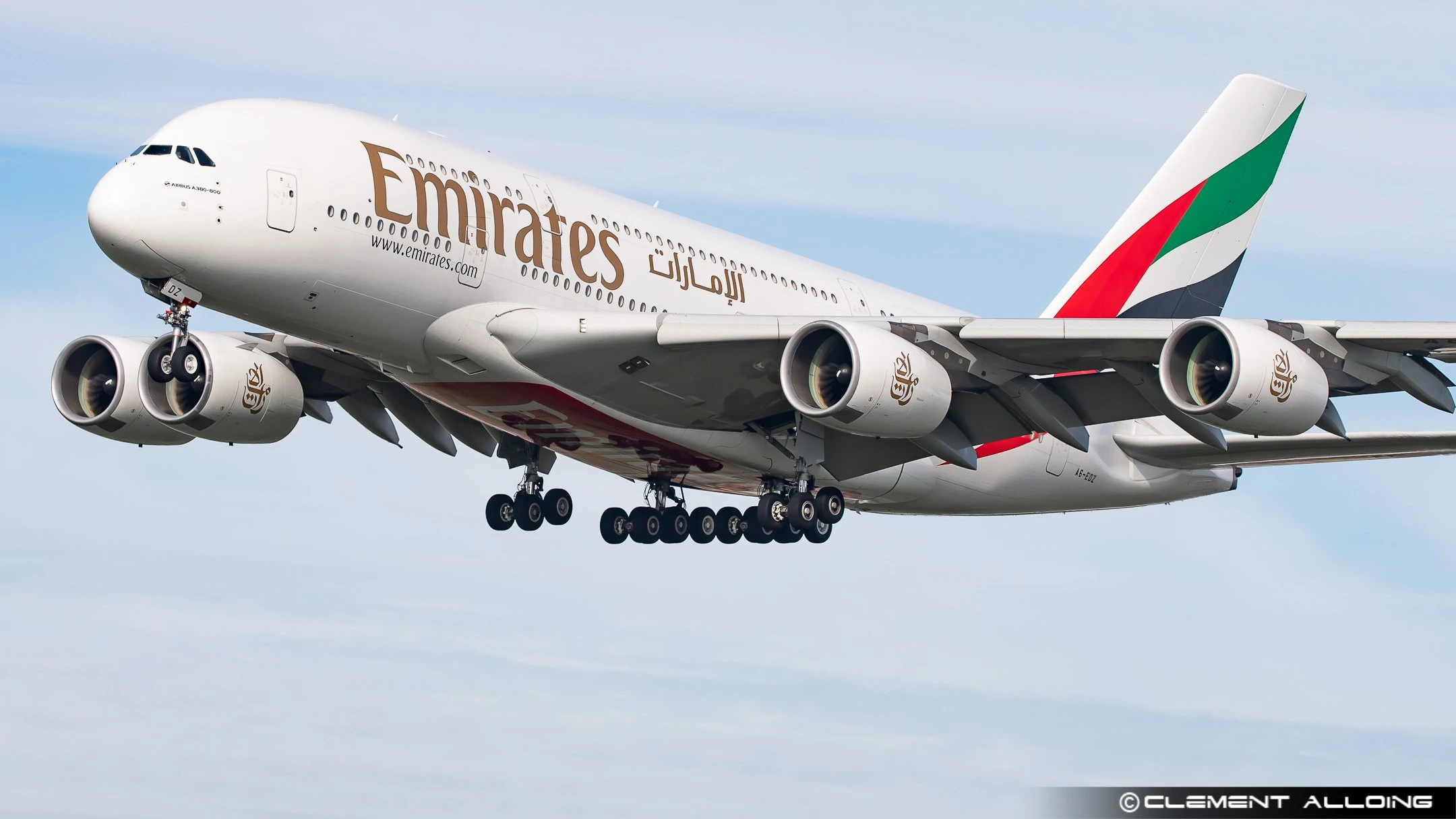
Emirates, a global leader in aviation, has announced significant changes to its operational strategy, leading to the discontinuation of Airbus A380 services to four key United States airports. This strategic decision reflects a broader trend in airline fleet management, prioritizing efficiency and adapting to evolving market demands.
The iconic A380, once a symbol of luxury and capacity, is being redeployed on routes with higher demand and profitability. For Emirates, this means a recalibration of its US network, with the superjumbo no longer gracing the skies of Boston Logan International Airport (BOS), San Francisco International Airport (SFO), Seattle-Tacoma International Airport (SEA), and Washington Dulles International Airport (IAD).
This move is not an indictment of the A380 itself but rather a calculated adjustment to optimize capacity and operational costs. Airlines worldwide are continuously evaluating their fleet composition to align with passenger traffic, fuel efficiency, and aircraft availability. In a post-pandemic travel landscape, flexibility and a focus on returning to profitability are paramount.
The impact on passengers will likely be a transition to different aircraft types on these routes. Emirates is expected to maintain service to these cities but with smaller, more fuel-efficient aircraft from its extensive Boeing 777 and Airbus A350 fleet. This ensures continued connectivity for travelers while aligning capacity with current demand levels.
Industry analysts suggest this strategic shift by Emirates is part of a larger effort to streamline operations and maximize returns on investment. The A380, while a passenger favorite for its spacious cabins and amenities, requires a significant number of passengers to operate profitably on each flight. By reallocating these aircraft to high-density routes, Emirates aims to improve load factors and overall network performance.
The decision also underscores the dynamic nature of the aviation industry, where route planning and fleet deployment are subject to constant review. Factors such as competitive landscape, economic conditions, and shifting travel patterns all play a crucial role in shaping an airline’s operational strategy. For travelers in Boston, San Francisco, Seattle, and Washington D.C., the end of the A380 era on their specific routes marks a change in their flying experience, but the commitment to serving these vital markets remains.
Read the Complete Article.
Boutique Travel VC raises investment cap from $1.5M to $10M to lead rounds and support portfolio companies through growth Travel...
Read moreDetails




