




















Travel Capitalist Ventures Expands Check Size to $10 Million to Deepen Emerging Market Conviction
Boutique Travel VC raises investment cap from $1.5M to $10M to lead rounds and support portfolio companies through growth Travel...
Read moreDetails

Courtesy of Emirates
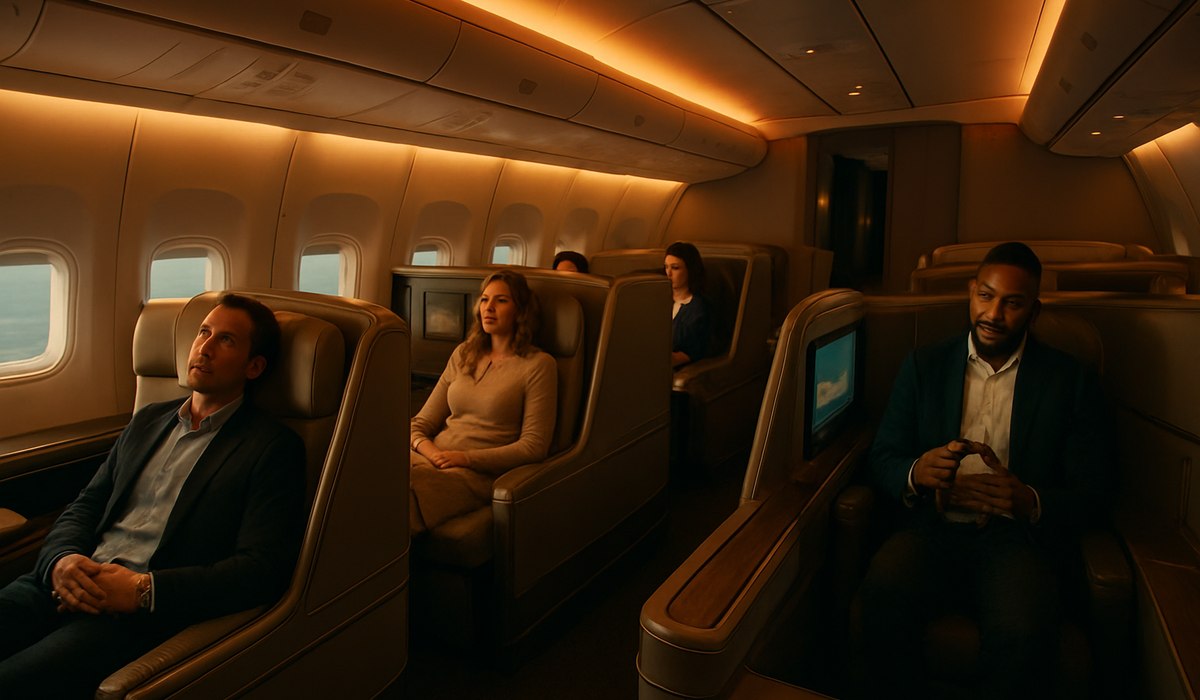
In the highly competitive luxury travel sector, Emirates is redefining its premium passenger experience by strategically leveraging ultra-high-end culinary offerings, most notably unlimited caviar in First Class. This move intensifies the ongoing battle among Gulf carriers to attract and retain the most lucrative travelers, showcasing a clear post-pandemic trend towards elevated luxury.
Emirates’ commitment to enhancing its "soft product" — the in-flight service, amenities, and particularly the dining experience — is a significant part of its broader $2 billion investment. This substantial capital injection is dedicated to comprehensive aircraft cabin upgrades, refreshed menus, and advanced staff training across its fleet. By focusing on exquisite details like unlimited Oscietra caviar, Emirates aims to solidify its position at the apex of luxury air travel, catering to a discerning clientele that values exclusivity and unparalleled service. This strategy directly addresses the robust demand for premium travel that has surged since the global pandemic, where high-spending passengers are seeking greater comfort, privacy, and unique experiences.
The competitive landscape among Gulf airlines is fierce, with each carrier vying for market share in the premium segment. While Emirates pushes culinary boundaries, Qatar Airways continues to distinguish itself with its award-winning QSuites and an emphasis on luxury beverages like Krug champagne, complemented by a flexible dine-on-demand service. Etihad Airways, also a key player, is actively working to rebuild and strengthen its premium offerings, with expectations of reintroducing a First Class product by 2026. This ongoing "arms race" in luxury amenities underscores the strategic importance of premium cabins, which, despite comprising a small percentage of overall seats, contribute disproportionately to airline revenues.
For travel industry professionals, Emirates’ caviar strategy signals a critical insight: differentiation through genuine luxury experiences is paramount. It highlights the power of investing in tangible, high-value offerings that resonate deeply with the target demographic. This approach not only aims to secure high-value passenger loyalty but also drives higher yields, a crucial factor in airline profitability. As the global travel market evolves, the emphasis on bespoke, opulent, and memorable journeys will continue to shape airline strategies, making the battle for premium passengers more innovative and luxurious than ever before.
Key Points
Read the Complete Article.
Boutique Travel VC raises investment cap from $1.5M to $10M to lead rounds and support portfolio companies through growth Travel...
Read moreDetails




