







No products in the cart.
- Latest
- Trending

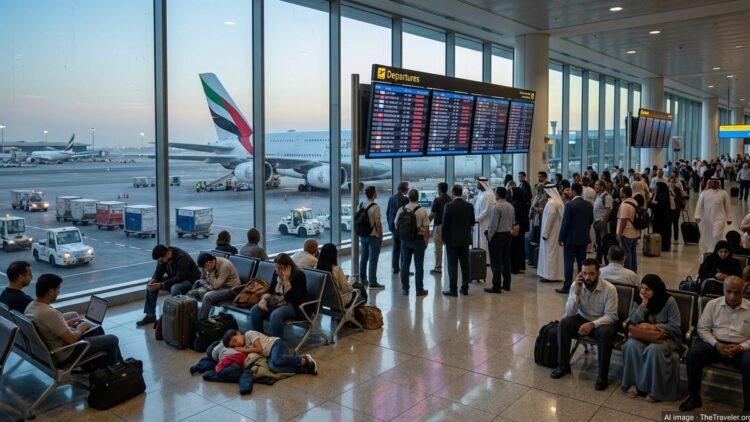
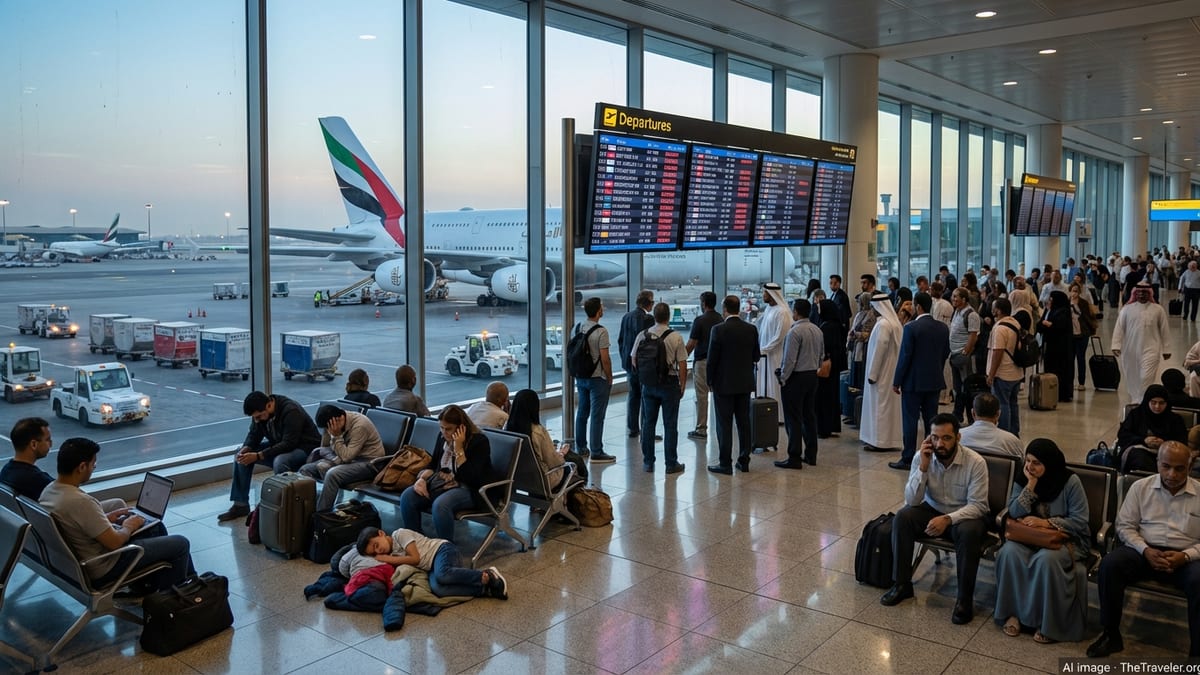
Emirates US–Dubai Flights Diverted to Europe Amid Iran Strikes
Comprehensive Summarization:
Emirates Airlines experienced significant disruptions to its US network on Saturday due to US and Israeli strikes on Iran, which led to the sudden closure of airspace across the Gulf and wider Middle East. This resulted in the diversion of six long-haul flights from major US cities, including Los Angeles, San Francisco, Seattle, New York, and Chicago, to European airports. The Dubai-based carrier confirmed that this was a direct consequence of the airspace shutdowns, which have severely impacted one of the world’s busiest long-haul corridors. The article highlights the rapid response of Emirates to the airspace closures, emphasizing the challenges faced by airlines in maintaining operational continuity during such unexpected events.
Key Points:
Actionable Takeaways:
Operational Flexibility: Airlines must develop robust operational flexibility plans to swiftly adapt to sudden airspace closures or geopolitical events. Emirates’ rapid diversion of flights demonstrates the importance of having contingency plans in place to minimize disruptions to long-haul routes.
Geopolitical Risk Assessment: The incident highlights the need for airlines to conduct thorough geopolitical risk assessments. Understanding potential risks associated with specific routes and regions can help airlines proactively manage operational challenges and protect their business interests.
Investment in Technology: The article underscores the importance of investing in advanced technologies for real-time monitoring and decision-making. Airlines can leverage technology to enhance situational awareness and enable quicker responses to unexpected events, ensuring smoother operations during crises.
Contextual Insights:
The Emirates Airlines incident is a stark reminder of how geopolitical events can have immediate and profound effects on the aviation industry. In recent years, the travel industry has witnessed increased volatility due to geopolitical tensions, natural disasters, and pandemics. This event highlights the interconnectedness of global supply chains and the vulnerability of airlines to external shocks. As the industry moves forward, there is a growing emphasis on resilience and adaptability. Startups and established players alike are investing in technologies such as AI and machine learning to enhance predictive analytics, enabling airlines to anticipate and mitigate risks more effectively. Furthermore, the integration of fintech solutions can provide airlines with better financial tools to manage operational costs and navigate through turbulent times. The Emirates case serves as a critical learning point for the industry, emphasizing the necessity of proactive risk management and technological innovation to sustain growth and stability in an increasingly unpredictable world.
Read the Complete Article.
Get curated travel AI insights — choose the newsletters that matter to you.
ALTOUR Expands into Thailand, Strengthening Corporate Travel Network Across Southeast Asia BANGKOK, THAILAND (25 March, 2026) – ALTOUR, a leading...
Read moreDetails


Comprehensive Summarization: The article highlights the recent opening of Haa Valley, a remote Himalayan sanctuary, to international travelers after decades...
Read moreDetails