







No products in the cart.
- Latest
- Trending


Emirates Faces Severe Travel Disruptions as Middle East Tensions Continue – What This Means for Your...
Comprehensive Summarization:
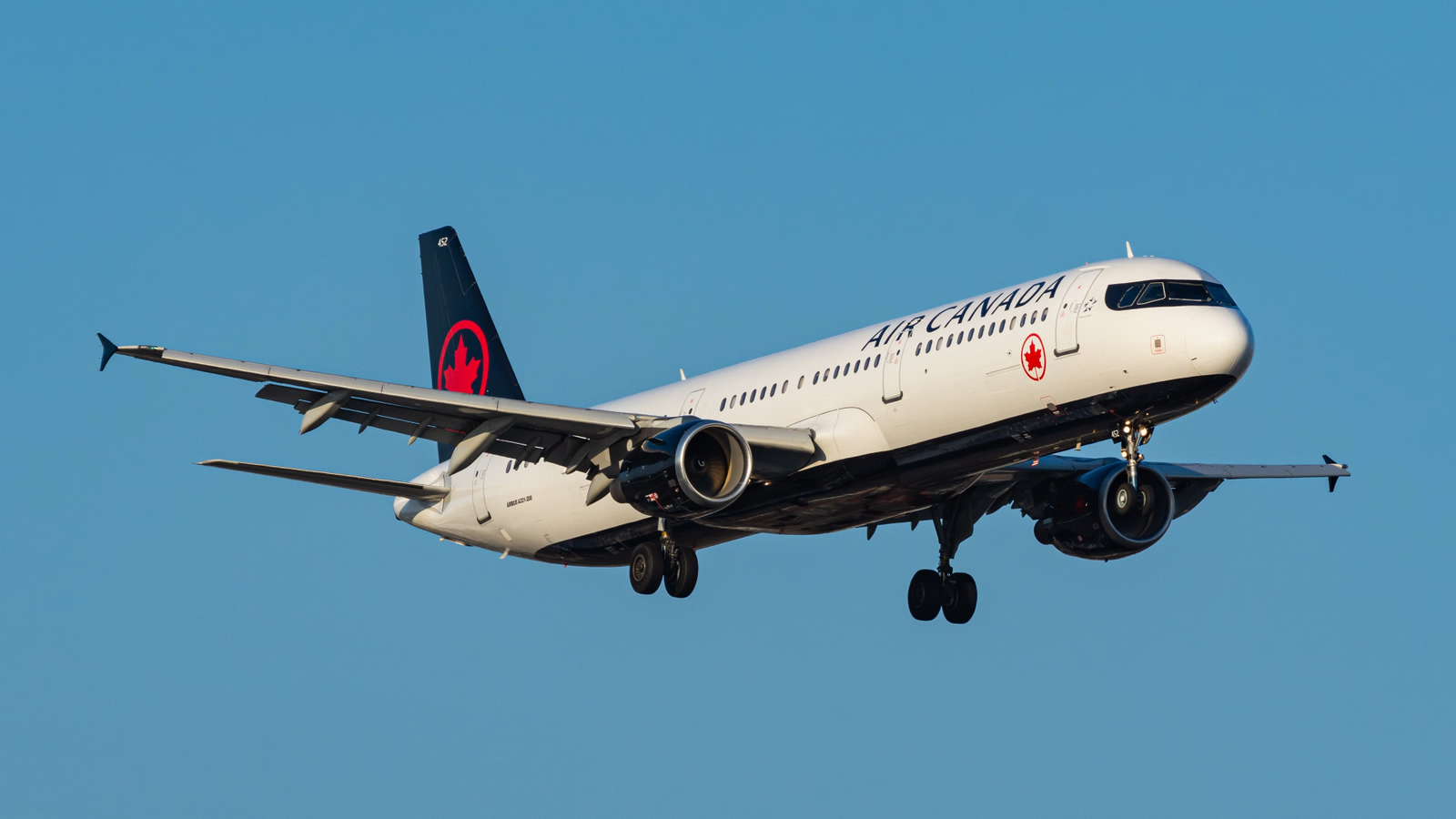
The article from Travel and Tour World, published on March 30, 2026, highlights the ongoing travel disruptions faced by Emirates due to persistent geopolitical tensions in the Middle East. These tensions, involving Iran, Israel, and surrounding regions, have led to airspace closures and route cancellations, significantly impacting Emirates’ extensive network that serves millions of passengers globally. The article underscores the challenges faced by the airline industry in maintaining operational continuity amidst escalating conflicts, emphasizing the need for adaptability and resilience in travel logistics. The image accompanying the article visually represents the disruption, showing Emirates flights still cancelled due to these ongoing issues.
Key Points:
Actionable Takeaways:
Adaptability in Travel Logistics: Airlines must enhance their operational flexibility to swiftly adapt to geopolitical changes and airspace restrictions. This includes developing contingency plans for route cancellations and diversifying alternative routes to minimize passenger impact.
Investment in Travel Tech Solutions: The article highlights the need for advanced travel technology solutions to manage disruptions effectively. Innovations in real-time flight tracking, dynamic routing, and passenger communication systems can help airlines maintain transparency and trust with travelers during turbulent times.
Focus on Passenger Experience: Given the significant impact on passenger journeys, airlines should prioritize enhancing the passenger experience through improved communication, compensation strategies for disruptions, and loyalty programs that incentivize continued patronage despite challenges.
Contextual Insights:
The article reflects the current state of the travel industry amidst escalating geopolitical tensions in the Middle East. As of 2026, the region remains a hotspot for conflicts, directly impacting global air travel. This context is crucial for understanding the challenges faced by airlines like Emirates, which serve as a bellwether for the broader industry. The persistent disruptions underscore the importance of technological advancements in travel logistics, such as AI-driven route optimization and predictive analytics for conflict zones. Furthermore, the article aligns with emerging trends in travel tech, where startups are developing solutions to mitigate the impact of geopolitical instability on air travel. These innovations are essential for maintaining passenger trust and ensuring the resilience of the travel sector in the face of ongoing global uncertainties.
Read the Complete Article.
Get curated travel AI insights — choose the newsletters that matter to you.
ALTOUR Expands into Thailand, Strengthening Corporate Travel Network Across Southeast Asia BANGKOK, THAILAND (25 March, 2026) – ALTOUR, a leading...
Read moreDetails


Comprehensive Summarization: The article from Travel and Tour World, published on March 30, 2026, highlights the ongoing travel disruptions faced...
Read moreDetails