Article Summary:
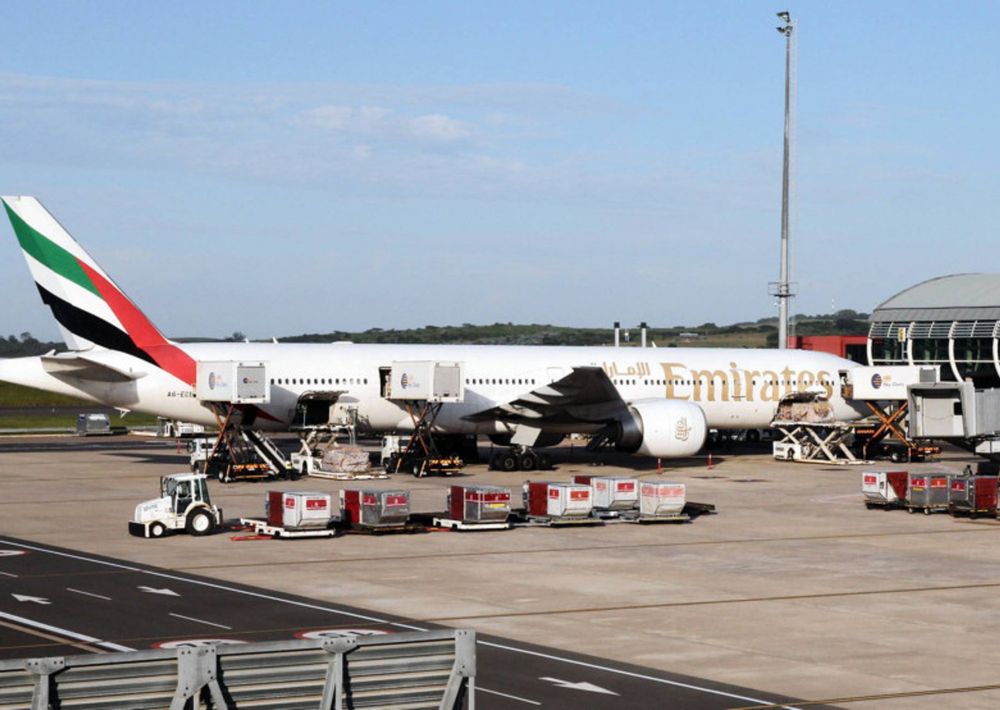
The article highlights the ongoing jet fuel shortages and infrastructure constraints at South Africa’s major airports as a significant risk to the country’s aviation and tourism sectors. A senior executive from Emirates Airlines warns that these issues, exacerbated by refinery closures, logistical disruptions, and insufficient storage and pipeline capacity, pose serious challenges to the industry. Industry players have repeatedly raised concerns about these persistent problems, underscoring the need for immediate attention and solutions.
Key Points:
Jet fuel shortages and infrastructure constraints are major risks to South Africa’s aviation and tourism sectors.
These issues are exacerbated by refinery closures, logistical disruptions, and inadequate storage and pipeline capacity.
Industry players have repeatedly raised concerns about these persistent problems.
Actionable Takeaways:
Invest in Infrastructure Upgrades: Immediate investment in upgrading storage and pipeline capacities is crucial to mitigate the impact of jet fuel shortages. This action is directly relevant as it addresses the core infrastructure constraints highlighted in the article, potentially stabilizing the aviation sector.
Diversify Fuel Supply Sources: Exploring alternative fuel supply sources or partnerships with international suppliers could help alleviate local shortages. This recommendation aligns with the article’s context of refinery closures and logistical disruptions, suggesting a proactive approach to supply chain resilience.
Advocate for Policy Changes: Industry stakeholders should advocate for policy changes that support refinery operations and address logistical bottlenecks. This takeaway is actionable as it directly addresses the systemic issues mentioned, potentially leading to regulatory reforms that benefit the aviation sector.
Contextual Insights:
The article reflects the ongoing challenges faced by the aviation industry in South Africa, particularly in the context of global fuel price volatility and local infrastructure limitations. The persistent jet fuel shortages and infrastructure constraints are indicative of broader systemic issues within the travel sector, affecting not only airlines but also tourism-dependent businesses. From a forward-looking perspective, these challenges underscore the need for innovative solutions in travel tech, such as more efficient fuel management systems or alternative energy sources for aviation. Additionally, the article highlights the importance of policy advocacy in addressing regulatory and logistical barriers, suggesting that industry collaboration and strategic planning are essential for long-term sustainability. The insights drawn from this article align with current travel trends, emphasizing the critical role of infrastructure and supply chain resilience in maintaining operational stability and growth in the aviation sector.