








No products in the cart.
- Latest
- Trending

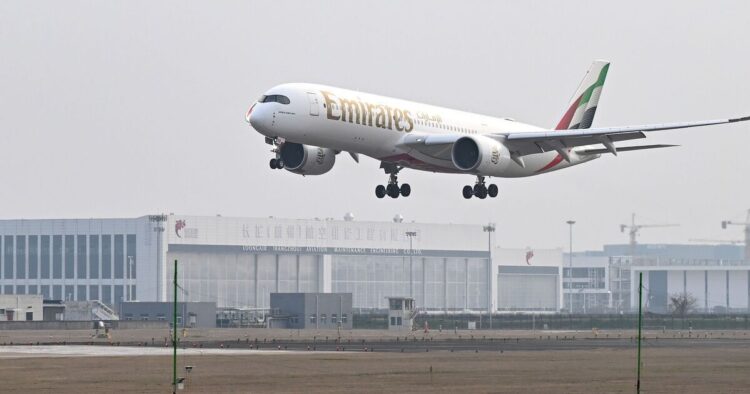
Emirates Airline latest refund advice after Dubai ‘do not travel’ warning | World | News
Comprehensive Summarization:
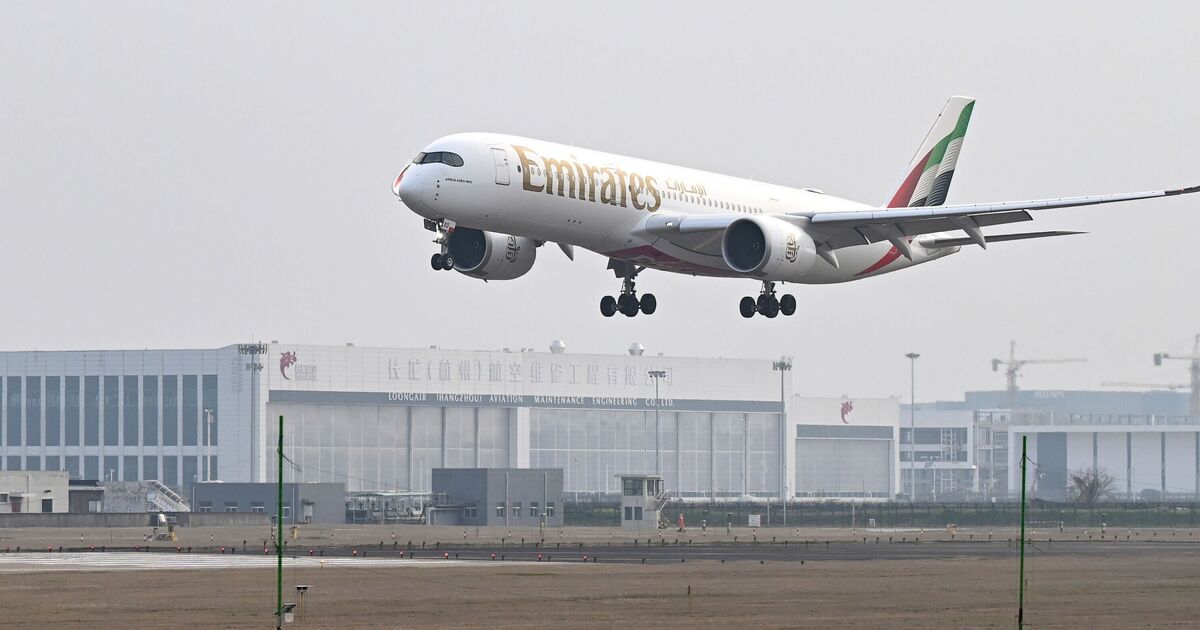
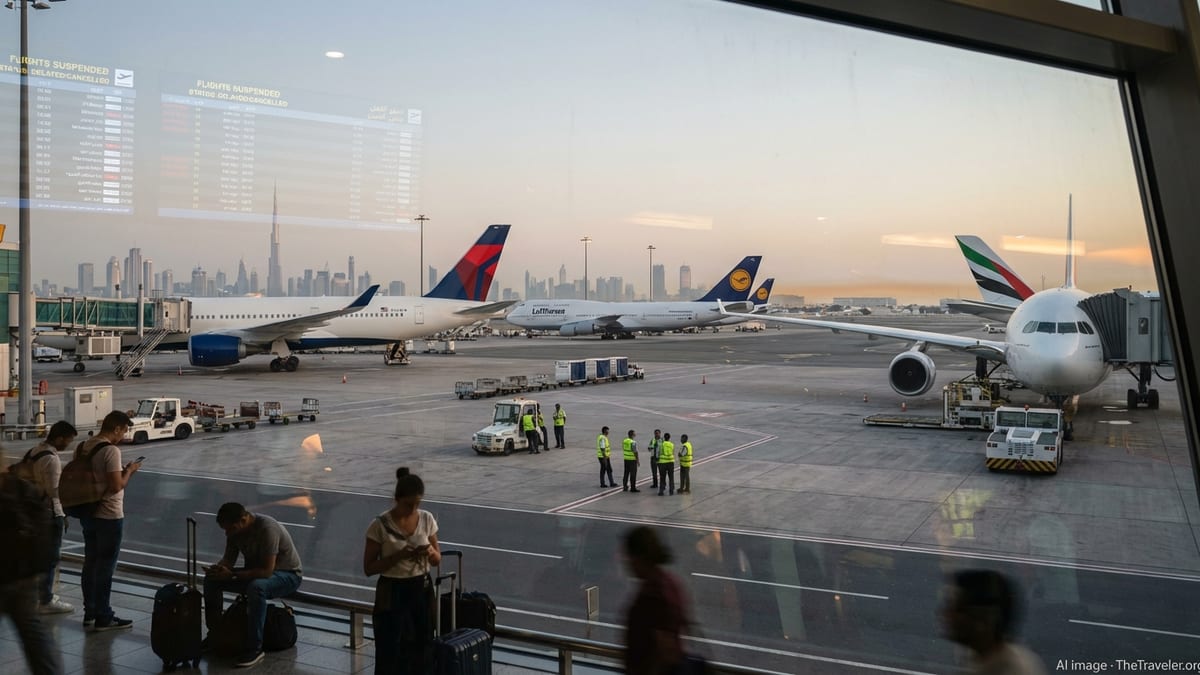
The article discusses the reduced flight schedule of Emirates, the United Arab Emirates’ flag carrier, due to the ongoing war in the Middle East. This operational change is a direct response to the recent US-Israeli strikes against Iran, which have led to retaliatory actions by Tehran against American bases in the Gulf States. The airline has issued guidance on its website regarding limited operations and the availability of refunds for affected passengers. This situation highlights the significant impact of geopolitical events on the travel industry, particularly in terms of operational adjustments and customer communication.
Key Points:
Actionable Takeaways:
Operational Flexibility in Travel: Airlines must be prepared to adjust their schedules rapidly in response to geopolitical events. This flexibility is crucial for maintaining customer trust and minimizing disruptions. The Emirates case illustrates the need for airlines to have contingency plans in place for such scenarios.
Transparent Communication with Customers: Clear and timely communication regarding operational changes and refunds is essential. Emirates’ guidance on its website demonstrates the importance of transparency in maintaining customer satisfaction and loyalty, especially during uncertain times.
Contextual Insights:
The article reflects the current state of the travel industry, where geopolitical tensions can have immediate and tangible effects on airline operations. It highlights the interconnectedness of global events and the travel sector, emphasizing the need for adaptability and proactive communication. Furthermore, it underscores the importance of customer-centric strategies in crisis management, a trend that is increasingly relevant in the travel industry. The insights provided align with the latest travel trends, where technology plays a pivotal role in managing operational challenges and enhancing customer communication.
Read the Complete Article.
Get curated travel AI insights — choose the newsletters that matter to you.
ALTOUR Expands into Thailand, Strengthening Corporate Travel Network Across Southeast Asia BANGKOK, THAILAND (25 March, 2026) – ALTOUR, a leading...
Read moreDetails


Comprehensive Summarization: The article reports on significant disruptions in air travel across the Middle East, with 32 flights cancelled and...
Read moreDetails