





No products in the cart.
- Latest
- Trending

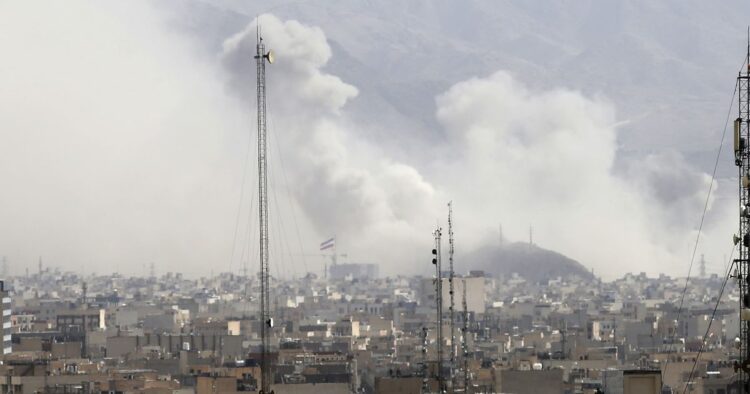
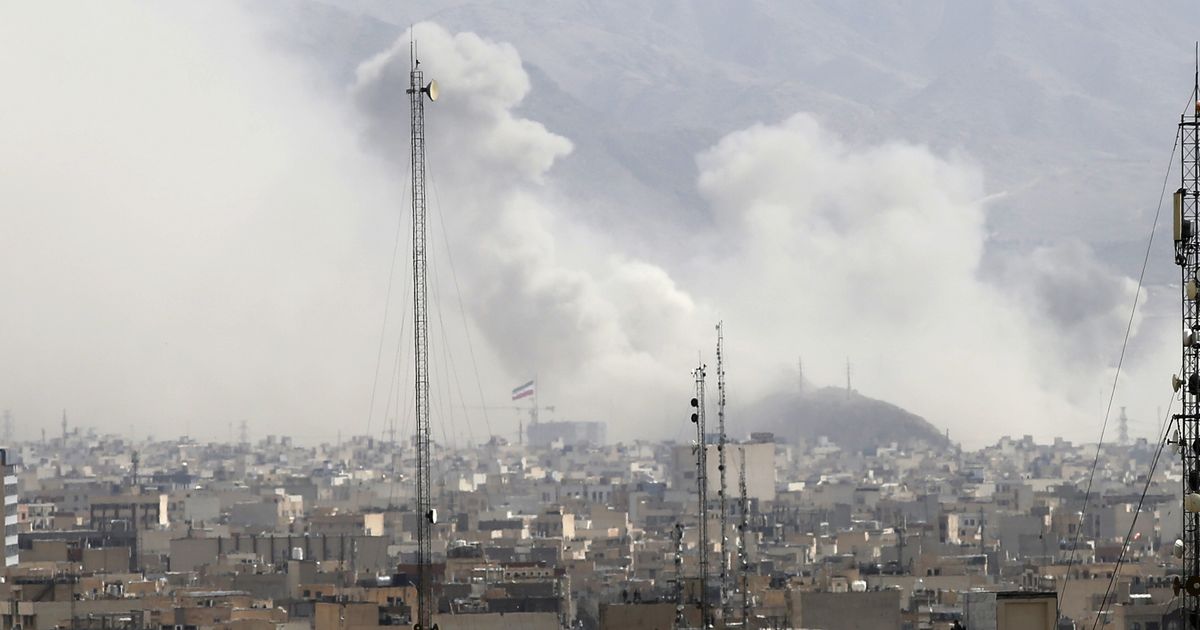
Smoke rises over the city after an Israeli army launches second wave of airstrikes on Iran on February 28(Image: Anadolu via Getty Images)
Comprehensive Summarization:
Emirates has temporarily suspended its operations to and from Dubai due to multiple regional airspace closures. This decision follows US and Israeli forces’ preemptive strikes on Iran on February 28, described by the countries as a response to Iran’s intentions to develop nuclear capabilities. The article provides a snapshot of the current geopolitical tensions affecting international travel and highlights the impact on airlines like Emirates, which operate across multiple regions.
Key Points:
Actionable Takeaways:
Reassess Travel Itineraries: Airlines and travel agencies should reassess their itineraries and consider alternative routes or modes of transportation to avoid regions with airspace closures. This is crucial for minimizing disruptions and ensuring passenger safety.
Monitor Geopolitical Developments: Travel companies should closely monitor geopolitical developments and their potential impact on travel routes and safety. This proactive approach can help in making informed decisions and mitigating risks associated with travel disruptions.
Enhance Communication with Passengers: Clear and timely communication with passengers regarding changes in travel plans is essential. Airlines should provide updates on suspension periods, alternative travel options, and any associated costs to maintain trust and transparency.
Contextual Insights:
The suspension of Emirates’ operations to and from Dubai underscores the heightened sensitivity of international travel in the current geopolitical climate. The preemptive strikes by US and Israeli forces against Iran highlight the potential for rapid escalation in regional conflicts, which can have cascading effects on global travel. This situation emphasizes the need for travel companies to be agile and responsive to changing circumstances. Furthermore, the article aligns with broader trends in the travel industry, such as the increasing importance of real-time information and the ability to adapt quickly to disruptions. As geopolitical tensions continue to evolve, travel companies must leverage technology and strategic planning to navigate these challenges effectively.
Read the Complete Article.
Get curated travel AI insights — choose the newsletters that matter to you.
ALTOUR Expands into Thailand, Strengthening Corporate Travel Network Across Southeast Asia BANGKOK, THAILAND (25 March, 2026) – ALTOUR, a leading...
Read moreDetails


Comprehensive Summarization: United Airlines experienced significant travel disruptions across the United States, with 44 flights canceled and 835 delayed. This...
Read moreDetails