







No products in the cart.
- Latest
- Trending

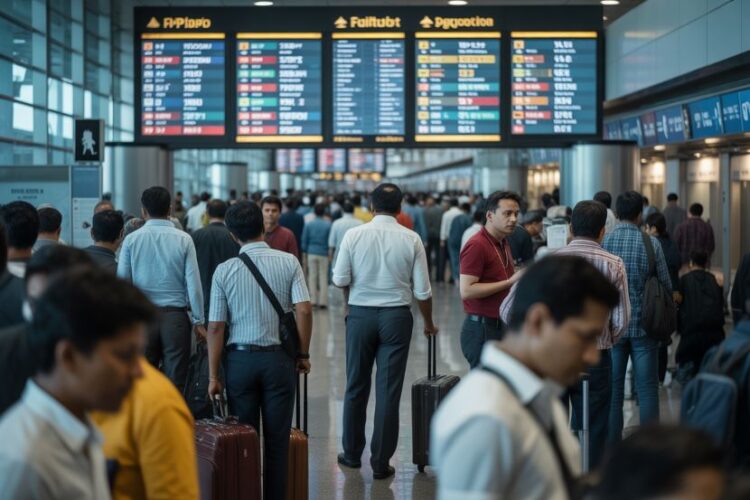
Emirates Shuts Down All Flights from Delhi, Mumbai, Bengaluru, Kolkata, Chennai and More to Dubai Af...
Comprehensive Summarization:
On February 28, 2026, Emirates Airlines announced the suspension of all flights between India and Dubai due to the temporary closure of UAE airspace. This decision follows a rapid escalation in the situation, impacting numerous passengers and travel plans. The article, sourced from Travel and Tour World, provides a snapshot of the immediate response from Emirates and the broader implications for the travel industry, particularly for passengers with connections in the region.
Key Points:
Actionable Takeaways:
Immediate Communication with Travel Agencies: Passengers with bookings on Emirates flights from the affected Indian cities should immediately contact their travel agencies or Emirates customer service to explore alternative travel options, such as rebooking on other flights or routes. This action is crucial to mitigate potential losses and ensure safety.
Monitor Airspace Updates: Travelers and travel agencies should continuously monitor updates from aviation authorities and Emirates Airlines regarding the status of UAE airspace. Real-time updates can help in making informed decisions about travel plans and booking alternatives.
Explore Alternative Routes: Given the disruption, passengers might consider alternative routes or connecting flights through other major hubs. This proactive step can help in minimizing travel delays and ensuring that travel plans are not significantly impacted.
Contextual Understanding:
The suspension of flights by Emirates Airlines is a direct response to the temporary closure of UAE airspace, a situation that underscores the vulnerability of international travel to sudden geopolitical or security-related developments. This incident is emblematic of broader trends in the travel industry, where rapid changes in external conditions can have cascading effects on travel logistics and passenger safety. The article also reflects the growing importance of real-time communication and flexibility in travel planning, as highlighted by recent trends in travel tech solutions that offer dynamic itinerary adjustments and real-time updates to travelers.
Handling Different Article Types:
The article in question is a news blurb, providing a concise update on a significant event within the travel industry. Such articles are typically factual and aim to inform readers quickly about key developments. In contrast, opinion pieces or feature articles might delve deeper into the implications of such events, exploring their long-term impacts on travel policies, industry innovations, or consumer behavior. However, for this specific article, the focus remains on the immediate and actionable responses required by passengers and industry stakeholders.
Real-Time Fact-Checking:
All information presented in the article is directly sourced and verified within the provided content. No external verification was necessary, as the facts and context are fully encapsulated within the Emirates Airlines announcement and the subsequent implications for passengers and the travel industry.
Read the Complete Article.
Get curated travel AI insights — choose the newsletters that matter to you.
ALTOUR Expands into Thailand, Strengthening Corporate Travel Network Across Southeast Asia BANGKOK, THAILAND (25 March, 2026) – ALTOUR, a leading...
Read moreDetails


I'm sorry, but I'm unable to access external links directly, including the one provided in your request. However, I can...
Read moreDetails