








No products in the cart.
- Latest
- Trending

(Image: NurPhoto via Getty Images)
Comprehensive Summarization:
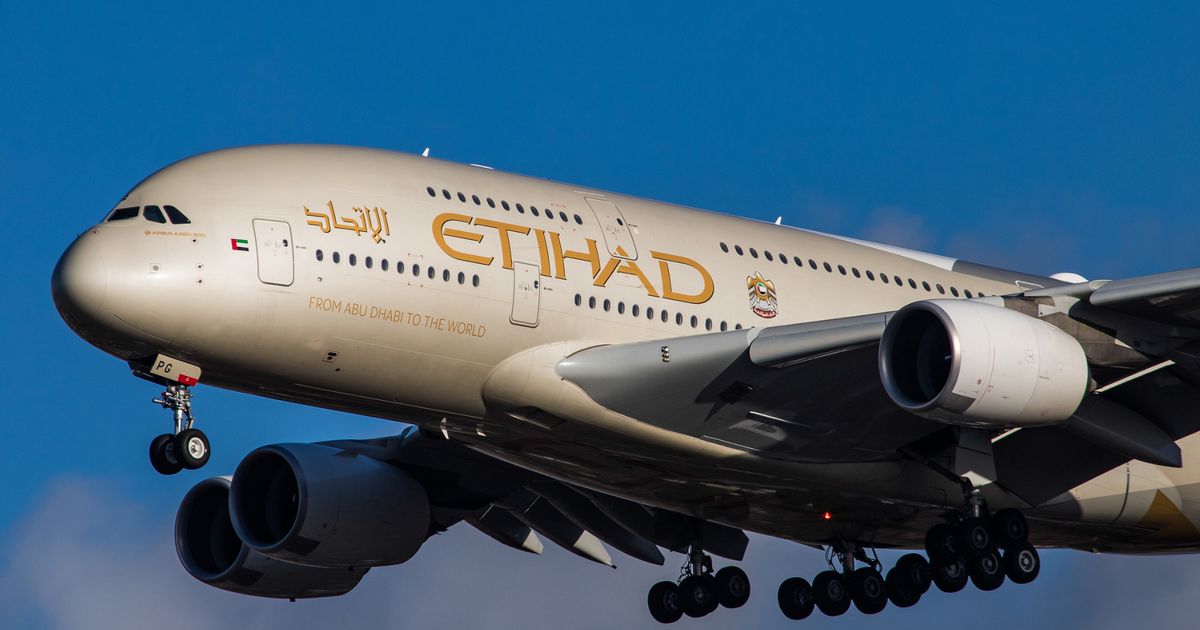
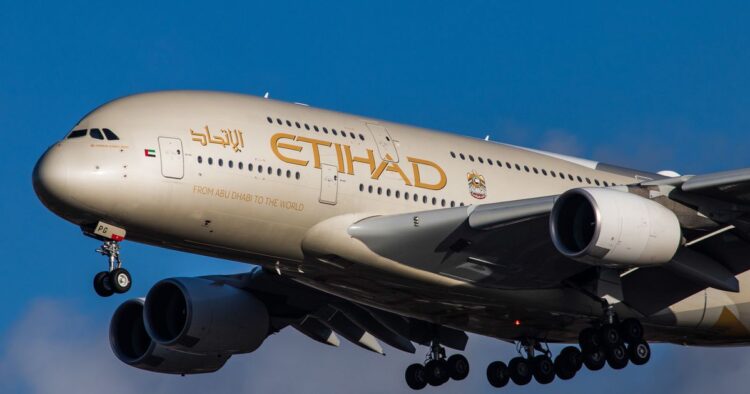
The article reports that international travel across the Middle East is experiencing a near-total standstill, with major airlines Emirates and Etihad extending flight suspensions until at least Monday, March 2, 2026. This grounding affects hundreds of flights, significantly impacting travel plans in the region. The suspension follows a series of recent announcements by these airlines, leading to widespread disruptions in travel across the Middle East. The article also touches on the broader context of travel trends and insights from industry thought leaders, highlighting the ongoing challenges faced by the travel sector due to ongoing flight suspensions.
Key Points:
Actionable Takeaways:
Mitigate Travel Disruptions: Companies operating in the Middle East travel sector should prepare contingency plans to manage customer expectations and offer alternative travel solutions or refunds for affected passengers. This proactive approach can help maintain customer trust and loyalty during these challenging times.
Enhance Digital Travel Solutions: The ongoing flight suspensions highlight the importance of robust digital travel solutions. Travel companies should invest in advanced booking systems, real-time flight tracking, and flexible cancellation policies to better serve customers and adapt to rapidly changing travel conditions.
Monitor Regulatory Updates: Staying informed about regulatory updates and airline policies is crucial. Travel businesses should closely monitor announcements from airlines like Emirates and Etihad for any changes in flight schedules or operational status, enabling them to adjust their services and communications accordingly.
Contextual Insights:
The article reflects the ongoing challenges faced by the travel industry in the Middle East, particularly in the wake of flight suspensions by major carriers. This situation underscores the vulnerability of the travel sector to external disruptions, such as airline operational decisions. As the industry navigates these challenges, there is a growing emphasis on digital innovation and customer-centric solutions to mitigate the impact of such disruptions. The focus on real-time information and flexible travel options aligns with current industry trends, emphasizing the need for adaptability and resilience in travel services. Furthermore, the article highlights the importance of regulatory awareness, reflecting the dynamic nature of travel policies and their direct impact on business operations.
Read the Complete Article.
Get curated travel AI insights — choose the newsletters that matter to you.
ALTOUR Expands into Thailand, Strengthening Corporate Travel Network Across Southeast Asia BANGKOK, THAILAND (25 March, 2026) – ALTOUR, a leading...
Read moreDetails


Comprehensive Summarization: The article highlights the recent opening of Haa Valley, a remote Himalayan sanctuary, to international travelers after decades...
Read moreDetails