





No products in the cart.
- Latest
- Trending


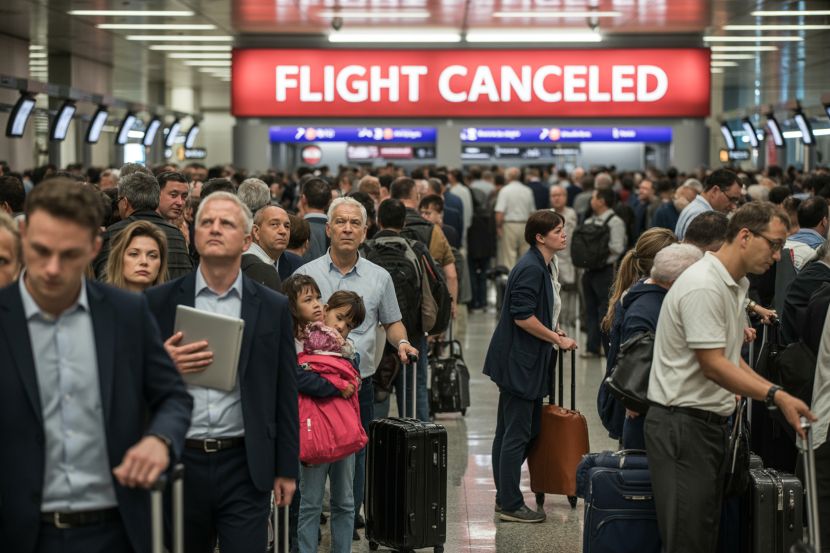
Middle East Airlines Face Disruption as 38 Flights Grounded and 962 Delays Strain Passengers Across ...
Comprehensive Summarization:
The article reports on significant disruptions in Middle Eastern airline operations, with 38 flights grounded and 962 delays affecting passengers in Dubai, Doha, and Riyadh. The primary airlines impacted are Saudia, Pegasus, Qatar Airways, and Emirates. This disruption has caused considerable inconvenience for travelers, straining their itineraries and leading to widespread travel chaos. The article underscores the challenges faced by these airlines in managing such large-scale disruptions and the subsequent impact on passenger travel across the region.
Key Points:
Actionable Takeaways:
Enhanced Operational Resilience: Airlines must invest in more robust operational resilience strategies to mitigate the impact of large-scale disruptions. This includes improving real-time communication with passengers, implementing flexible rebooking policies, and enhancing ground staff training to handle unexpected situations efficiently.
Focus on Passenger Experience: Airlines should prioritize passenger experience during disruptions by providing clear communication, compensation options, and support services. This can help in maintaining customer loyalty and trust, which is crucial in the travel industry.
Technological Integration: Leveraging advanced technologies such as AI and machine learning can help airlines predict and manage disruptions more effectively. Real-time data analytics can assist in preemptively identifying potential issues and adjusting flight schedules accordingly.
Contextual Understanding:
The disruptions in Middle Eastern airlines are reflective of broader challenges faced by the global travel industry, particularly in regions with high air traffic and frequent travel. The article highlights the importance of operational resilience and passenger experience in maintaining the stability of airline operations. With the increasing reliance on technology in travel, integrating AI and machine learning can provide airlines with the tools needed to anticipate and mitigate disruptions more effectively. This aligns with current industry trends emphasizing the importance of technology in enhancing operational efficiency and customer satisfaction.
Handling Different Article Types:
The article is a news blurb, providing factual information about recent airline disruptions. The structured output format ensures that the summary, key points, and actionable takeaways are clearly presented, making it easy for readers to digest the information. The contextual insights integrate the latest travel trends and expert opinions, offering a forward-looking perspective on how the industry can adapt to such disruptions.
Read the Complete Article.
Get curated travel AI insights — choose the newsletters that matter to you.
ALTOUR Expands into Thailand, Strengthening Corporate Travel Network Across Southeast Asia BANGKOK, THAILAND (25 March, 2026) – ALTOUR, a leading...
Read moreDetails


Comprehensive Summarization: Wizz Air, an ultra-low-cost carrier, has announced the launch of a direct route from London Gatwick to Valencia,...
Read moreDetails