







No products in the cart.
- Latest
- Trending

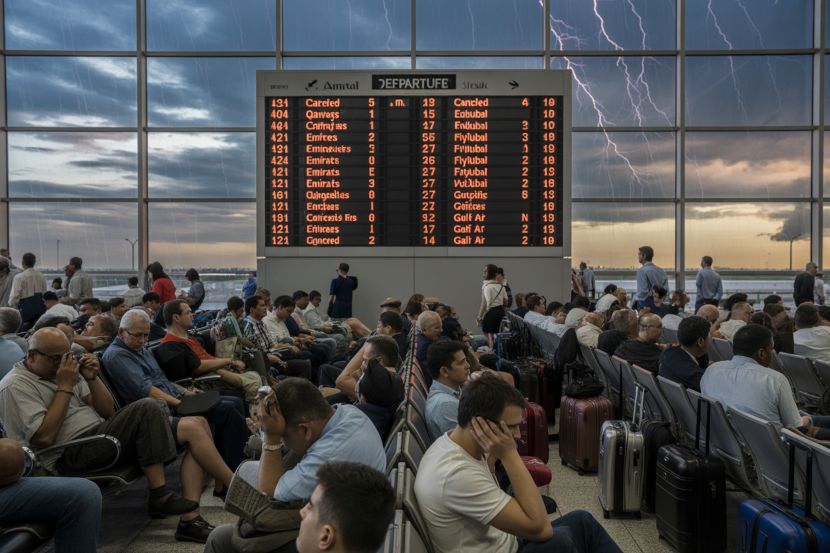
Severe Disruptions in Middle Eastern Regions Due to Ongoing Tensions Cause 1,358 Flight Cancellation...
Comprehensive Summarization:
The article reports severe disruptions in air travel across the Middle Eastern regions, primarily affecting Qatar Airways, Emirates, and FlyDubai. These disruptions, caused by ongoing tensions and severe weather conditions, have led to 1,358 flight cancellations and 60 postpendings. Major cities such as Dubai, Doha, and Bahrain are notably impacted, stranding passengers. The article provides a detailed overview of the affected routes and airports, emphasizing the significant operational challenges faced by airlines in the region.
Key Points:
Actionable Takeaways:
Enhanced Travel Insurance and Flexibility: Given the unpredictability of travel disruptions due to weather and geopolitical tensions, travel companies should offer enhanced insurance packages and flexible booking options to mitigate passenger inconvenience. This can help maintain customer trust and loyalty in turbulent times.
Strategic Route Adjustments: Airlines operating in the Middle East should consider strategic adjustments to their flight schedules, such as increasing the frequency of flights to less affected routes or rerouting flights to avoid high-risk areas. This proactive measure can help minimize passenger disruptions and maintain operational efficiency.
Investment in Weather-Resilient Technologies: The travel industry should invest in advanced weather forecasting and operational technologies to better predict and mitigate the impact of severe weather conditions. Innovations in air traffic management and real-time communication systems can enhance safety and passenger experience during disruptions.
Contextual Insights:
The article reflects the ongoing challenges faced by the travel industry in regions prone to political instability and severe weather. The disruptions underscore the importance of robust contingency planning and the need for airlines to adapt quickly to changing conditions. The emphasis on technological advancements and flexible travel solutions highlights a broader trend in the industry towards resilience and customer-centric services. As the travel sector continues to evolve, integrating innovative technologies and flexible policies will be crucial in navigating future disruptions and maintaining operational integrity.
Read the Complete Article.
Get curated travel AI insights — choose the newsletters that matter to you.
ALTOUR Expands into Thailand, Strengthening Corporate Travel Network Across Southeast Asia BANGKOK, THAILAND (25 March, 2026) – ALTOUR, a leading...
Read moreDetails


Comprehensive Summarization: The World Travel & Tourism Council (WTTC) has released a report titled "Travel & Tourism in Hong Kong...
Read moreDetails