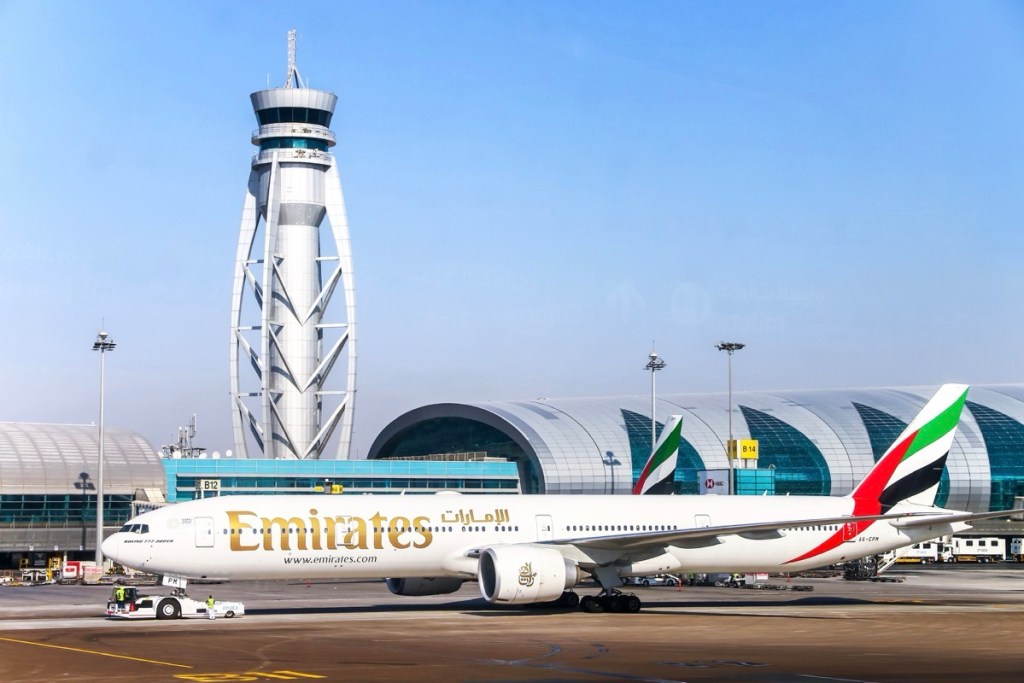
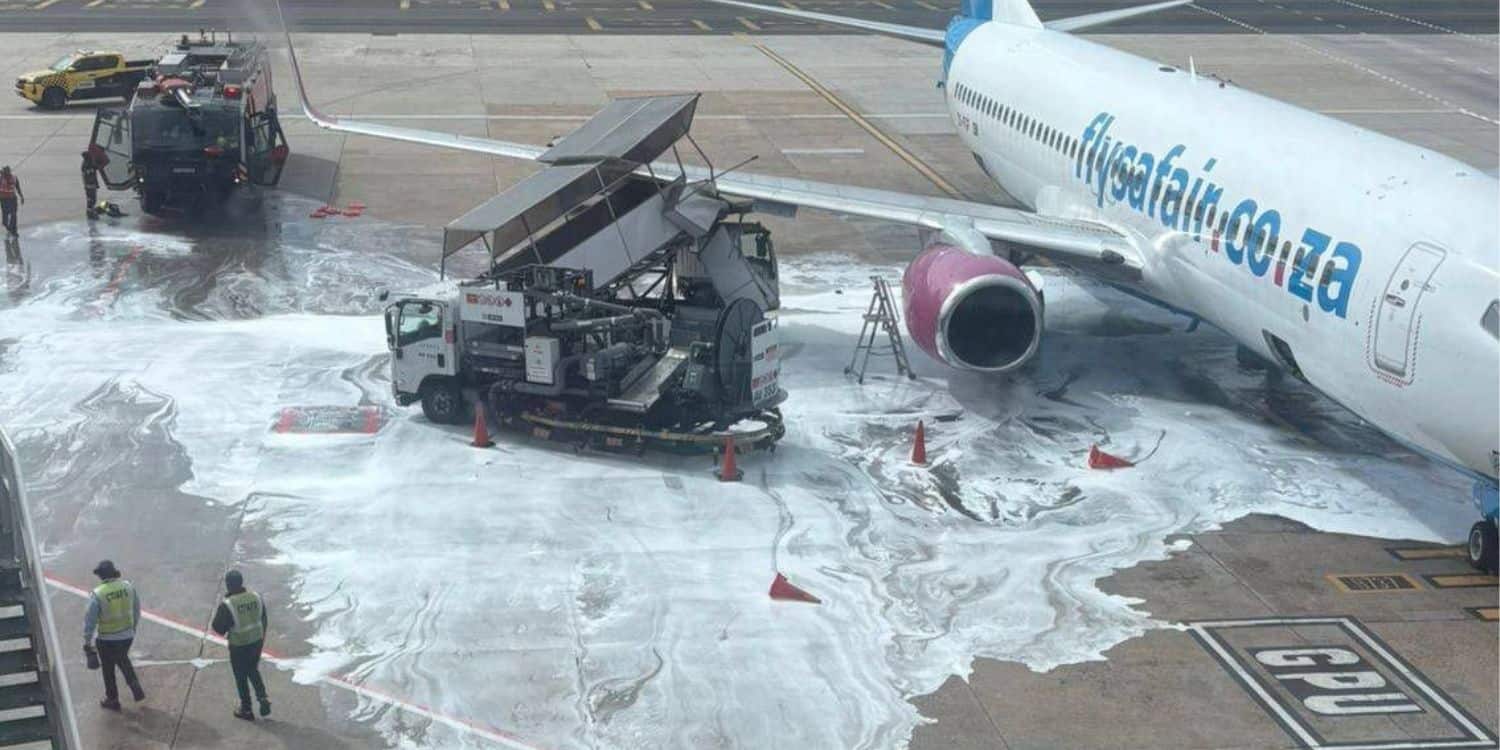
The article reports on an unexpected event where major airlines such as Saudia, Emirates, and FlyDubai have canceled over 20 flights, impacting travelers in key international destinations including Saudi Arabia, the UAE, Seychelles, and India. This disruption highlights the vulnerabilities in the global travel sector, particularly in regions heavily reliant on international air travel. The cancellations underscore the challenges faced by airlines in managing operational disruptions and the broader implications for travelers and the travel industry at large.
Key Points:
Flight Cancellations:Saudia, Emirates, and FlyDubai have collectively canceled multiple flights, affecting travelers across the Middle East, South Asia, and beyond.
Geographical Impact: The cancellations primarily affect travelers in Saudi Arabia, the UAE, Seychelles, and India, indicating a significant regional impact.
Operational Challenges: The event highlights the operational challenges faced by airlines in managing flight schedules, especially during unforeseen circumstances.
Traveler Disruption: The cancellations have led to significant disruptions for travelers, impacting their travel plans and potentially causing financial and logistical challenges.
Actionable Takeaways:
Enhanced Operational Resilience: Airlines should invest in more robust operational resilience strategies to mitigate the impact of unexpected flight cancellations. This includes better forecasting tools, flexible crew scheduling, and contingency plans for route diversions.
Traveler Communication: Airlines must improve communication strategies to promptly inform travelers of cancellations and provide alternative travel options. Transparent and timely communication can help manage traveler expectations and reduce frustration.
Collaboration with Travel Agencies: Airlines and travel agencies should collaborate to offer seamless rebooking options and compensation packages for affected travelers. This can help maintain customer trust and loyalty in the face of disruptions.
Contextual Insights:
The recent flight cancellations by major airlines such as Saudia, Emirates, and FlyDubai reflect broader challenges within the global travel industry. The disruptions underscore the vulnerability of the travel sector to operational and external factors, such as weather conditions, geopolitical tensions, and health crises. As the industry continues to recover from the impacts of the COVID-19 pandemic, such events highlight the need for continuous innovation in travel technology and service delivery.
The article also points to the increasing importance of digital tools and platforms in managing travel disruptions. Innovations in travel tech, such as real-time flight tracking, automated rebooking systems, and enhanced customer support channels, are becoming essential for airlines to maintain operational efficiency and customer satisfaction. Furthermore, the event emphasizes the growing role of fintech solutions in providing financial support and compensation to travelers affected by flight cancellations, reflecting a broader trend towards integrating technology across all aspects of the travel experience.
In conclusion, while the flight cancellations present immediate challenges for affected travelers and airlines, they also serve as a catalyst for the industry to adopt more resilient and innovative practices. By focusing on operational resilience, effective communication, and leveraging technology, the travel sector can better navigate future disruptions and enhance the overall travel experience for its customers.
Comprehensive Summarization: The article discusses the preparations for Africa’s Travel Indaba 2026, set to take place in Durban, KwaZulu-Natal from...