Article Summary:
On November 12, 2025, severe weather disruptions led to the cancellation of 18 flights operated by TAP Air Portugal, Brussels Airlines, and Emirates Airlines across Europe and Asia. This significant disruption has left numerous passengers stranded, highlighting the vulnerabilities in air travel operations during adverse weather conditions. The article underscores the challenges faced by airlines in managing flight schedules amidst severe weather events, emphasizing the need for robust contingency planning and communication strategies to mitigate passenger inconvenience.
Key Points:
Severe Weather Disruptions: TAP Air Portugal, Brussels Airlines, and Emirates Airlines were forced to cancel 18 flights due to severe weather conditions, impacting travelers across Europe and Asia.
Operational Challenges: The cancellations highlight the operational challenges airlines face in maintaining flight schedules during adverse weather, underscoring the need for advanced weather forecasting and contingency planning.
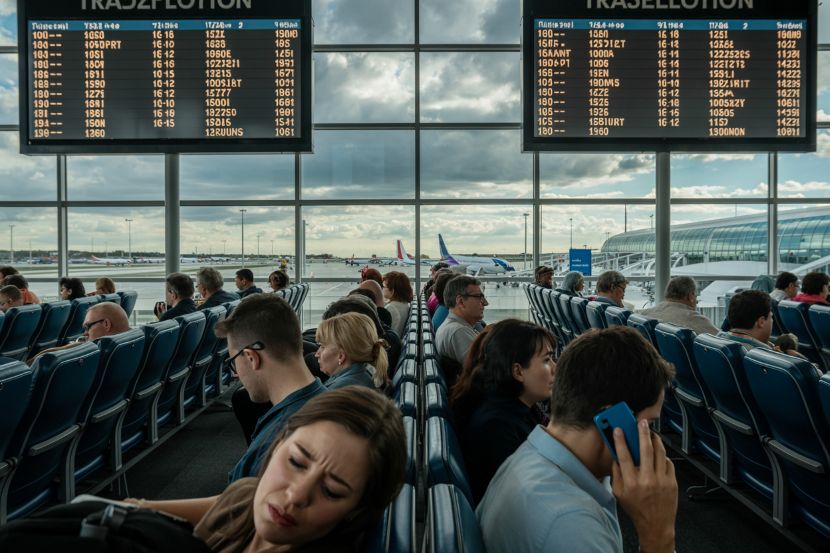
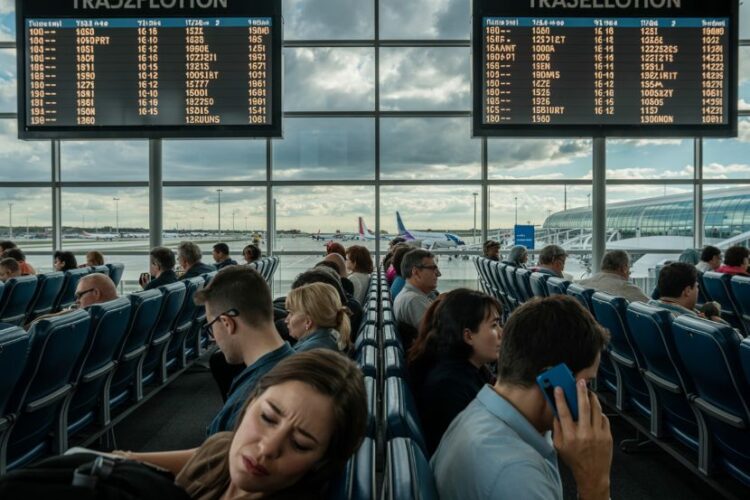
Passenger Impact: The cancellations have left a significant number of passengers stranded, highlighting the importance of effective communication and support mechanisms for affected travelers.
Actionable Takeaways:
Enhanced Weather Monitoring Systems: Airlines should invest in advanced weather monitoring and forecasting systems to better predict and respond to severe weather disruptions. This proactive approach can help in minimizing flight cancellations and improving passenger safety and satisfaction.
Improved Communication Protocols: Airlines must enhance their communication protocols to promptly inform passengers about cancellations and provide alternative travel options. Clear and timely communication can significantly reduce passenger frustration and improve overall travel experience.
Flexible Cancellation Policies: Implementing more flexible cancellation policies can help airlines manage the impact of weather-related disruptions more effectively. Offering passengers the option to reschedule or receive refunds without hefty penalties can enhance customer loyalty and trust.
Contextual Insights:
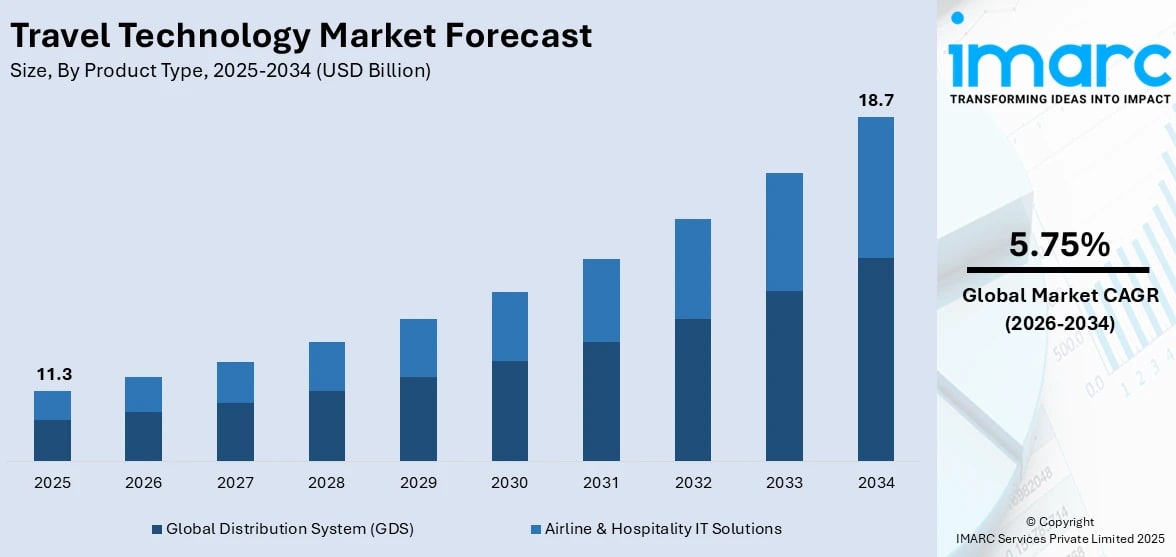
The article reflects the ongoing challenges faced by the travel industry in managing disruptions caused by severe weather. Recent trends indicate an increased frequency and intensity of weather-related events, which necessitate a shift towards more resilient and adaptive operational strategies. Thought leaders in the travel sector emphasize the importance of leveraging technology and data analytics to enhance operational resilience. Innovations in weather forecasting and real-time communication systems are becoming critical for airlines to navigate such disruptions effectively. Additionally, the article aligns with broader industry trends towards digital transformation, where technology plays a pivotal role in ensuring operational continuity and enhancing customer experience during unforeseen events.