





No products in the cart.
- Latest
- Trending

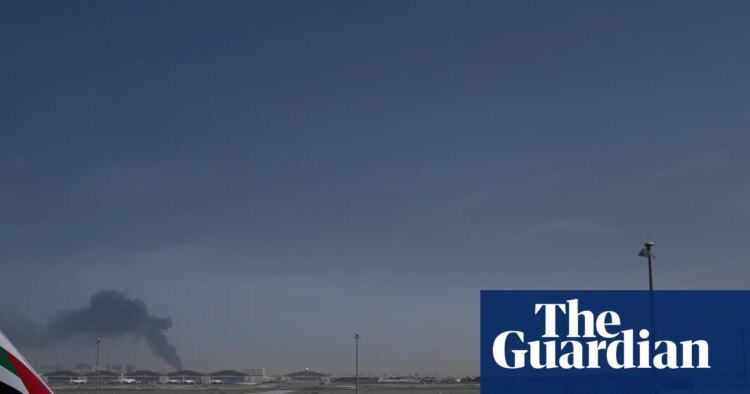
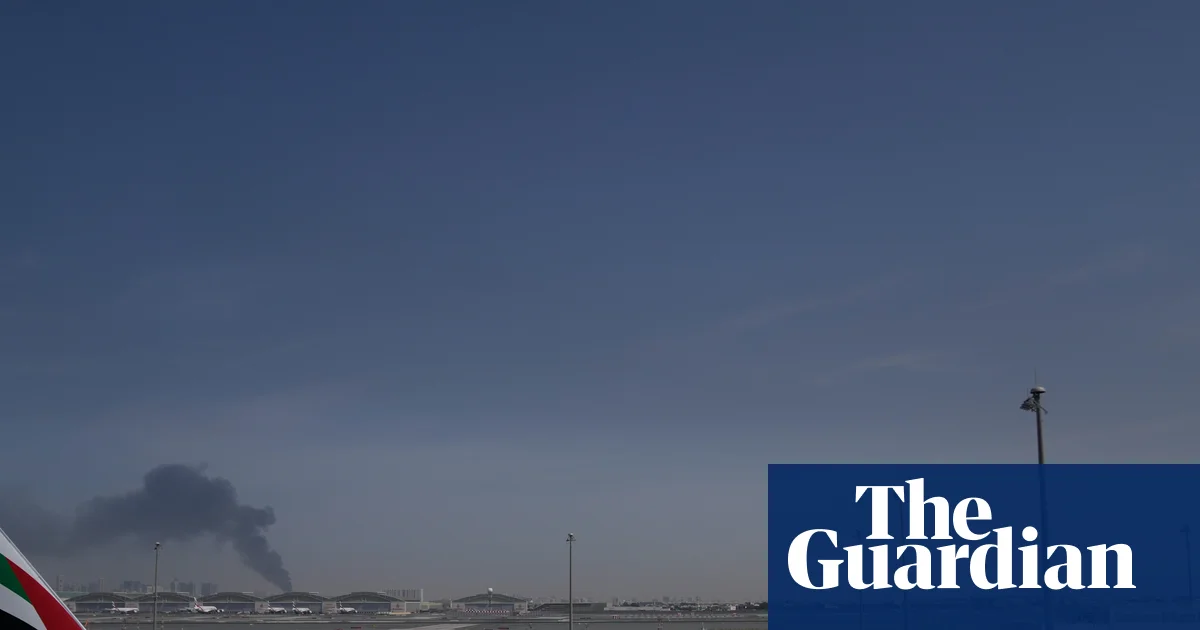
A plume of smoke caused by an Iranian strike is visible behind an Emirates plane parked at Dubai international airport on Sunday. Hundreds of flights have been cancelled since the US and Israel launched their war on Iran. Photograph: Altaf Qadri/AP
Comprehensive Summarization:
The article reports on the escalation of the US-Israel conflict in Iran, which has led to a significant disruption in global air travel. Thousands of additional flights were cancelled on Monday, causing hundreds of thousands of passengers to be stranded. In response, Gulf airports and airlines have suspended all operations until at least 10:00 GMT on Tuesday. This disruption has resulted in sharp declines in airline and travel share prices. Donald Trump has indicated that the conflict could last another four weeks, further exacerbating the situation. Some carriers and travel firms are offering refunds or alternative travel options to affected passengers.
Key Points:
Actionable Takeaways:
Refund and Alternative Travel Options: Airlines and travel firms offering refunds or alternative travel options are directly responding to the disruption caused by the conflict. This is a practical measure to mitigate the impact on stranded passengers and maintain customer trust. It reflects a current industry trend of customer-centric policies during crises.
Market Volatility: The sharp decline in airline and travel share prices indicates market volatility in response to geopolitical events. This highlights the importance of risk management and financial planning in the travel industry, especially during times of international conflict.
Long-term Conflict Impact: The indication that the conflict could last another four weeks suggests a prolonged period of disruption. Travel companies may need to prepare for extended operational challenges, including potential long-term financial impacts and changes in consumer behavior.
Contextual Insights:
The article’s context is deeply rooted in the current geopolitical tensions between the US and Iran, which have a direct impact on international air travel. This situation underscores the vulnerability of the travel industry to global political events. Recent trends indicate that travel companies are increasingly adopting flexible policies and leveraging technology to manage disruptions. For instance, the use of digital platforms for real-time communication with passengers and automated systems for managing refunds and rebooking are becoming more prevalent. These innovations not only help in mitigating the immediate impact of disruptions but also enhance customer satisfaction during crises. Looking forward, the travel industry may see a greater emphasis on resilience planning, including contingency strategies for geopolitical risks, and a continued investment in technology to improve operational agility.
Read the Complete Article.
Get curated travel AI insights — choose the newsletters that matter to you.
ALTOUR Expands into Thailand, Strengthening Corporate Travel Network Across Southeast Asia BANGKOK, THAILAND (25 March, 2026) – ALTOUR, a leading...
Read moreDetails


Comprehensive Summarization: United Airlines experienced significant travel disruptions across the United States, with 44 flights canceled and 835 delayed. This...
Read moreDetails