





No products in the cart.
- Latest
- Trending

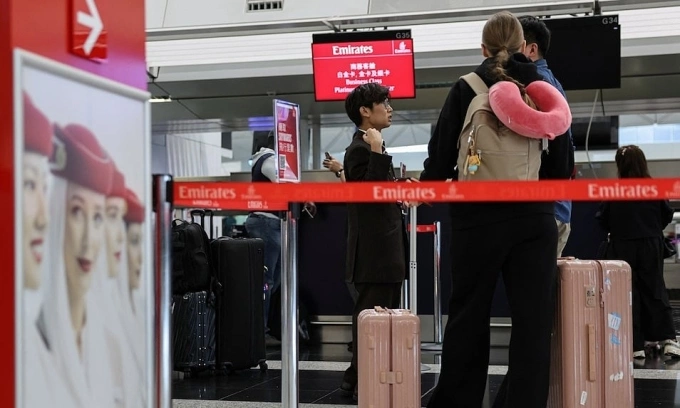
Tourism industry scrambles with fallout following cancellations of 20,000 flights amid Middle East c...
Comprehensive Summarization:
The article highlights the severe disruption caused by strikes in major Persian Gulf hubs, particularly Dubai, the world’s busiest international airport. For the fourth consecutive day, these airports remain closed or severely restricted, leaving tens of thousands of passengers stranded. According to Flightradar24, approximately 21,300 flights have been canceled at seven major airports, including Dubai, Doha, and Abu Dhabi. This disruption has significantly impacted travel across a region that is diversifying away from its oil-dominated economy. The article underscores the challenges faced by business hubs in the area and the broader implications for travel tech, startups, and fintech sectors in the region.
Key Points:
Actionable Takeaways:
Impact on Travel Tech and Startups: The significant flight cancellations and airport closures underscore the vulnerability of travel tech and startups in regions heavily reliant on international air travel. Companies in this sector may need to develop contingency plans for rapid recovery and adapt to increased volatility in travel demand. Relevance: Directly impacts the operational strategies of travel tech companies operating in the region.
Fintech Adaptation: With travel disruptions, there is a heightened need for robust fintech solutions that can facilitate alternative payment methods and financial services for stranded travelers. Fintech firms could innovate in areas such as travel insurance, emergency fund management, and seamless rebooking options. Relevance: Highlights an opportunity for fintech innovations to address immediate and future travel disruptions.
Economic Diversification Efforts: The article emphasizes the region’s efforts to diversify its economy away from oil. The current travel disruptions could either accelerate or hinder these diversification efforts, depending on how quickly the region can recover and adapt its tourism and hospitality sectors. Relevance: Provides insight into the broader economic implications and potential opportunities for regional economic development.
Contextual Insights:
The article reflects the current challenges faced by the travel industry in the Persian Gulf region, particularly in light of recent geopolitical tensions and strikes. The reliance on international air travel for business and leisure has made these hubs particularly susceptible to disruptions. This situation is emblematic of broader trends in the travel industry, where geopolitical events can have cascading effects on travel demand and operational efficiency. Looking forward, the resilience and adaptability of travel tech and fintech sectors will be crucial in navigating such disruptions. Additionally, the region’s efforts to diversify its economy present both challenges and opportunities, as businesses must balance recovery with long-term strategic planning. Expert opinions suggest that proactive measures, such as investing in digital transformation and building resilient supply chains, will be key to mitigating the impact of future disruptions.
Read the Complete Article.
Get curated travel AI insights — choose the newsletters that matter to you.
ALTOUR Expands into Thailand, Strengthening Corporate Travel Network Across Southeast Asia BANGKOK, THAILAND (25 March, 2026) – ALTOUR, a leading...
Read moreDetails


Comprehensive Summarization: United Airlines experienced significant travel disruptions across the United States, with 44 flights canceled and 835 delayed. This...
Read moreDetails