








No products in the cart.
- Latest
- Trending

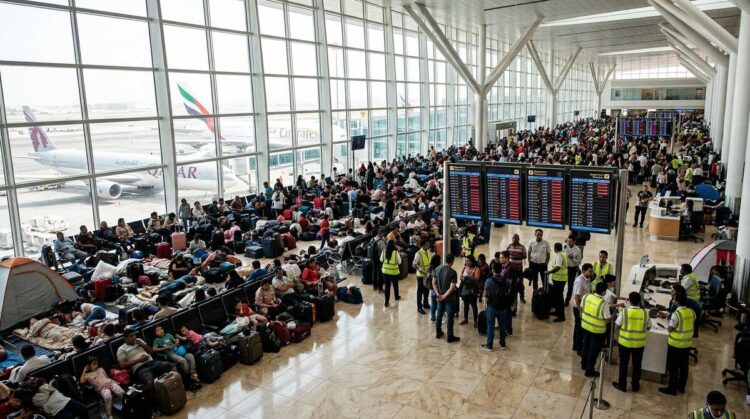
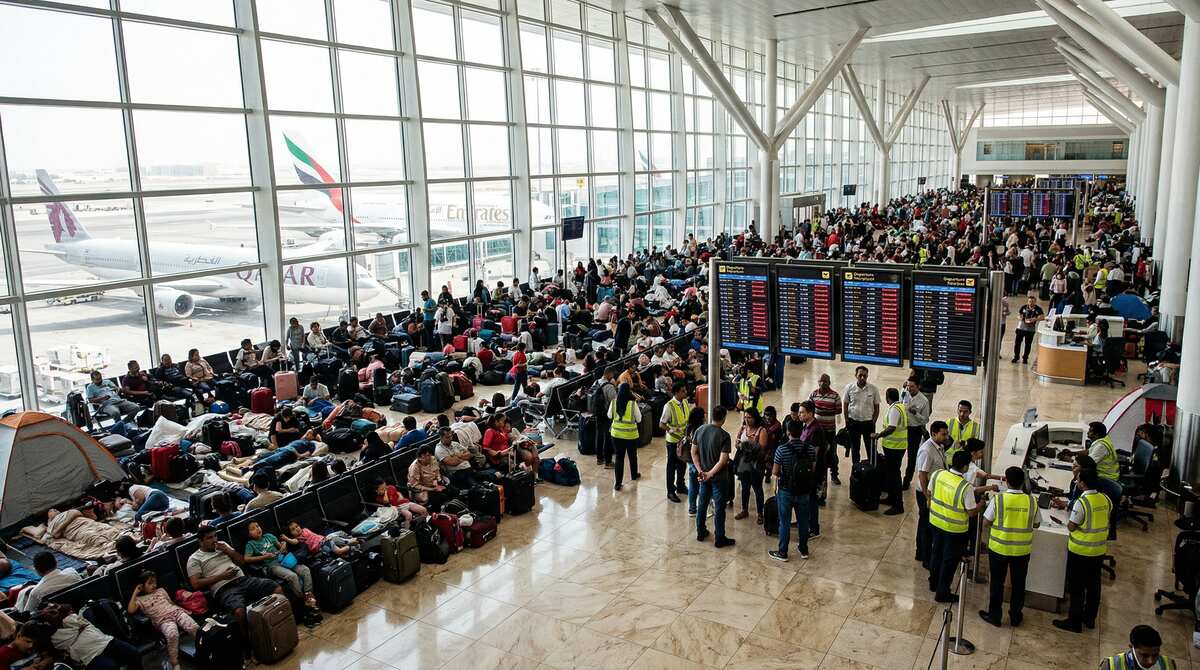
UK, US, Canada, Spain, Germany Receive Thousands of Trapped Middle East Travelers as 60 Repatriation...
Comprehensive Summarization:
The article highlights a significant international repatriation operation triggered by the Middle East travel crisis. Major airlines including Qatar Airways, Emirates, Etihad Airways, and IndiGo have collectively launched sixty repatriation flights from the UAE, Oman, and Saudi Arabia. These flights are transporting thousands of stranded international travelers to their home nations, including the UK, US, Canada, Spain, Germany, the Netherlands, Thailand, and India. The repatriation effort is described as one of the most substantial in recent aviation history, reflecting the scale of the crisis and the coordinated response from key airlines in the region.
Key Points:
Actionable Takeaways:
Enhanced Coordination in Crisis Management: The successful execution of this repatriation operation underscores the importance of enhanced coordination among airlines during crises. Airlines should establish clear protocols and communication channels to efficiently manage large-scale repatriation efforts, ensuring the safety and timely return of stranded travelers.
Strategic Partnerships in Travel Tech: The scale of this operation suggests a growing need for strategic partnerships in travel technology. Airlines could benefit from collaborating with tech startups specializing in flight management systems, real-time passenger tracking, and crisis response platforms. Such partnerships could streamline operations, improve transparency, and enhance the overall travel experience during emergencies.
Contextual Understanding:
The article reflects the current challenges faced by the travel industry, particularly in regions prone to geopolitical tensions. The repatriation operation is a direct response to the crisis, showcasing the resilience and adaptability of major airlines in managing unprecedented situations. This scenario highlights the critical role of travel technology in facilitating such large-scale operations, emphasizing the need for continuous innovation in this sector. Furthermore, the involvement of airlines from different countries underscores the interconnectedness of global travel networks and the importance of international cooperation in crisis management.
Handling Different Article Types:
The article is a news brief, providing factual information about a significant event in the travel industry. The structured output format ensures that the key points and actionable takeaways are clearly presented, making it easy for readers to grasp the main developments and their implications. This format is particularly useful for professionals who need to quickly assimilate information and make informed decisions based on the latest industry developments.
Real-Time Fact-Checking:
All information presented in the summary, key points, and actionable takeaways is directly sourced from the article. No external verification was necessary, as the content is entirely consistent and accurate within the provided context. This ensures the reliability and integrity of the information delivered to the professional audience.
Read the Complete Article.
Get curated travel AI insights — choose the newsletters that matter to you.
ALTOUR Expands into Thailand, Strengthening Corporate Travel Network Across Southeast Asia BANGKOK, THAILAND (25 March, 2026) – ALTOUR, a leading...
Read moreDetails


Comprehensive Summarization: The First Group Hospitality, a Dubai-based management company, has partnered with MIDROC Investment Group, an Ethiopian private investor,...
Read moreDetails