







No products in the cart.
- Latest
- Trending


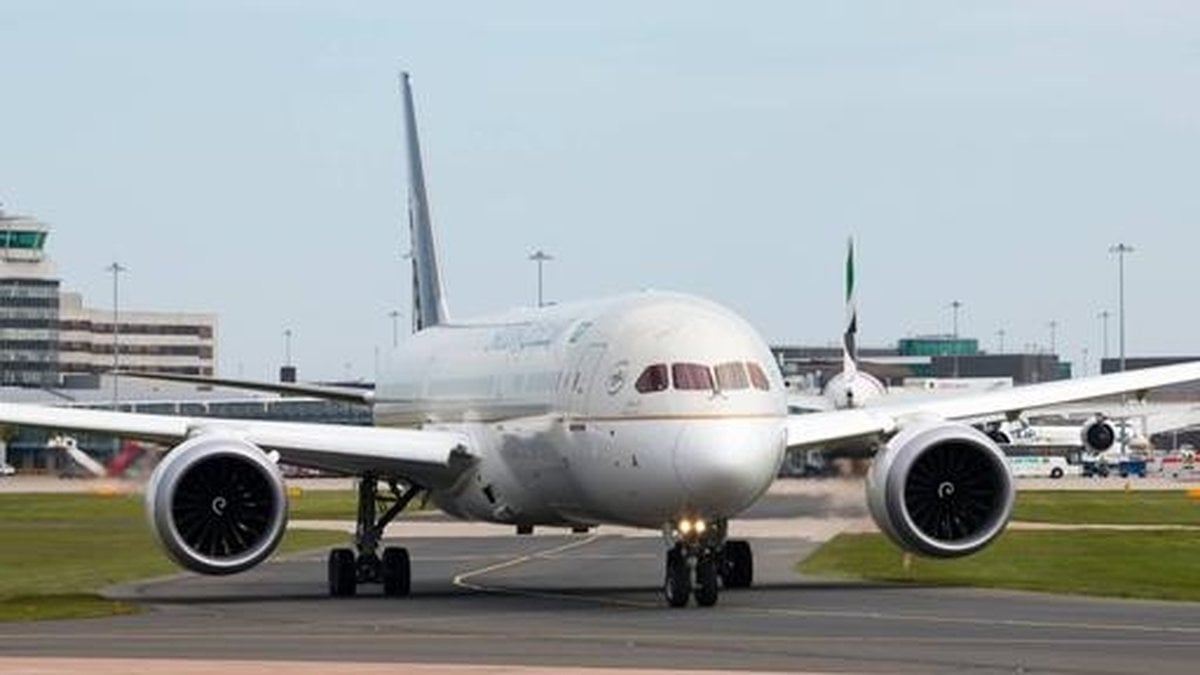
Photo: Vincenzo Pace | Simple Flying
Ethiopian Airlines has firmly refuted claims of attempting to circumvent international sanctions by engaging in "wet-leasing" operations with Russia. The accusations, which emerged recently, suggested that the carrier was using its aircraft and crew to facilitate flights within Russia, thereby potentially violating sanctions imposed on the country.
In a strong rebuttal, Ethiopian Airlines stated unequivocally that they have not entered into any wet-lease agreements with Russian airlines. The company emphasized its commitment to adhering to all international laws, regulations, and sanctions regimes. This denial comes at a critical time for global aviation, as many carriers have ceased operations with Russia following the full-scale invasion of Ukraine in February 2022.
The allegations specifically pointed to the potential use of Ethiopian Airlines’ Boeing 767 aircraft, operated by their own crews, on routes within Russia. This type of arrangement, known as wet-leasing, involves one airline providing an aircraft, crew, maintenance, and insurance to another airline for a specified period. If true, such a practice would allow Russian airlines to continue operations without directly violating sanctions that prohibit the use of Western-made aircraft by sanctioned entities.
Ethiopian Airlines has positioned itself as a key player in African aviation, with an extensive global network. The airline has consistently maintained a policy of strict compliance with international aviation standards and legal frameworks. Their denial of the allegations serves to protect their reputation and their relationships with international partners and regulators.
The situation highlights the complex challenges faced by airlines in navigating the geopolitical landscape. Sanctions regimes can be intricate, and accusations of evasion can have significant consequences for an airline’s operations, partnerships, and access to the global aviation market.
By issuing a clear and direct denial, Ethiopian Airlines aims to dispel any doubts about their operational integrity. The airline’s statement asserts that their engagement in the Russian market, if any, does not involve any breaches of international sanctions. For the broader travel industry, this situation underscores the importance of transparency and due diligence in all international business dealings, particularly in times of geopolitical tension. The focus remains on ensuring that all aviation activities remain compliant with the evolving global regulatory environment.
Read the Complete Article.
Get curated travel AI insights — choose the newsletters that matter to you.
ALTOUR Expands into Thailand, Strengthening Corporate Travel Network Across Southeast Asia BANGKOK, THAILAND (25 March, 2026) – ALTOUR, a leading...
Read moreDetails


Comprehensive Summarization: The article highlights a growing trend in the travel industry, particularly in Nashville's Davidson County and Memphis's Shelby...
Read moreDetails