







No products in the cart.
- Latest
- Trending


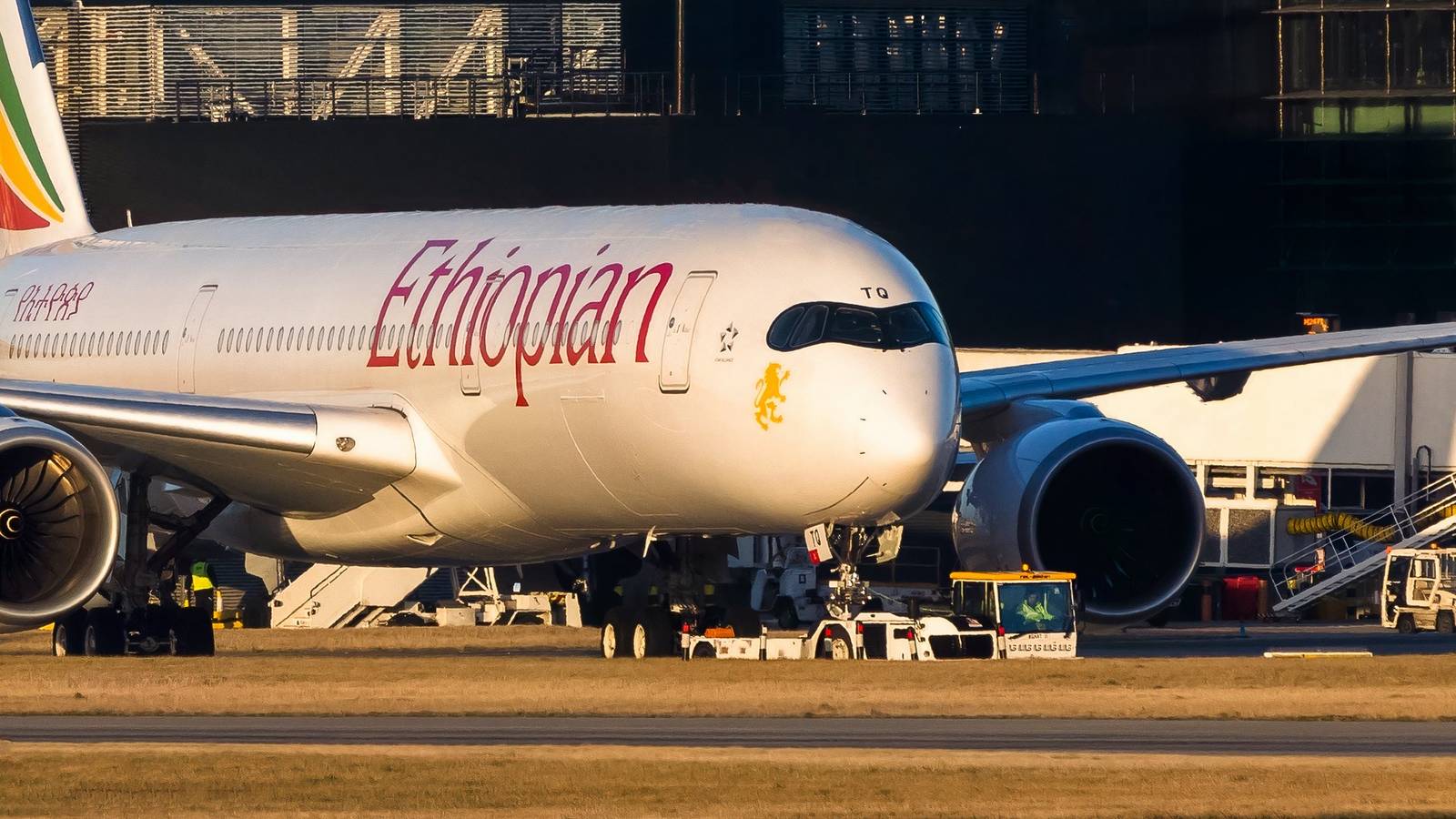
Ethiopian Airlines Launches Europe's Shortest Airbus A350 Flights
Article Summary:
Ethiopian Airlines, Africa’s largest carrier, has announced its latest European destination, Lyon, via Geneva. This new route, covering just 53 nautical miles each way, will become Europe’s shortest Airbus A350 operation and the shortest scheduled widebody service. The article highlights this development within the context of the travel industry, noting the competitive landscape for such a short route and the implications for travel tech and logistics.
Key Points:
Actionable Takeaways:
Contextual Insights:
The addition of Lyon to Ethiopian Airlines’ European network is a strategic move that reflects broader trends in the travel industry towards optimizing routes for efficiency and cost-effectiveness. As airlines seek to maximize profitability while minimizing operational expenses, the focus on short-haul, high-frequency routes becomes increasingly significant. This development aligns with current industry trends emphasizing the importance of technological integration and strategic route planning. For startups and established players alike, the emphasis on such niche routes presents both challenges and opportunities, particularly in leveraging advanced travel tech to enhance operational efficiency and customer experience. The article also hints at the potential for fintech innovations in route optimization and pricing strategies, suggesting a forward-looking perspective on how technology can further transform the travel sector.
Read the Complete Article.
Get curated travel AI insights — choose the newsletters that matter to you.
This spot is reserved for brands with a compelling story for the travel trade. They use this space to cut...
Read moreDetailsALTOUR Expands into Thailand, Strengthening Corporate Travel Network Across Southeast Asia BANGKOK, THAILAND (25 March, 2026) – ALTOUR, a leading...
Read moreDetails


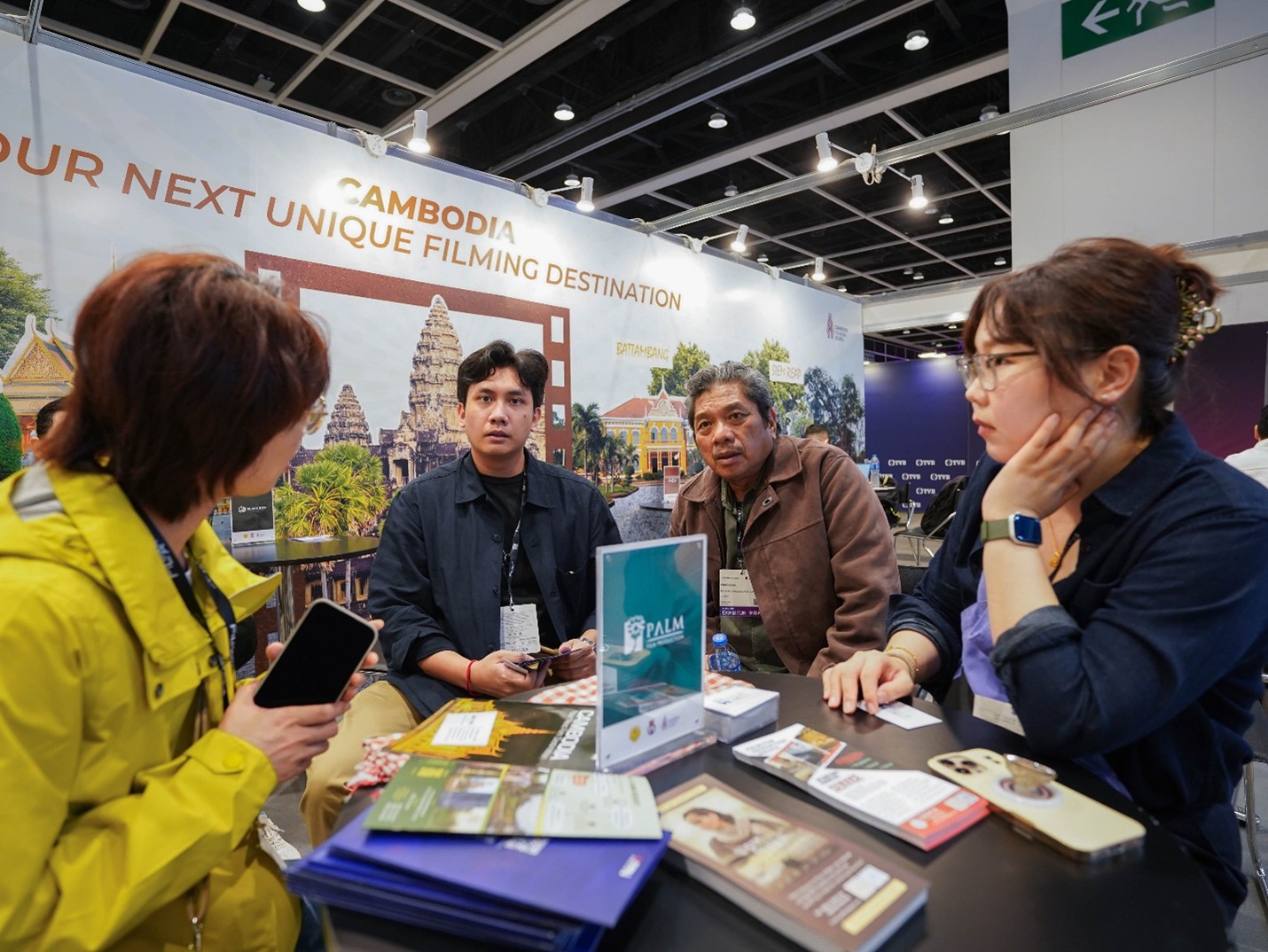
Comprehensive Summarization: The Cambodia Tourism Board (CTB), in collaboration with the Department of Cinema and Cultural Diffusion (CDDC), represented Cambodia...
Read moreDetails