







No products in the cart.
- Latest
- Trending


Ethiopian Airlines Expands Saudi Arabia Reach with New Jizan Route for African Travelers
Article Summary:
Ethiopian Airlines is set to expand its Middle East network by introducing a new route to Jizan, Saudi Arabia, in early 2026. This addition will bring the total number of destinations Ethiopian Airlines serves in Saudi Arabia to five, enhancing connectivity between East Africa and the Gulf region. This strategic move aligns with the airline’s broader strategy to strengthen its presence in the Middle East and cater to the growing demand for such routes.
Key Points:
Actionable Takeaways:
Contextual Insights:
The expansion of Ethiopian Airlines’ Middle East network is a strategic move that aligns with current industry trends towards global connectivity and regional expansion. As travel demand continues to grow, airlines are increasingly looking to diversify their routes to capture new markets and meet consumer demand. This expansion also reflects the broader trend of airlines leveraging technology and partnerships to enhance their service offerings and operational efficiency. For travel startups and fintech companies, this presents a fertile ground for innovation, particularly in areas that can support airlines in their expansion efforts, such as seamless booking experiences, integrated payment solutions, and enhanced customer service platforms. By aligning with these industry trends, startups can position themselves to capitalize on the opportunities presented by the evolving travel landscape.
Read the Complete Article.
Get curated travel AI insights — choose the newsletters that matter to you.
This spot is reserved for brands with a compelling story for the travel trade. They use this space to cut...
Read moreDetailsALTOUR Expands into Thailand, Strengthening Corporate Travel Network Across Southeast Asia BANGKOK, THAILAND (25 March, 2026) – ALTOUR, a leading...
Read moreDetails


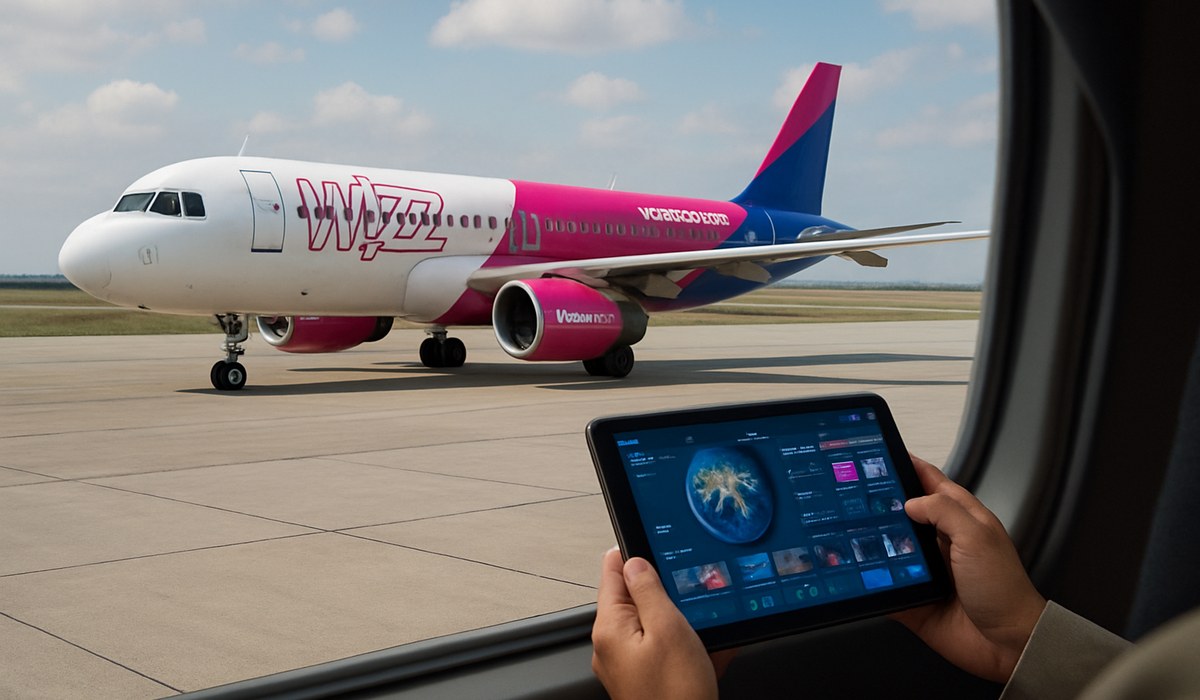
Comprehensive Summarization: Wizz Air, a low-cost carrier based in Budapest, Hungary, has announced a significant upgrade to its digital cabin...
Read moreDetails