








No products in the cart.
- Latest
- Trending

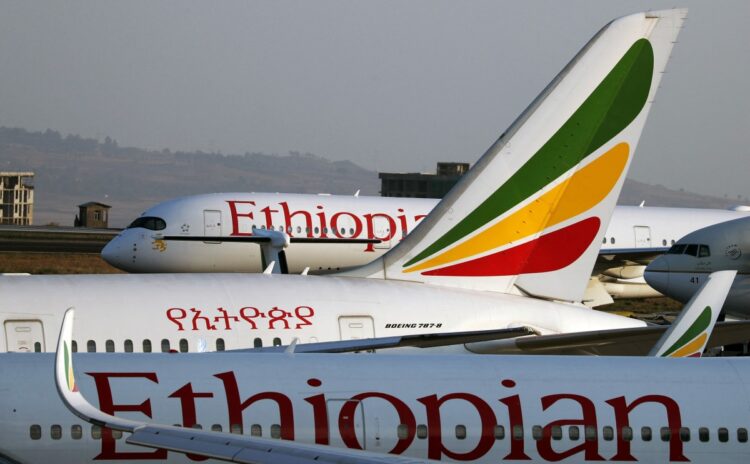
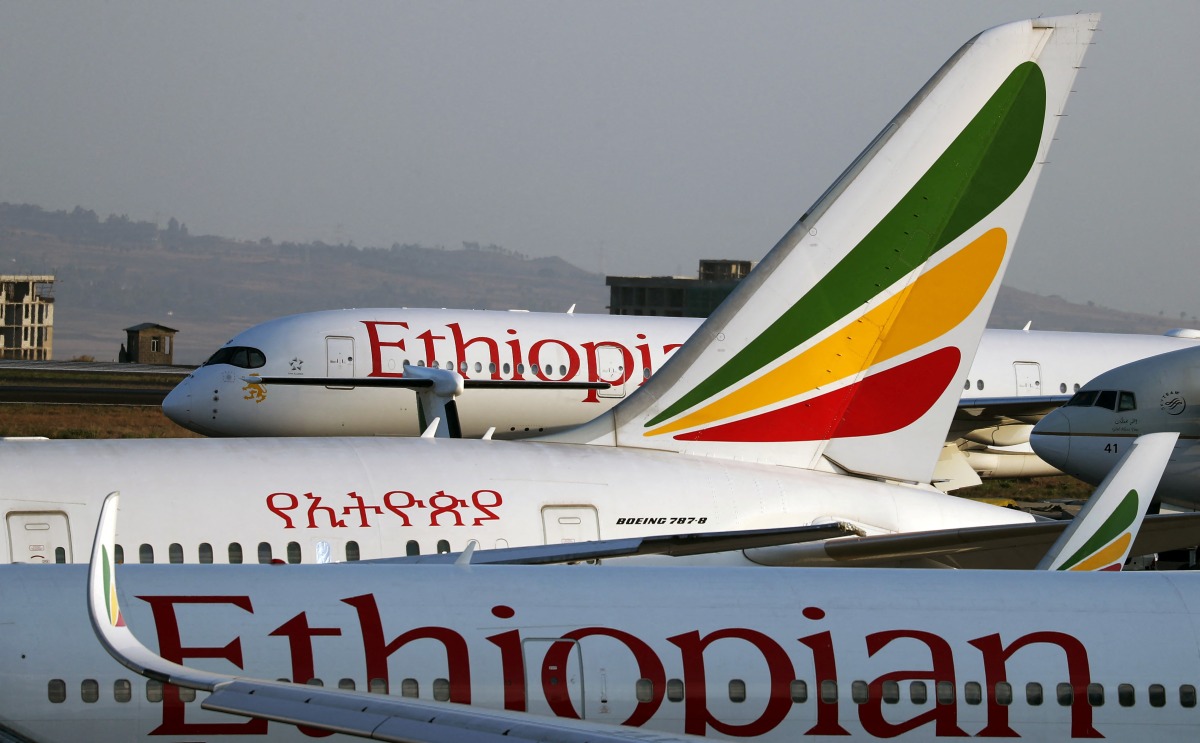
Ethiopian Airlines resumes flights to destinations in Middle East
Comprehensive Summarization:
Ethiopian Airlines, Africa’s largest flight carrier, has resumed flights to several Middle Eastern destinations following weeks of disruption caused by regional conflict. The airline has reinstated services to key destinations in the United Arab Emirates, including Dubai, Abu Dhabi, and Sharjah, as well as a daily flight to Dammam in Saudi Arabia. Group CEO Mesfin Tasew announced these resumptions, highlighting the airline’s commitment to restoring operations in the region. The article also references the need to stay updated with the latest travel trends and insights from industry thought leaders to navigate the evolving travel landscape effectively.
Key Points:
Actionable Takeaways:
Restoration of Middle Eastern Routes: Ethiopian Airlines’ resumption of flights to Dubai, Abu Dhabi, Sharjah, and Dammam signifies a significant step in restoring international connectivity in the region. This development is crucial for businesses and travelers looking to maintain or expand their operations in the Middle East. It underscores the airline’s strategic importance in the African and Middle Eastern travel markets.
Commitment to Recovery: Mesfin Tasew’s statement about the airline’s commitment to restoring operations highlights the airline’s resilience and strategic foresight. This commitment can serve as a benchmark for other airlines facing similar disruptions, emphasizing the importance of proactive recovery strategies in the face of geopolitical challenges.
Contextual Insights:
The resumption of Ethiopian Airlines’ flights to the Middle East is a timely development, especially considering the current geopolitical tensions in the region. This move not only restores vital air links but also signals a broader recovery in the travel sector, which has been severely impacted by recent conflicts. From a travel tech perspective, this development presents opportunities for innovation in route optimization, digital booking platforms, and customer experience enhancements. The airline’s strategic focus on Middle Eastern destinations also aligns with the growing trend of intra-African and Middle Eastern travel, driven by increasing connectivity and economic cooperation within the region. As the travel industry continues to evolve, such strategic resumptions and investments in key markets will likely shape future travel trends and innovations.
Read the Complete Article.
Get curated travel AI insights — choose the newsletters that matter to you.
ALTOUR Expands into Thailand, Strengthening Corporate Travel Network Across Southeast Asia BANGKOK, THAILAND (25 March, 2026) – ALTOUR, a leading...
Read moreDetails


Comprehensive Summarization: Vietjet SkyJoy, a frequent flyer program operated by GalaxyJoy on behalf of Vietjet Air, has significantly expanded its...
Read moreDetails