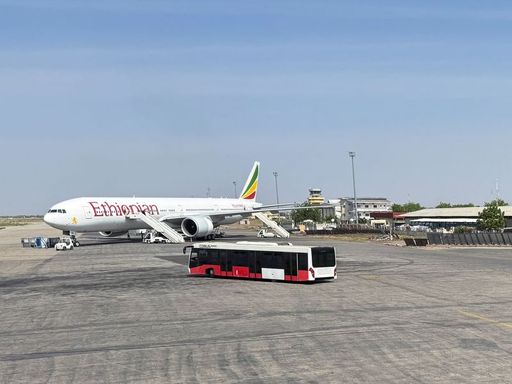
Ethiopian Airlines has announced the resumption of flights to the northern Tigray region, following a suspension that occurred due to clashes between regional and national forces. These clashes, which have raised concerns about potential renewed conflict, occurred amidst a two-year war between Ethiopia’s national army and the Tigray People’s Liberation Front. The war, which concluded in late 2022, resulted in significant loss of life and socio-economic disruption, with researchers estimating hundreds of thousands of casualties due to direct violence, the collapse of healthcare systems, and famine. The resumption of flights is a significant development, indicating a potential easing of tensions and a return to normalcy in the region’s travel and logistics sectors.
Key Points:
Ethiopian Airlines has resumed flights to the northern Tigray region.
The resumption follows a suspension due to clashes between regional and national forces.
The conflict in Tigray lasted for two years until late 2022.
The war resulted in hundreds of thousands of casualties through direct violence, healthcare collapse, and famine.
The return to flight operations suggests a potential easing of tensions in the region.
Actionable Takeaways:
Economic Recovery and Tourism Potential: The resumption of flights to Tigray presents a significant opportunity for economic recovery and tourism in the region. As travel restrictions ease, there is potential for increased visitor numbers, which could boost local economies through hospitality, transportation, and other related services. This development aligns with broader travel industry trends emphasizing the importance of reopening routes to stimulate economic activity post-conflict.
Focus on Healthcare and Infrastructure Recovery: The article highlights the severe impact of the conflict on healthcare systems and infrastructure. For travel startups and fintech innovators, there is a clear opportunity to focus on solutions that support healthcare recovery and infrastructure rebuilding. This could include mobile health services, logistics platforms for delivering medical supplies, and fintech tools for funding reconstruction projects. Such innovations could play a crucial role in addressing the immediate needs of the region and supporting long-term recovery.
Contextual Insights:
The resumption of flights to Tigray is a critical development in the context of the ongoing global travel industry recovery. Recent trends indicate a cautious but steady return to pre-pandemic travel levels, with a particular emphasis on safety and security. The article’s context of post-conflict recovery aligns with these broader trends, underscoring the importance of security and stability in driving travel demand. Furthermore, the integration of travel tech solutions to support recovery efforts reflects the industry’s ongoing shift towards digitalization and innovation. Thought leaders in the travel sector are increasingly advocating for the use of technology to enhance safety, streamline operations, and improve the traveler experience, particularly in regions recovering from conflict. This article serves as a practical example of how travel tech can be leveraged to address real-world challenges and contribute to sustainable recovery in affected areas.