




No products in the cart.
- Latest
- Trending

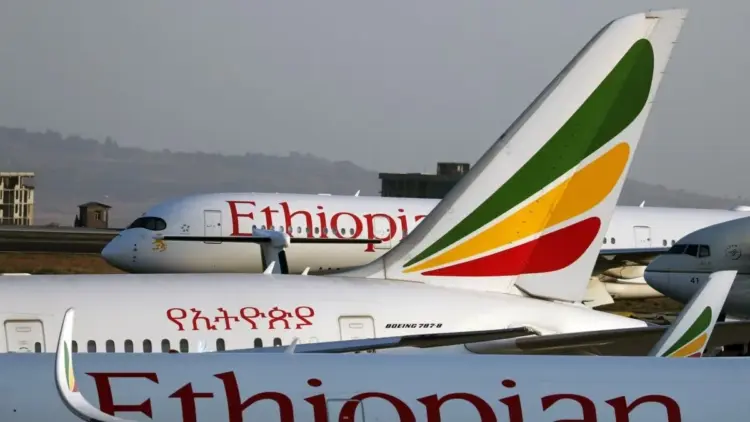
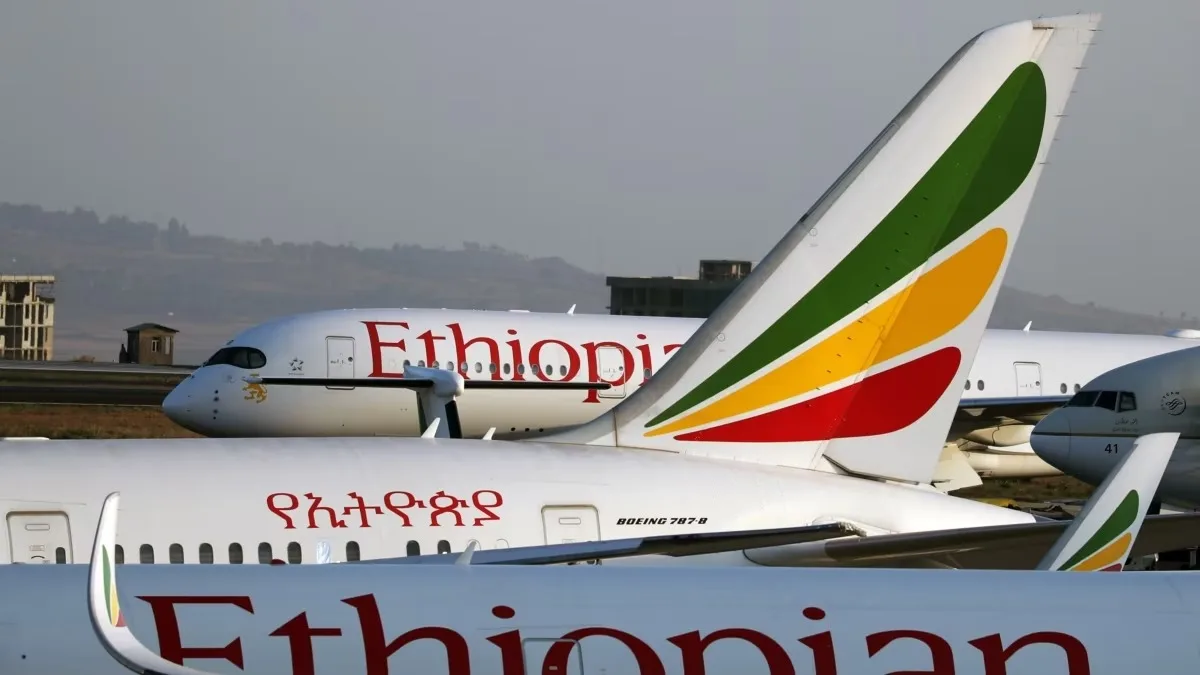
Israel–Iran War Costs Ethiopian Airlines $137M Weekly
Comprehensive Summarization:
Ethiopian Airlines is experiencing significant financial strain due to the Israel–Iran conflict, which has led to widespread airspace closures and flight disruptions across the Middle East. The airline reports losing up to $137 million per week as a result of the crisis, which has forced it to cancel over 101 flights. This disruption highlights the vulnerability of the travel industry to geopolitical tensions and underscores the need for robust contingency planning in travel logistics.
Key Points:
Actionable Takeaways:
Diversify Routes and Partnerships: Airlines should consider diversifying their route networks and forming strategic partnerships with other carriers to mitigate the impact of geopolitical disruptions. This can help ensure continuity of service and reduce financial losses during crises.
Invest in Flexible Ticketing Options: Offering flexible ticketing options, such as refundable or changeable fares, can provide customers with reassurance during uncertain times. This can help maintain customer loyalty and minimize revenue losses due to cancellations.
Enhance Digital Communication: Airlines should leverage digital communication channels to keep passengers informed about flight status changes and disruptions in real-time. Transparent communication can help manage passenger expectations and reduce the negative impact of cancellations on customer satisfaction.
Contextual Insights:
The current conflict between Israel and Iran has underscored the travel industry’s susceptibility to geopolitical tensions. As airlines face unprecedented challenges such as airspace closures and flight cancellations, the importance of agile and resilient operational strategies becomes paramount. The crisis highlights the need for travel companies to invest in technologies that enable real-time tracking of flight statuses and passenger communications. Furthermore, the situation emphasizes the growing significance of fintech solutions in managing financial risks associated with travel disruptions. By adopting innovative financial tools and flexible ticketing options, airlines can better navigate the uncertainties brought about by geopolitical events, ensuring they remain competitive and resilient in the face of adversity.
Read the Complete Article.
Get curated travel AI insights — choose the newsletters that matter to you.
ALTOUR Expands into Thailand, Strengthening Corporate Travel Network Across Southeast Asia BANGKOK, THAILAND (25 March, 2026) – ALTOUR, a leading...
Read moreDetails


Comprehensive Summarization: Lufthansa has submitted a non-binding bid for a minority stake in TAP Air Portugal, following Air France-KLM's similar...
Read moreDetails