







No products in the cart.
- Latest
- Trending

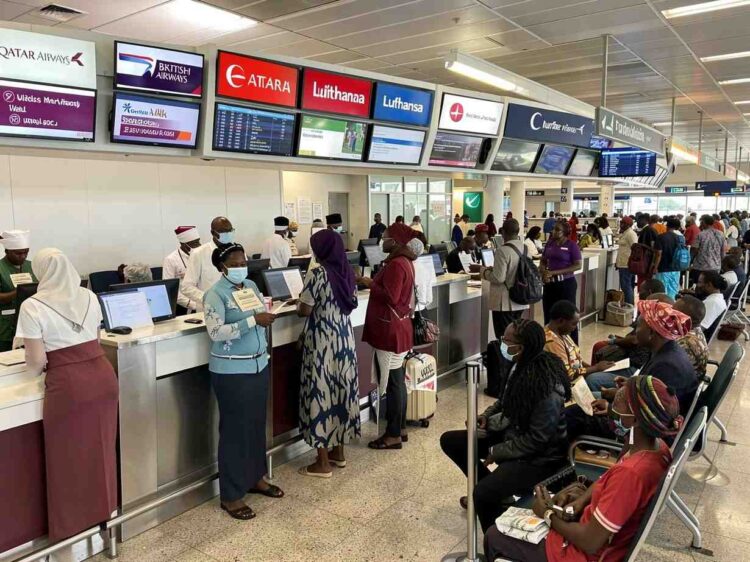
Qatar Airways, British Airways, Lufthansa, KLM, Virgin Atlantic, EgyptAir, Ethiopian Airlines & Turk...
Comprehensive Summarization:
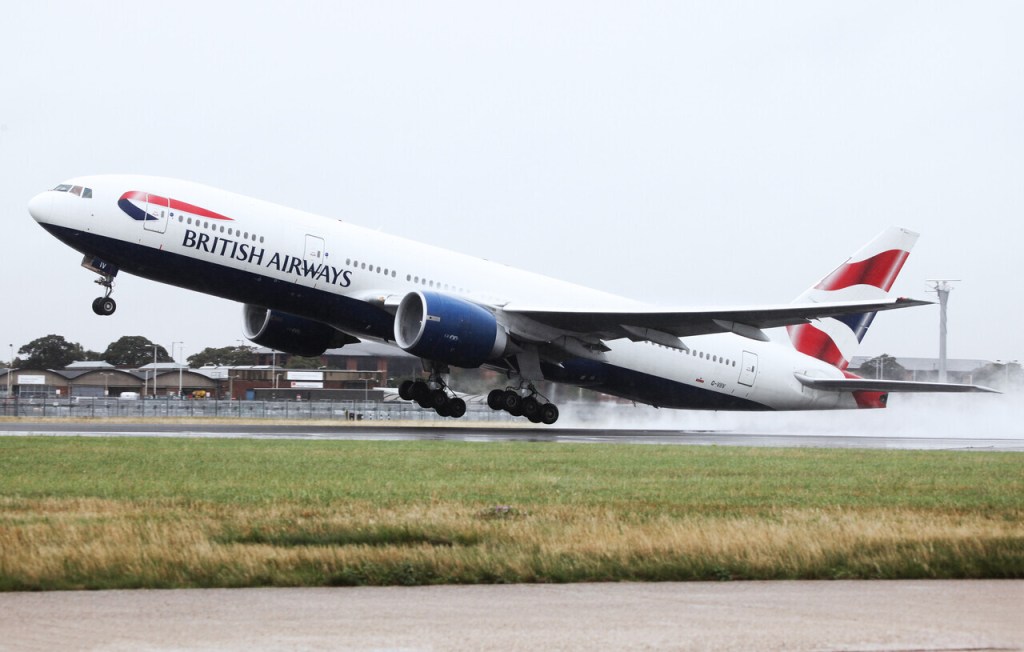
In a significant development, major international airlines including Qatar Airways, British Airways, Lufthansa, KLM, Virgin Atlantic, EgyptAir, Ethiopian Airlines, and Turkish Airlines are facing a debt recovery ultimatum from the Nigerian government amounting to N19 billion (approximately $100 million). This move has raised concerns among UK, German, Dutch, Middle Eastern, and African tourists, as well as the airlines’ Nigerian partners. The article highlights the potential ripple effects on tourism and the hospitality sector in these regions, emphasizing the need for stakeholders to reassess their strategies in light of this financial pressure.
Key Points:
Actionable Takeaways:
Diversify Revenue Streams: Airlines and travel partners should explore diversifying revenue streams to mitigate risks associated with debt recovery ultimatums. This could include increasing partnerships with alternative tourism markets or enhancing ancillary services.
Enhance Customer Communication: Airlines should improve communication with customers regarding potential disruptions or changes in service due to financial constraints. Transparent communication can help manage expectations and maintain customer trust.
Strengthen Financial Resilience: Stakeholders in the travel industry should focus on strengthening their financial resilience by improving cash flow management, reducing debt, and exploring financing options. This proactive approach can help mitigate the impact of external financial pressures.
Contextual Insights:
The debt recovery ultimatum against these major airlines reflects broader economic challenges faced by the global travel industry, particularly in regions heavily reliant on international tourism. The Nigerian government’s action highlights the vulnerability of the travel sector to sovereign debt issues and the need for robust financial governance. This situation is indicative of a larger trend where financial stability in one part of the world can have cascading effects on interconnected industries, such as tourism and hospitality.
In the context of current travel trends, the emphasis on financial resilience and customer communication aligns with the growing importance of digital transformation and customer-centric strategies in the travel sector. Thought leaders emphasize the need for airlines and travel companies to leverage technology for real-time communication and to offer flexible booking options that can adapt to changing economic conditions. This article serves as a timely reminder of the importance of strategic financial planning and customer engagement in navigating the complexities of the modern travel industry.
Handling Different Article Types:
The article in question is a news blurb, providing factual information about a significant event in the travel industry. The structured output format ensures that the key points and actionable takeaways are clearly presented, making it easy for readers to digest and apply the information. For opinion pieces or feature articles, the approach would involve extracting the main arguments or insights and providing a deeper analysis based on the provided context, ensuring that the content remains factually accurate and aligned with the article’s original intent.
Read the Complete Article.
Get curated travel AI insights — choose the newsletters that matter to you.
ALTOUR Expands into Thailand, Strengthening Corporate Travel Network Across Southeast Asia BANGKOK, THAILAND (25 March, 2026) – ALTOUR, a leading...
Read moreDetails


Comprehensive Summarization: Coway Co Ltd, a Korean company dominating the air quality sector in Asia, is highlighted as a stable...
Read moreDetails