








No products in the cart.
- Latest
- Trending


Russia Turns to Ethiopian Airlines for Aircraft Amid Western Sanctions
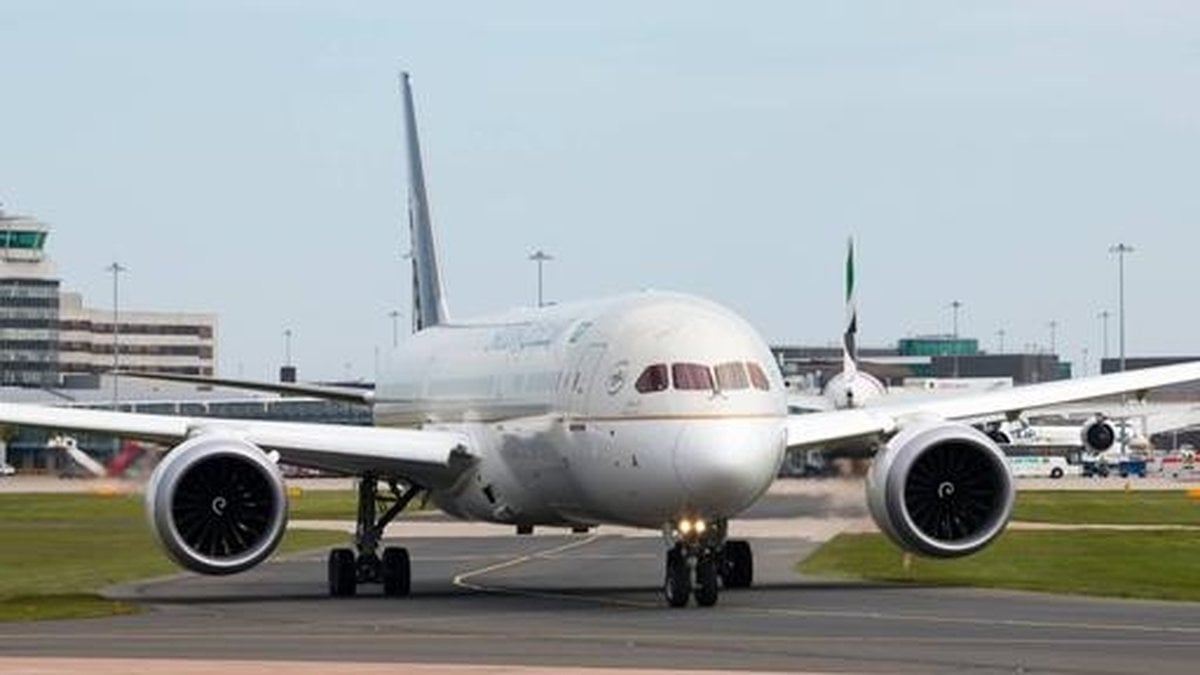
In a significant development highlighting the global impact of Western sanctions, Russia is reportedly turning to Ethiopian Airlines for a crucial lifeline: aircraft. As Russia grapples with the inability to access Western-made aircraft and spare parts due to ongoing international pressure, a new partnership with the East African aviation giant could offer a vital solution for its struggling airline industry.
The article from Addison Insight suggests a potential agreement where Ethiopian Airlines would lease aircraft to Russian carriers. This move comes at a critical juncture for Russia’s aviation sector, which has been heavily reliant on Boeing and Airbus planes. The sanctions have not only grounded a significant portion of Russia’s fleet due to parts shortages but also severely hampered its ability to maintain and expand its operations.
Ethiopian Airlines, known for its extensive network and modern fleet, including a substantial number of Boeing aircraft, is strategically positioned to fill this void. The airline’s position as a major player on the African continent and its existing relationships with global manufacturers could make it a key facilitator in circumventing some of the direct impacts of the sanctions on Russia. This potential lease agreement could involve a range of aircraft types, providing much-needed capacity for Russian airlines to continue domestic and potentially some international routes.
For Ethiopian Airlines, this partnership represents a significant business opportunity, potentially generating substantial revenue and strengthening its global standing. It also underscores the airline’s resilience and its ability to adapt to evolving geopolitical landscapes. By engaging with Russia, Ethiopian Airlines could be seen as navigating a complex international environment, prioritizing commercial interests while adhering to international regulations as much as possible.
The implications of this arrangement are far-reaching. It could help stabilize Russia’s aviation industry, preventing a complete collapse and maintaining connectivity within the vast country. Furthermore, it may signal a shift in global aviation alliances, as countries seek alternative solutions outside of traditional Western-dominated supply chains. This development could also have ripple effects on aircraft manufacturing and leasing markets, demonstrating the growing influence of non-Western aviation hubs.
The success of such a venture will hinge on several factors, including the legal and regulatory frameworks governing international aircraft leasing, the willingness of aircraft manufacturers to indirectly supply parts, and the overall geopolitical stability. However, as Russia continues to face isolation, partnerships like the one reportedly being explored with Ethiopian Airlines will likely become increasingly important for maintaining its critical infrastructure.
The article does not mention specific revenue numbers, KPI’s, or precise data points regarding the potential lease agreement between Ethiopian Airlines and Russia. However, the core information and implicit takeaways are:
Read the Complete Article.
Get curated travel AI insights — choose the newsletters that matter to you.
ALTOUR Expands into Thailand, Strengthening Corporate Travel Network Across Southeast Asia BANGKOK, THAILAND (25 March, 2026) – ALTOUR, a leading...
Read moreDetails


Comprehensive Summarization: The article highlights a growing trend in the travel industry, particularly in Nashville's Davidson County and Memphis's Shelby...
Read moreDetails