








No products in the cart.
- Latest
- Trending

Uganda Airlines Turns to Ethiopian Airlines for Dreamliner Lease to Restore Long-Haul Operations
Comprehensive Summarization:
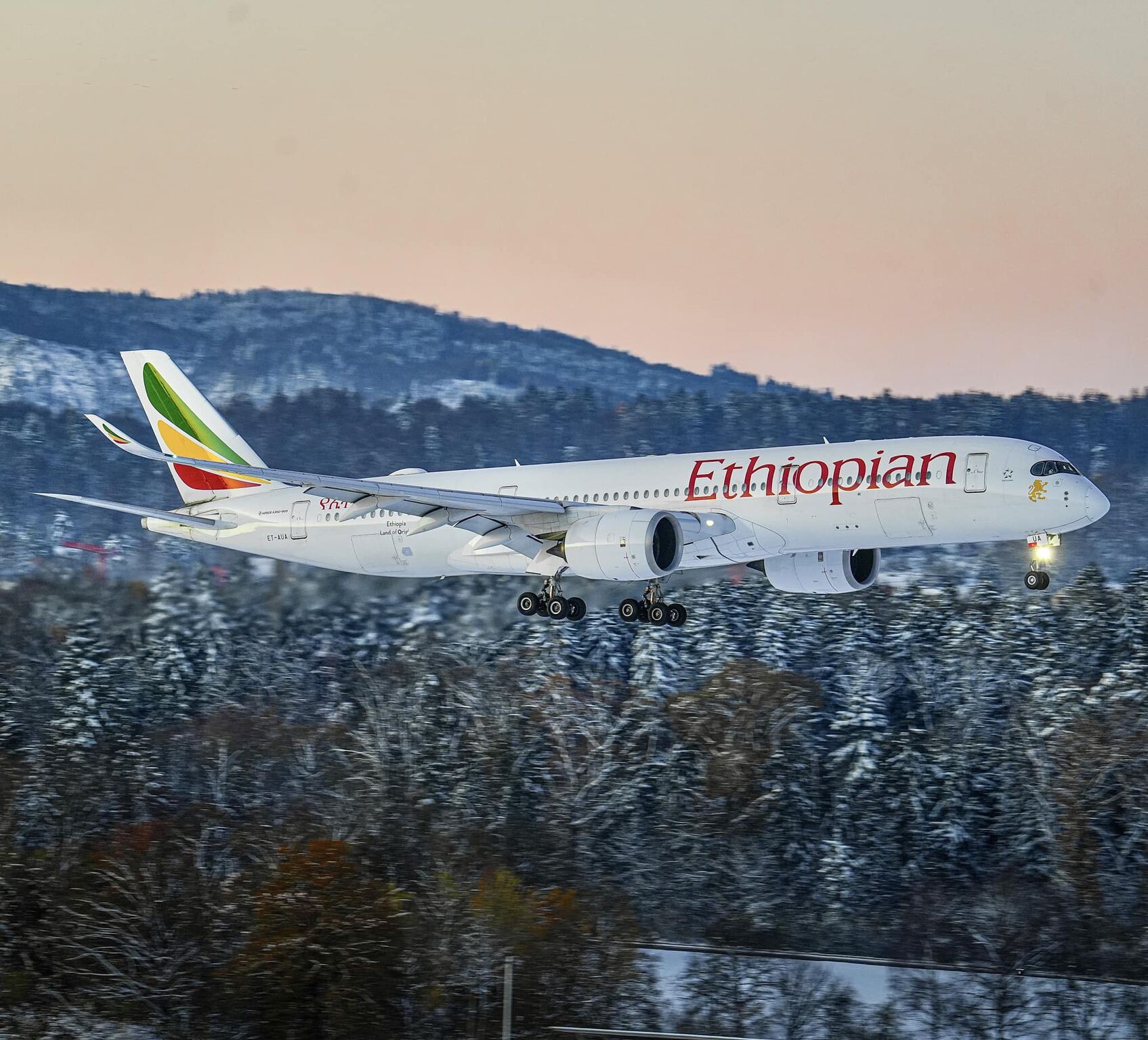
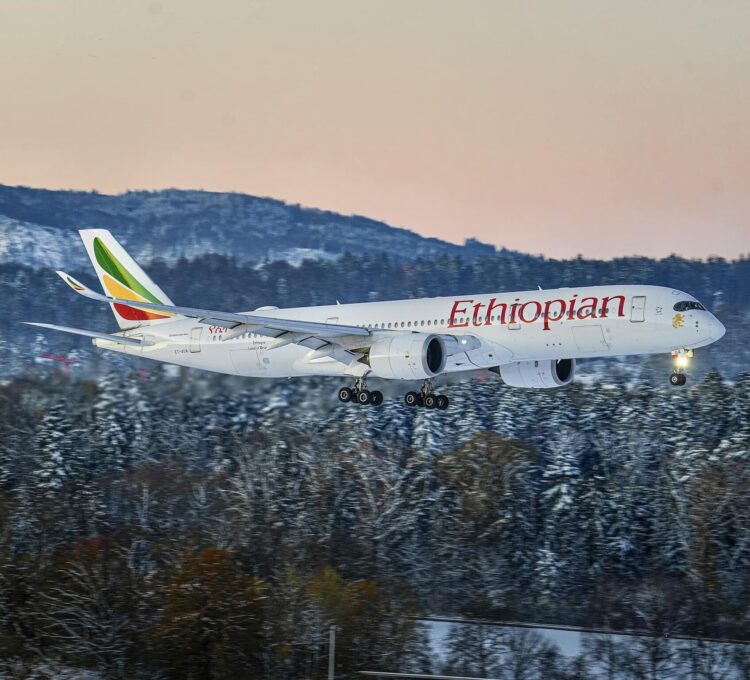
Uganda Airlines has secured a temporary wide-body aircraft from Ethiopian Airlines through an Aircraft, Crew, Maintenance and Insurance (ACMI) lease for a Boeing 787-8 Dreamliner. This move is part of the airline’s strategy to stabilize its disrupted long-haul network and safeguard valuable airport slots following the grounding of its Airbus A330 fleet. The deal is designed to support international operations while Uganda Airlines addresses maintenance issues with its current fleet. This strategic move reflects the airline’s efforts to navigate through operational challenges and maintain its position in the competitive travel market.
Key Points:
Actionable Takeaways:
Strategic Aircraft Leasing as a Solution for Operational Disruptions: Uganda Airlines’ decision to lease a Boeing 787-8 Dreamliner from Ethiopian Airlines demonstrates a proactive approach to managing operational disruptions. This strategy allows the airline to maintain its international operations and safeguard valuable airport slots, ensuring continuity in service delivery. For other airlines facing similar challenges, this could serve as a model for leveraging temporary aircraft leasing as a solution to mitigate the impact of fleet grounding or maintenance issues.
Importance of Maintenance Management in Airline Operations: The grounding of Uganda Airlines’ Airbus A330 fleet underscores the critical role of maintenance management in airline operations. This incident highlights the need for airlines to have robust maintenance protocols and contingency plans to address unexpected fleet issues. For airlines and aviation stakeholders, this takeaway emphasizes the importance of investing in comprehensive maintenance strategies to ensure fleet reliability and operational resilience.
Contextual Insights:
The article’s context is deeply rooted in the current challenges faced by the aviation industry, particularly the impact of fleet grounding and maintenance issues on airline operations. Recent trends indicate a growing emphasis on operational resilience and strategic resource management in the travel sector. The use of aircraft leasing as a temporary solution reflects a broader industry trend towards flexibility and adaptability in the face of unforeseen disruptions. Moreover, the focus on maintaining airport slots and international operations highlights the interconnected nature of global air travel networks and the importance of strategic partnerships in navigating operational challenges. From a forward-looking perspective, this situation underscores the need for continuous innovation in travel tech and operational management to enhance resilience and adaptability in the face of evolving industry dynamics.
Read the Complete Article.
Get curated travel AI insights — choose the newsletters that matter to you.
ALTOUR Expands into Thailand, Strengthening Corporate Travel Network Across Southeast Asia BANGKOK, THAILAND (25 March, 2026) – ALTOUR, a leading...
Read moreDetails


Comprehensive Summarization: The First Group Hospitality, a Dubai-based management company, has partnered with MIDROC Investment Group, an Ethiopian private investor,...
Read moreDetails