



No products in the cart.
- Latest
- Trending


Comprehensive Summarization:
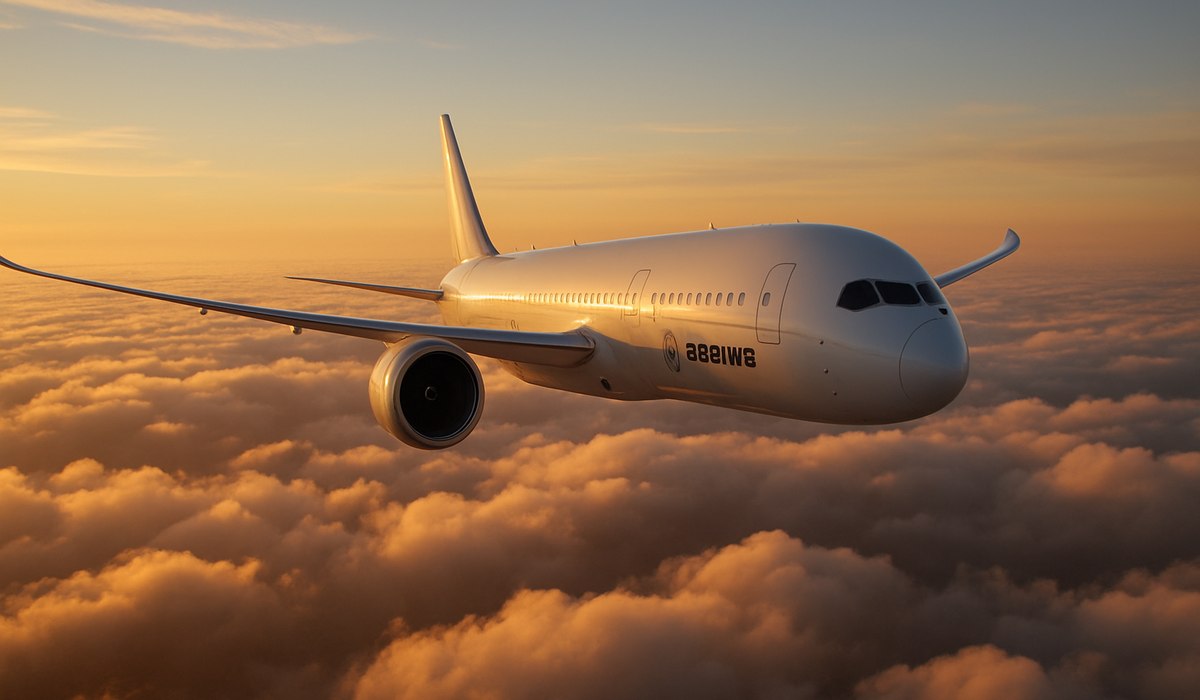
Uganda Airlines has announced a strategic partnership with Ethiopian Airlines to wet lease a Boeing 787-8 aircraft for its long-haul operations. This move is detailed on Aviation Week Network, highlighting the collaboration between two major airlines to enhance their long-distance flight capabilities. The partnership signifies a trend in the aviation industry where airlines are increasingly opting for wet leasing to manage fleet expansion without significant capital investment. This development is particularly relevant in the context of the global aviation sector’s ongoing recovery from pandemic-related disruptions, where airlines are seeking flexible and cost-effective solutions to expand their networks and improve service offerings.
Key Points:
Actionable Takeaways:
Strategic Fleet Expansion: Airlines can leverage wet leasing to expand their long-haul capabilities without the burden of significant capital investment. This approach allows for flexibility in fleet management and can be a strategic response to market demands or operational needs.
Enhanced Service Offerings: By acquiring additional aircraft through wet leasing, airlines can enhance their service offerings, potentially increasing market share and improving customer satisfaction by offering more routes and improved flight schedules.
Market Adaptation: The wet lease agreement reflects the industry’s adaptation to post-pandemic travel trends, where flexibility and cost-efficiency are paramount. Airlines are increasingly exploring partnerships and leasing options to navigate the evolving travel landscape.
Contextual Insights:
The wet lease of a Boeing 787-8 by Uganda Airlines to Ethiopian Airlines underscores a broader trend in the aviation industry towards flexible fleet management solutions. In the wake of the COVID-19 pandemic, airlines have faced unprecedented challenges, including reduced demand, operational constraints, and financial pressures. Wet leasing offers a pragmatic solution to these challenges by allowing airlines to access new aircraft and routes without the long-term commitment and financial risk associated with purchasing new aircraft.
Moreover, this partnership highlights the growing importance of strategic alliances and collaborations in the aviation sector. By pooling resources and sharing costs, airlines can achieve economies of scale and improve operational efficiency. This trend is likely to continue as the industry seeks to recover and adapt to new normalcy, with a focus on sustainability, technological innovation, and enhanced customer experiences.
In conclusion, Uganda Airlines’ wet lease of a Boeing 787-8 from Ethiopian Airlines represents a forward-thinking approach to fleet management in the current travel industry context. It exemplifies the industry’s shift towards flexibility, cost-efficiency, and strategic partnerships, setting a precedent for how airlines can navigate future challenges and opportunities.
Read the Complete Article.
Get curated travel AI insights — choose the newsletters that matter to you.
ALTOUR Expands into Thailand, Strengthening Corporate Travel Network Across Southeast Asia BANGKOK, THAILAND (25 March, 2026) – ALTOUR, a leading...
Read moreDetails

Chiang Mai, Thailand — August 14, 2023 In short: Thailand launches ocean air, sunrise yoga, and long beach walk wellness...
Read moreDetails