





No products in the cart.
- Latest
- Trending


Stranded Passengers Face Chaos as 10 Flights Cancelled and 85 delayed Across Jeddah, Doha, Dubai, Sh...
Article Summary:
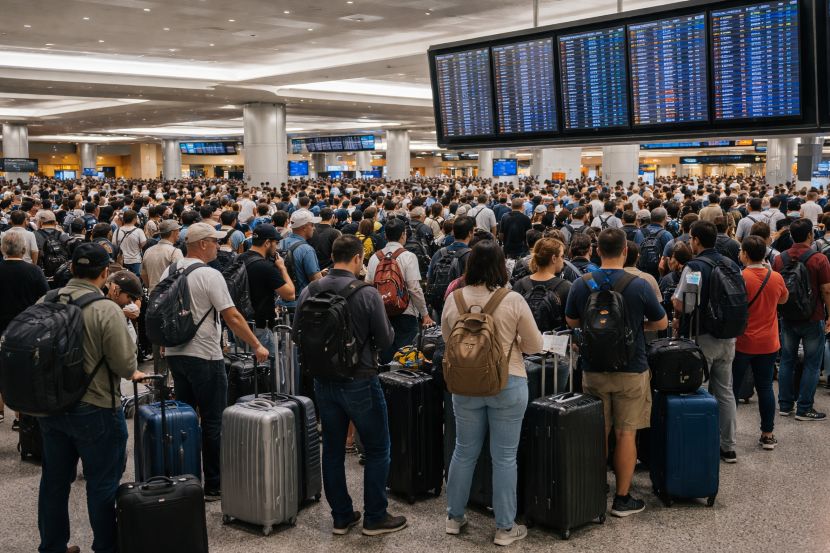
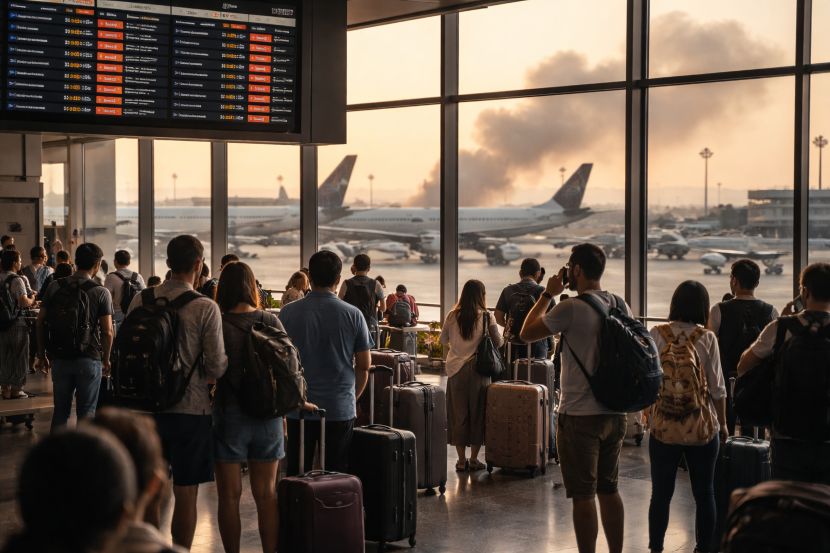
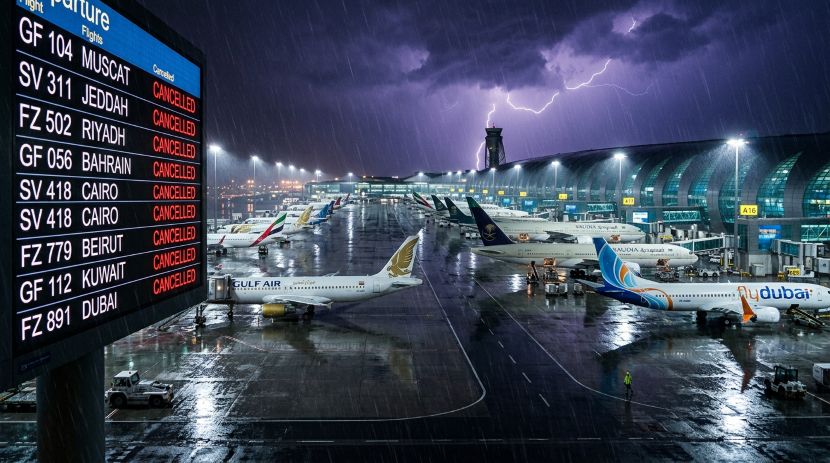
On November 16, 2025, the travel industry in the Middle East faced significant disruptions as multiple airlines, including Saudia, FlyDubai, Air Arabia, and Royal Jordanian, canceled 10 flights and delayed 85 others across key destinations such as Jeddah, Doha, Dubai, Sharjah, and Kuwait. This disruption affected travel plans to major destinations like Amman and Maastricht, causing considerable chaos for stranded passengers.
Key Points:
Actionable Takeaways:
Contextual Insights:
The recent cancellations and delays underscore the vulnerabilities in the Middle East’s air travel infrastructure, particularly in handling unexpected operational challenges. This incident highlights the importance of real-time communication and operational resilience in maintaining passenger trust and satisfaction. As the travel industry continues to evolve, integrating cutting-edge travel tech solutions and fostering a culture of proactive management will be crucial for airlines to navigate future disruptions effectively. The current situation also emphasizes the need for airlines to invest in technologies that can provide predictive insights, enabling them to preemptively address potential issues before they escalate.
Read the Complete Article.
Get curated travel AI insights — choose the newsletters that matter to you.
This spot is reserved for brands with a compelling story for the travel trade. They use this space to cut...
Read moreDetailsALTOUR Expands into Thailand, Strengthening Corporate Travel Network Across Southeast Asia BANGKOK, THAILAND (25 March, 2026) – ALTOUR, a leading...
Read moreDetails


Comprehensive Summarization: Marriott Bonvoy, the travel programme of Marriott International, has announced a strategic partnership with Ethiopian Airlines, Africa's largest...
Read moreDetails