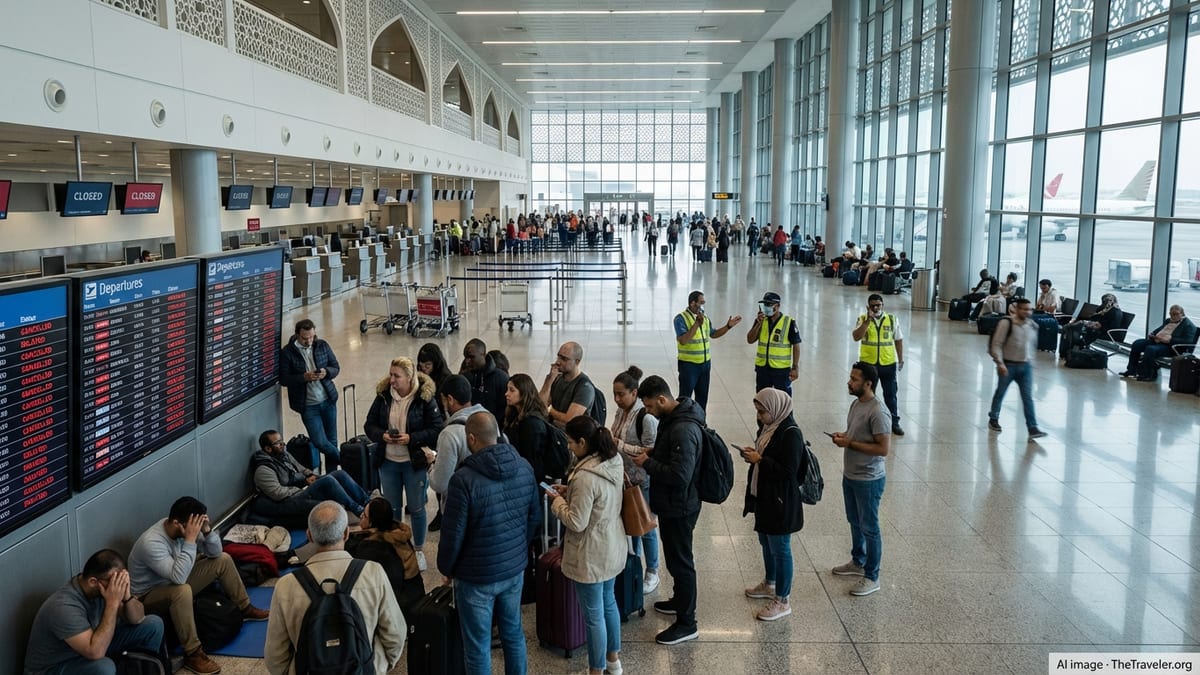
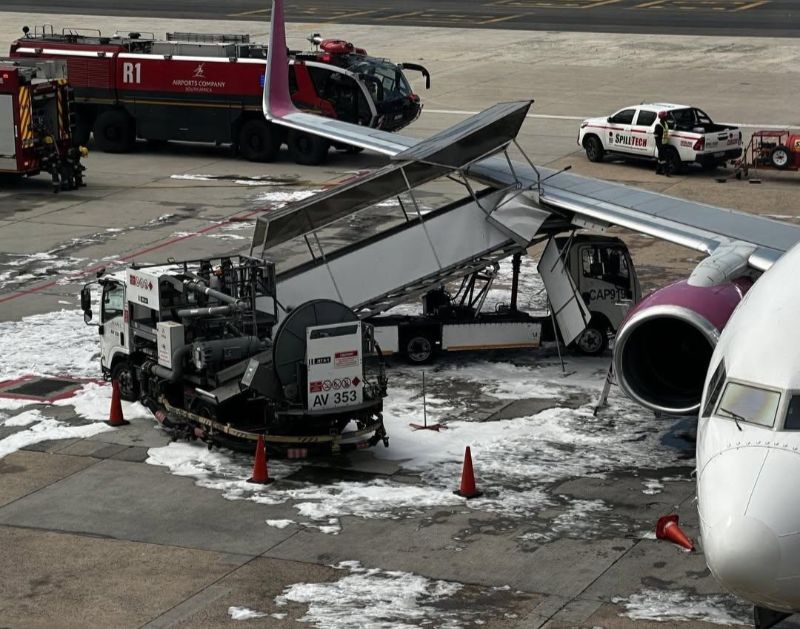
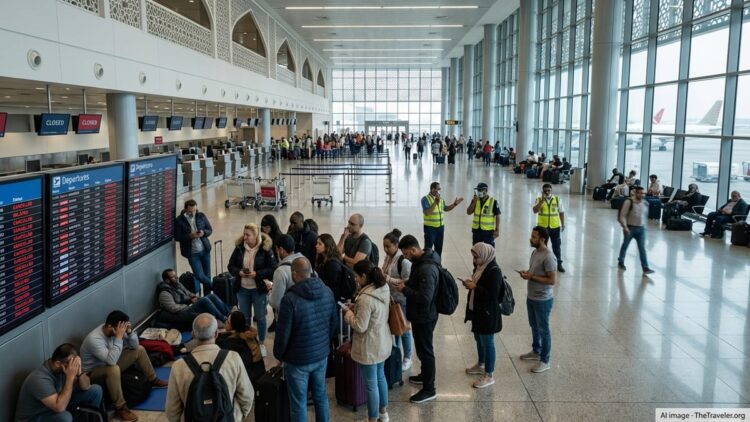
The article reports on significant disruptions faced by passengers connecting through Dubai International Airport this week. FlyDubai, Emirates, and Gulf Air were among the hardest hit carriers, collectively experiencing 116 delays and five cancellations on services linking Dubai with London, New Delhi, Cairo, and Sydney. The disruption highlights ongoing challenges in the aviation sector, particularly in managing flight schedules and ensuring passenger safety and satisfaction amidst operational issues.
Key Points:
Flight Disruptions: FlyDubai, Emirates, and Gulf Air collectively reported 116 delays and five cancellations on key routes connecting Dubai with major international hubs.
Affected Routes: The disruptions impacted flights to London, New Delhi, Cairo, and Sydney, indicating widespread operational challenges.
Operational Challenges: The article underscores the difficulties airlines face in maintaining schedule integrity, which is crucial for passenger trust and operational efficiency.
Actionable Takeaways:
Enhanced Operational Planning: Airlines should invest in advanced flight management systems to better predict and mitigate potential disruptions. This could involve predictive analytics to anticipate weather impacts or air traffic congestion, thereby reducing delays and cancellations.
Improved Passenger Communication: Airlines must enhance communication strategies to keep passengers informed about delays and cancellations. Real-time updates via mobile apps or SMS can significantly improve passenger satisfaction and reduce anxiety associated with travel disruptions.
Focus on Customer Experience Recovery: Post-disruption, airlines should prioritize customer service to recover from the negative impact on brand reputation. Offering compensation, upgrades, or additional services can help mitigate the long-term effects of operational issues.
Contextual Understanding:
The disruptions at Dubai International Airport reflect broader challenges within the global aviation industry, where operational efficiency and passenger experience are paramount. Recent trends indicate a growing emphasis on technological solutions to enhance flight operations and passenger communication. Innovations in travel tech, such as AI-driven scheduling and real-time tracking systems, are becoming increasingly vital for airlines to maintain competitive advantage and meet evolving customer expectations. The article aligns with current industry trends emphasizing the importance of resilience and adaptability in travel operations, particularly in managing unforeseen challenges like weather disruptions or operational delays.
Handling Different Article Types:
The article is a news brief, providing factual information about flight disruptions and their impact on key routes. The analysis adheres strictly to the facts presented, focusing on operational challenges, key affected routes, and actionable insights for the industry. No opinion pieces or feature articles are involved, ensuring the output remains factual and directly sourced from the article’s content.