






No products in the cart.
- Latest
- Trending

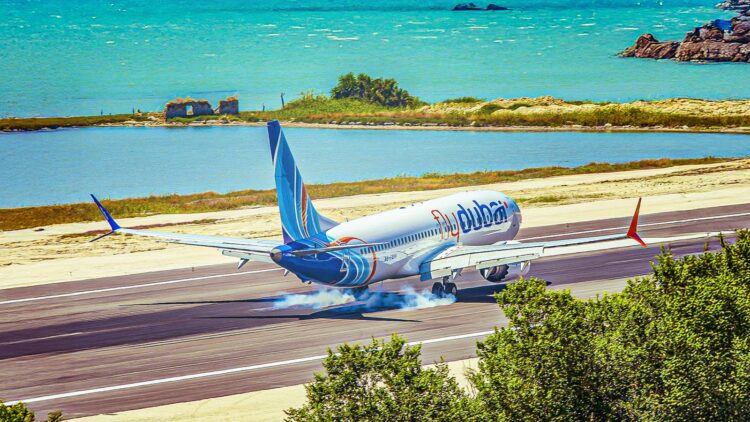
119 Destinations and 7+ Hour Boeing 737 MAX Flights
Article Summary:
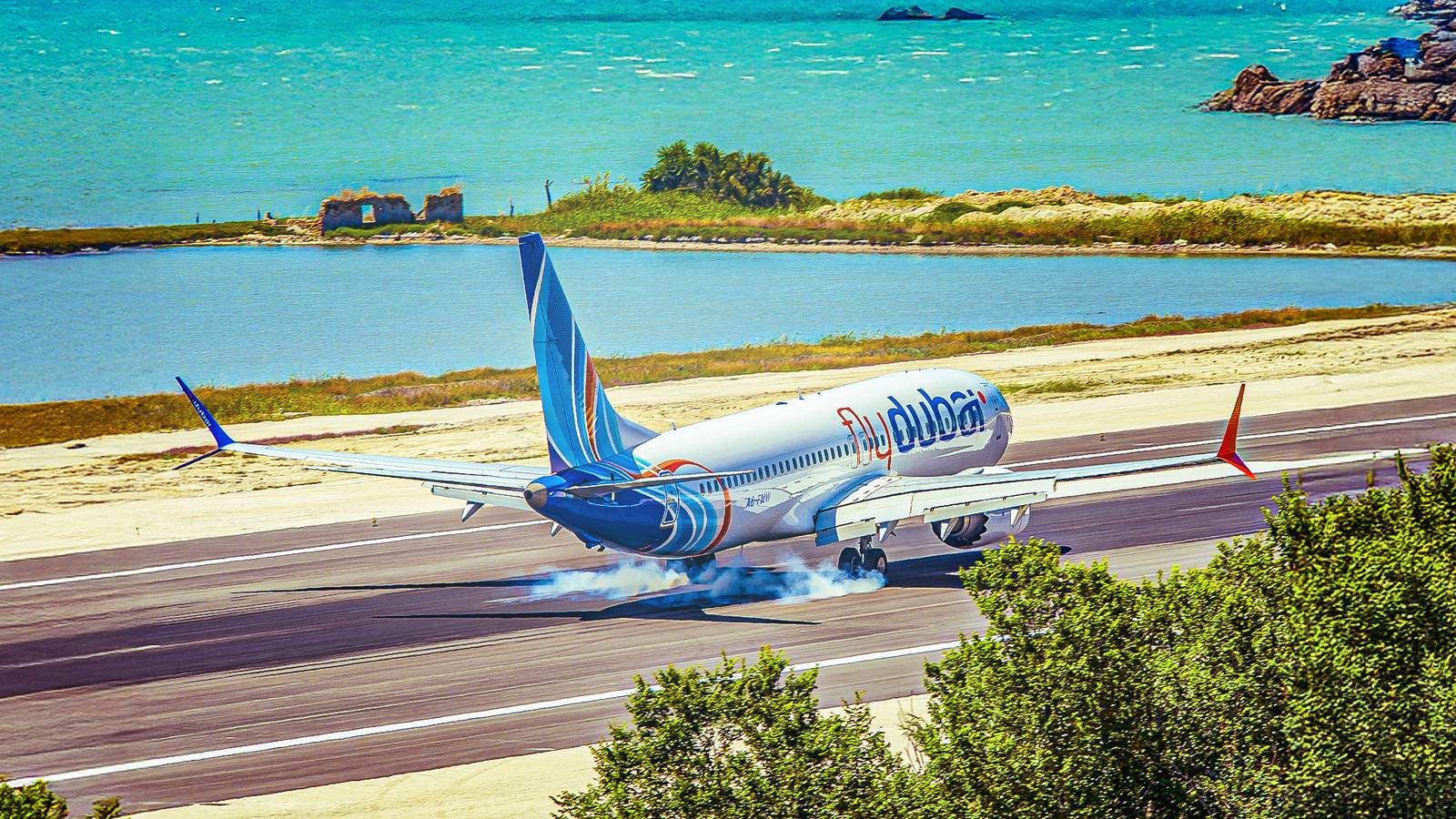
Flydubai, often referred to as the "little sister" of Emirates, operates a fleet of Boeing 737-800s and 737 MAXs on flights up to 7 hours and 20 minutes. The airline schedules flights to 119 destinations in November, with 35 (29%) of these also operated by Emirates. Both airlines, owned by the Government of Dubai, complement each other through shared frequent flyer program Emirates Skywards and a significant codeshare, rather than competing with each other.
Key Points:
Actionable Takeaways:
Contextual Insights:
The article reflects the ongoing trend of collaboration and partnership within the airline industry, particularly among airlines owned by the same government entity. This trend is indicative of a broader industry shift towards strategic alliances and shared resources to enhance service offerings and customer loyalty. As the travel industry continues to evolve, such collaborations can play a crucial role in navigating market dynamics, optimizing operational efficiencies, and enhancing customer experiences. Furthermore, the shared use of a frequent flyer program underscores the importance of leveraging existing infrastructure to drive growth and innovation in travel tech and fintech sectors, particularly in areas related to loyalty programs and codeshare agreements. This approach not only fosters a competitive yet cooperative environment but also positions airlines to better respond to changing consumer preferences and market demands.
Read the Complete Article.
Get curated travel AI insights — choose the newsletters that matter to you.
This spot is reserved for brands with a compelling story for the travel trade. They use this space to cut...
Read moreDetailsALTOUR Expands into Thailand, Strengthening Corporate Travel Network Across Southeast Asia BANGKOK, THAILAND (25 March, 2026) – ALTOUR, a leading...
Read moreDetails


Comprehensive Summarization: The article from INSETE highlights a significant 5.9% increase in international air arrivals to Greece in 2025, reaching...
Read moreDetails