





No products in the cart.
- Latest
- Trending

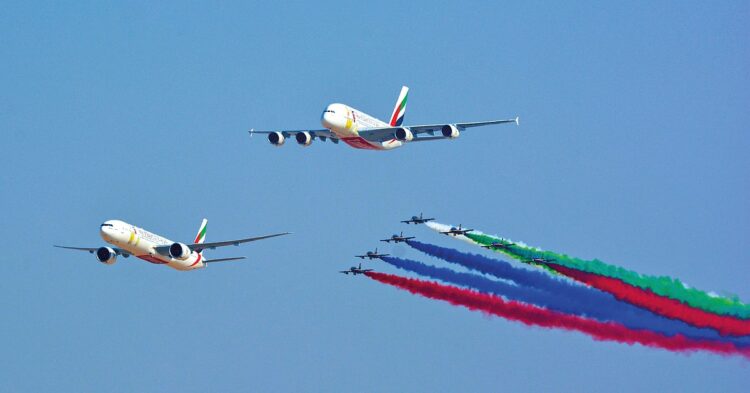
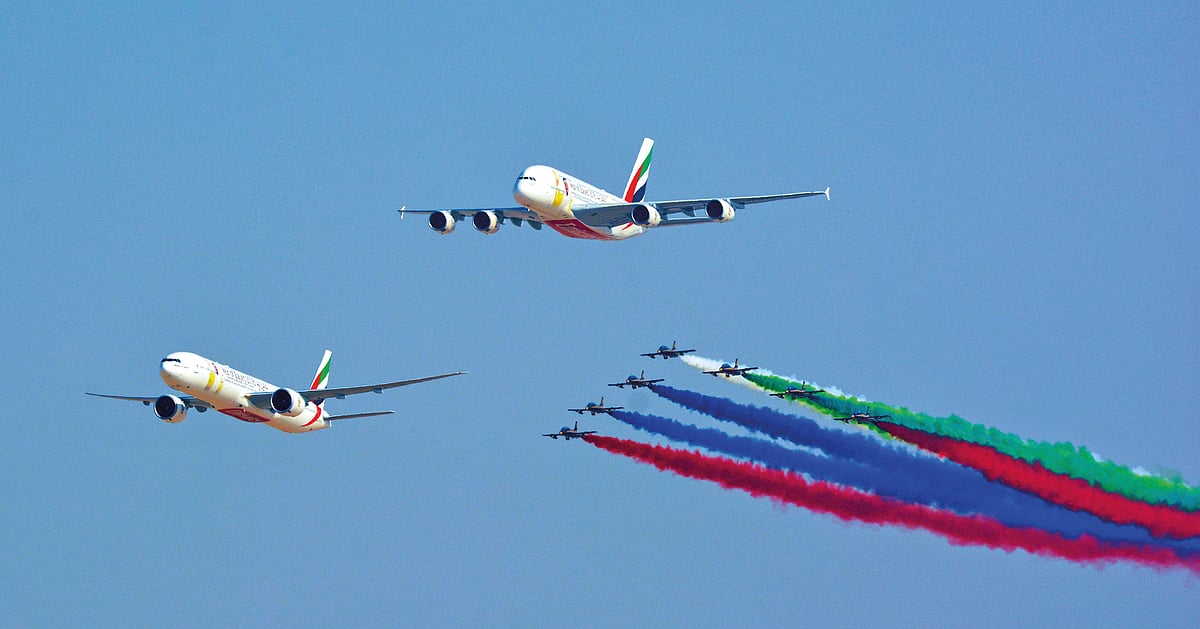
The Dubai Airshow features more than 1,500 exhibitors from 148 countries and over 200 commercial, military, and private aircraft
Article Summary:
The article discusses the challenges faced by Airbus and Boeing in meeting delivery schedules for their aircraft, which are critical for airlines looking to secure early deliveries. Airlines are caught between the desire for timely deliveries and the need for flexibility in choosing aircraft variants as production is slow. Ziemelis, a representative, notes that while airlines want to be at the front of the queue, the long lead times mean they will likely request options on the final variant they receive. Gabriel Semelas, President of Airbus for Africa, adds further context to the discussion.
Key Points:
Actionable Takeaways:
Strategic Flexibility in Aircraft Selection: Airlines should adopt a flexible approach in selecting aircraft variants, allowing for adjustments as production timelines evolve. This flexibility can mitigate risks associated with delivery delays and ensure alignment with operational needs.
Contextual Insights:
The article reflects the broader challenges faced by the aerospace industry in managing supply chain disruptions, which are increasingly common due to global events and technological advancements. The focus on flexibility and strategic negotiation highlights the adaptive nature of the travel industry in response to such disruptions. As airlines navigate these challenges, they are likely to explore innovative solutions, such as partnerships with startups in supply chain management or leveraging fintech solutions for financial flexibility. These insights underscore the importance of agility and strategic foresight in maintaining operational resilience and competitive advantage in the face of evolving industry dynamics.
Read the Complete Article.
Get curated travel AI insights — choose the newsletters that matter to you.
This spot is reserved for brands with a compelling story for the travel trade. They use this space to cut...
Read moreDetailsALTOUR Expands into Thailand, Strengthening Corporate Travel Network Across Southeast Asia BANGKOK, THAILAND (25 March, 2026) – ALTOUR, a leading...
Read moreDetails


Comprehensive Summarization: The UN peacekeeping mission in the Democratic Republic of Congo (MONUSCO) has issued a warning that hostilities between...
Read moreDetails