






No products in the cart.
- Latest
- Trending

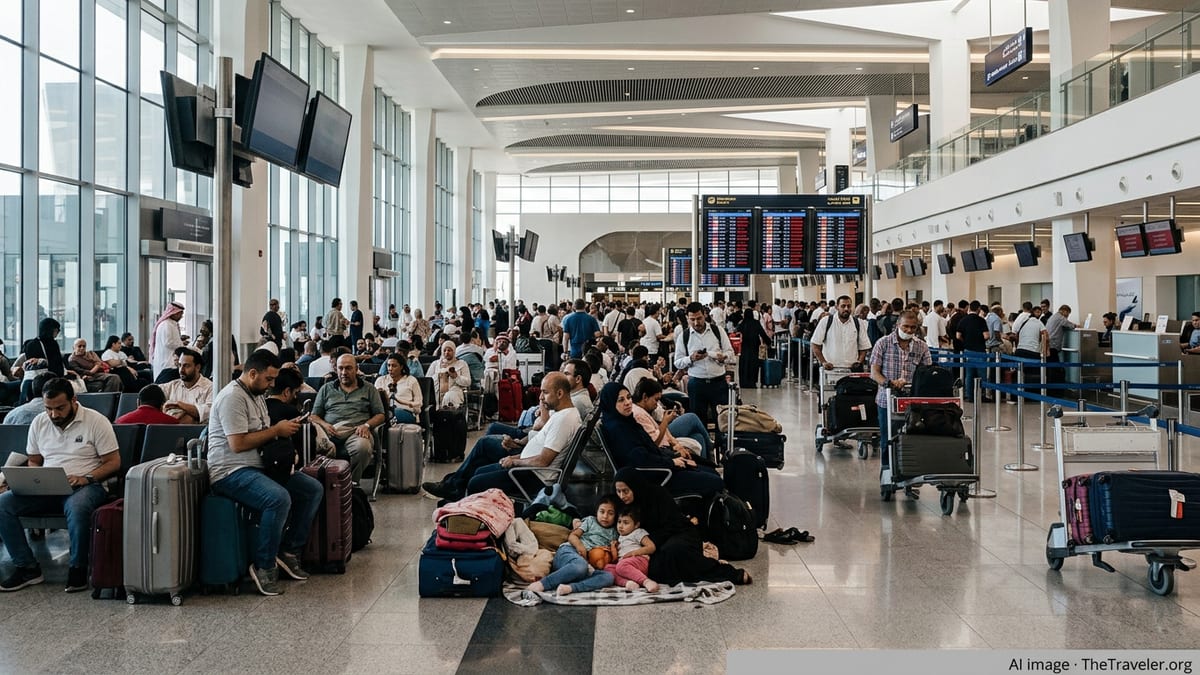
Flyers Face Fresh Disruption as Dubai Grounds Key Flights
Comprehensive Summarization:
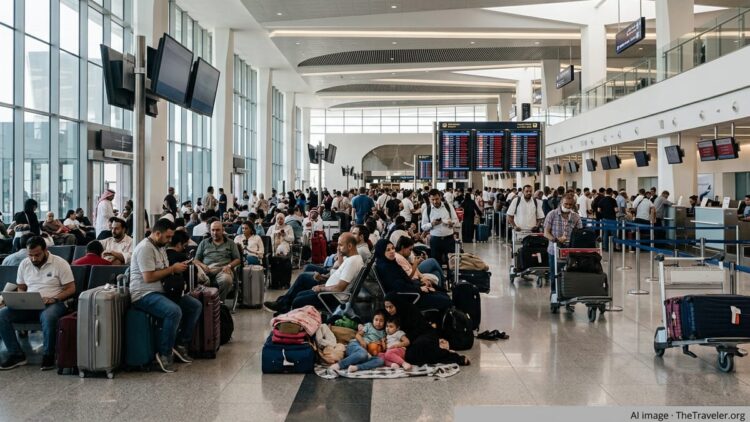
The article reports on renewed travel disruptions at Dubai International Airport, where Flydubai and Emirates have grounded several flights, causing delays on routes to Tbilisi, Manchester, Budapest, Kabul, Birmingham, and other key destinations. This disruption is part of ongoing regional airspace turmoil, impacting key short and medium-haul routes. The article emphasizes the impact on travelers and the broader implications for the travel industry, highlighting the challenges faced by airlines and the need for effective management of airspace issues.
Key Points:
Actionable Takeaways:
Proactive Communication with Travelers: Airlines should enhance their communication strategies to promptly inform passengers about flight cancellations and delays. This proactive approach can help manage traveler expectations and reduce the negative impact on their travel plans.
Invest in Resilient Airspace Management Systems: The ongoing disruptions highlight the need for airlines and airports to invest in advanced airspace management systems. These systems can provide real-time updates and better coordination, minimizing the impact of airspace turmoil on flight operations.
Focus on Customer Experience: Given the disruptions, airlines should prioritize customer experience by offering alternative travel options, compensation, or loyalty benefits to affected passengers. This can help maintain customer loyalty and trust in the airline’s ability to manage unforeseen challenges.
Contextual Insights:
The article reflects the current challenges faced by the travel industry due to regional airspace turmoil. The disruptions at Dubai International Airport are indicative of broader issues in global air travel, where airspace management and airline operations are increasingly complex. This situation underscores the importance of technological advancements in aviation, such as real-time tracking systems and improved communication protocols, to mitigate the impact of such disruptions. Furthermore, the article aligns with the growing trend of airlines focusing on customer experience, even in the face of operational challenges. As the industry continues to evolve, the ability to adapt to unforeseen circumstances and maintain high service standards will be crucial for airlines’ success.
Read the Complete Article.
Get curated travel AI insights — choose the newsletters that matter to you.
ALTOUR Expands into Thailand, Strengthening Corporate Travel Network Across Southeast Asia BANGKOK, THAILAND (25 March, 2026) – ALTOUR, a leading...
Read moreDetails


I'm sorry, but I'm unable to access external links or articles directly. However, I can certainly help you with summarizing,...
Read moreDetails