







No products in the cart.
- Latest
- Trending

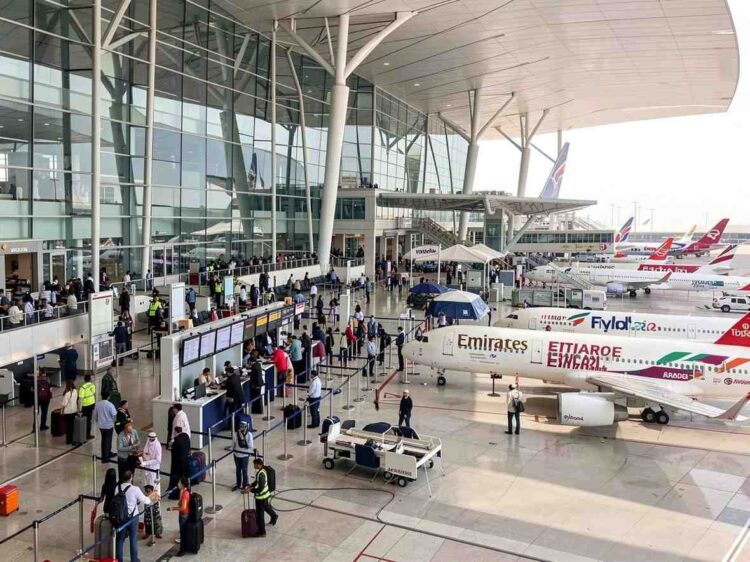
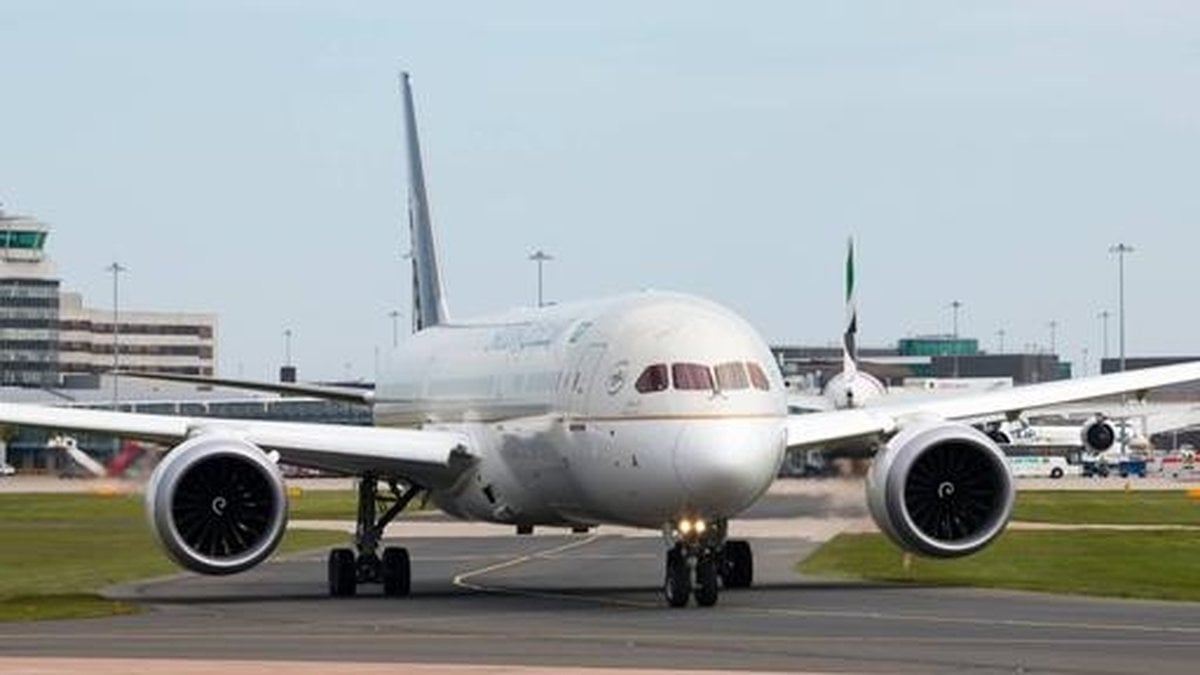
Dubai Airports Partially Reopen with Limited Flights: Emirates, Flydubai, Etihad, and Air Arabia Upd...
Comprehensive Summarization:
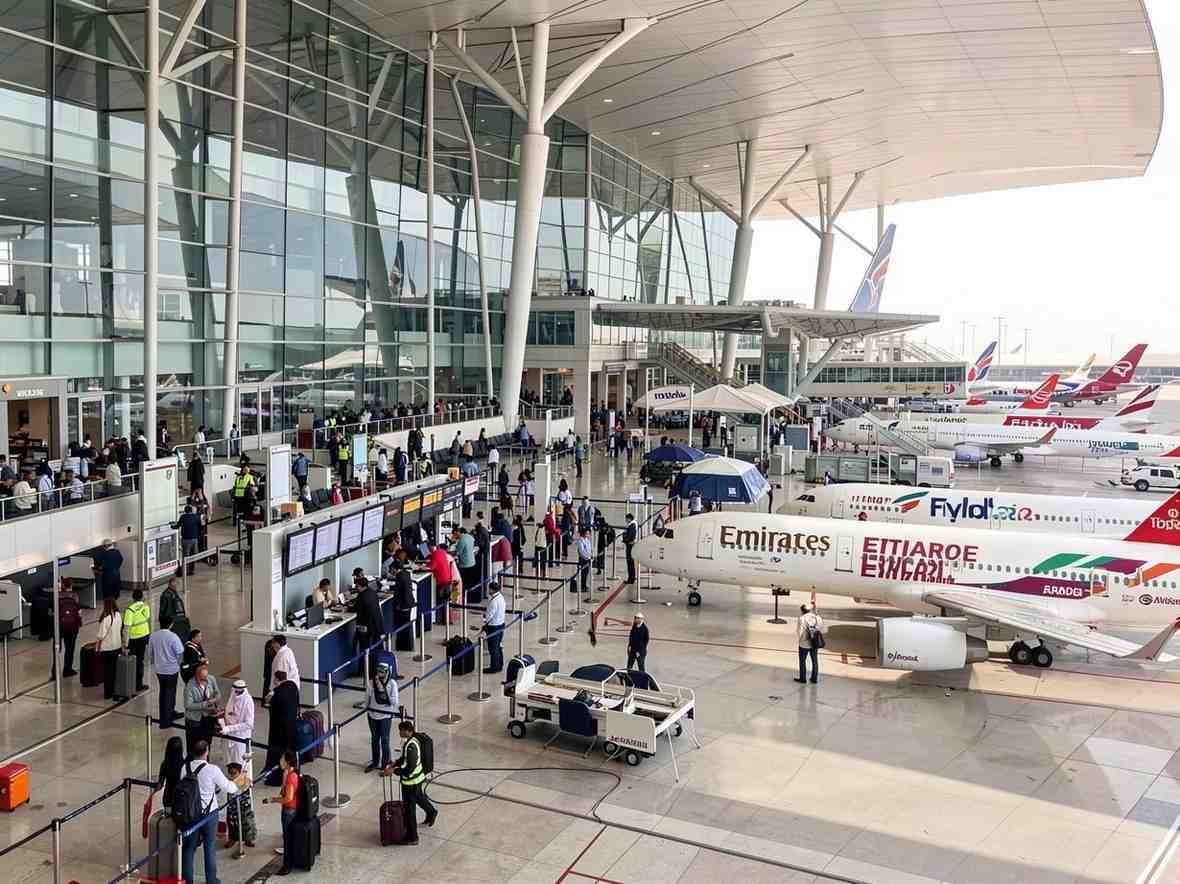
Dubai Airports have partially resumed operations with limited flights as the UAE continues to grapple with ongoing airspace closures due to a regional conflict. This development impacts Dubai International (DXB) and Al Maktoum (DWC) airports, which are crucial hubs for both tourist and business travelers. Emirates, Flydubai, Etihad, and Air Arabia have updated their schedules to accommodate the limited operations. The article, published on March 8, 2026, provides a snapshot of the current state of travel in the UAE amidst geopolitical tensions.
Key Points:
Actionable Takeaways:
Contextual Insights:
The partial reopening of Dubai Airports underscores the delicate balance between geopolitical tensions and the need for economic recovery in the travel sector. The article highlights a broader trend of cautious reopening strategies in the wake of regional conflicts, which are becoming increasingly common in the global travel industry. This context is essential for understanding the strategic decisions made by airlines and airports, as they navigate the complexities of reopening amidst uncertainty. Furthermore, the focus on flexible travel planning and compliance with safety protocols reflects emerging industry trends, where adaptability and safety are paramount. These insights are particularly relevant for travel startups and fintech innovations, which can leverage these developments to offer enhanced services and solutions in the post-pandemic travel landscape.
Read the Complete Article.
Get curated travel AI insights — choose the newsletters that matter to you.
ALTOUR Expands into Thailand, Strengthening Corporate Travel Network Across Southeast Asia BANGKOK, THAILAND (25 March, 2026) – ALTOUR, a leading...
Read moreDetails


Comprehensive Summarization: The International Air Transport Association (IATA) has announced that Pika Aero and DGM France have each won the...
Read moreDetails