





No products in the cart.
- Latest
- Trending

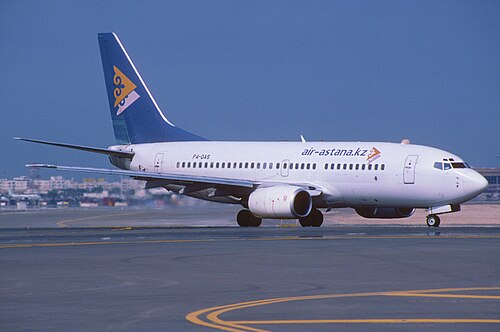
Dubai International Airport
Comprehensive Summarization:
Dubai International Airport (DXB) operated with limited commercial flight schedules on Saturday, March 28, 2026, due to ongoing regional security concerns, recent weather disruptions, and a backlog of delays from earlier airspace restrictions. Emirates and flydubai were among the airlines maintaining reduced schedules. The airport, known as the world’s busiest for international passengers, handled departures and arrivals with significantly fewer operations than usual. This situation reflects the ongoing challenges faced by the travel industry in navigating security issues, adverse weather conditions, and logistical delays, which continue to impact airport operations and passenger flow.
Key Points:
Actionable Takeaways:
Enhanced Security Protocols: Given the ongoing security concerns affecting DXB and potentially other major airports, airlines and airport authorities should consider enhancing security protocols to ensure safe operations. This could involve investing in advanced security technologies and training staff to handle potential threats more effectively. This takeaway is crucial as it directly addresses the immediate operational challenges faced by airports in high-risk regions.
Flexible Scheduling and Passenger Management: The reduced flight schedules at DXB underscore the need for airlines to implement flexible scheduling and efficient passenger management systems. By offering more frequent or flexible flight options, airlines can better manage passenger flow and minimize delays. This approach can help maintain passenger satisfaction and operational efficiency, especially during periods of heightened uncertainty.
Investment in Resilient Infrastructure: The airport’s backlog of delays from earlier airspace restrictions highlights the importance of resilient infrastructure. Investing in infrastructure that can withstand and quickly recover from disruptions, such as weather-related delays or security incidents, is essential. This could include upgrading air traffic management systems, expanding runway capacity, or enhancing communication networks to ensure seamless operations even under adverse conditions.
Contextual Insights:
The article’s context is deeply rooted in the current challenges faced by the global travel industry, particularly in regions where security concerns and adverse weather conditions are prevalent. Dubai, as a major hub for international travel, serves as a microcosm of these challenges. The reduced flight schedules and operational constraints at DXB are indicative of broader trends affecting airports worldwide.
In terms of travel tech, the incident underscores the importance of leveraging technology to enhance operational resilience. Innovations such as real-time flight tracking, dynamic scheduling algorithms, and AI-driven passenger flow management systems can help airports adapt to unforeseen disruptions more effectively. Furthermore, the article hints at the growing significance of fintech in the travel sector, particularly in managing financial transactions during periods of heightened uncertainty. As airports navigate security concerns and logistical delays, fintech solutions that offer secure, seamless payment options and financial transparency will become increasingly valuable.
Overall, the article provides a snapshot of the current state of the travel industry, emphasizing the need for adaptability, technological innovation, and strategic planning to overcome the multifaceted challenges faced by airports and airlines.
Read the Complete Article.
Get curated travel AI insights — choose the newsletters that matter to you.
ALTOUR Expands into Thailand, Strengthening Corporate Travel Network Across Southeast Asia BANGKOK, THAILAND (25 March, 2026) – ALTOUR, a leading...
Read moreDetails


Comprehensive Summarization: Dubai International Airport (DXB) operated with limited commercial flight schedules on Saturday, March 28, 2026, due to ongoing...
Read moreDetails