








No products in the cart.
- Latest
- Trending


Multiple Flight Delays and Cancellations Impact Dubai, King Abdulaziz, King Khalid, and Bahrain Airp...
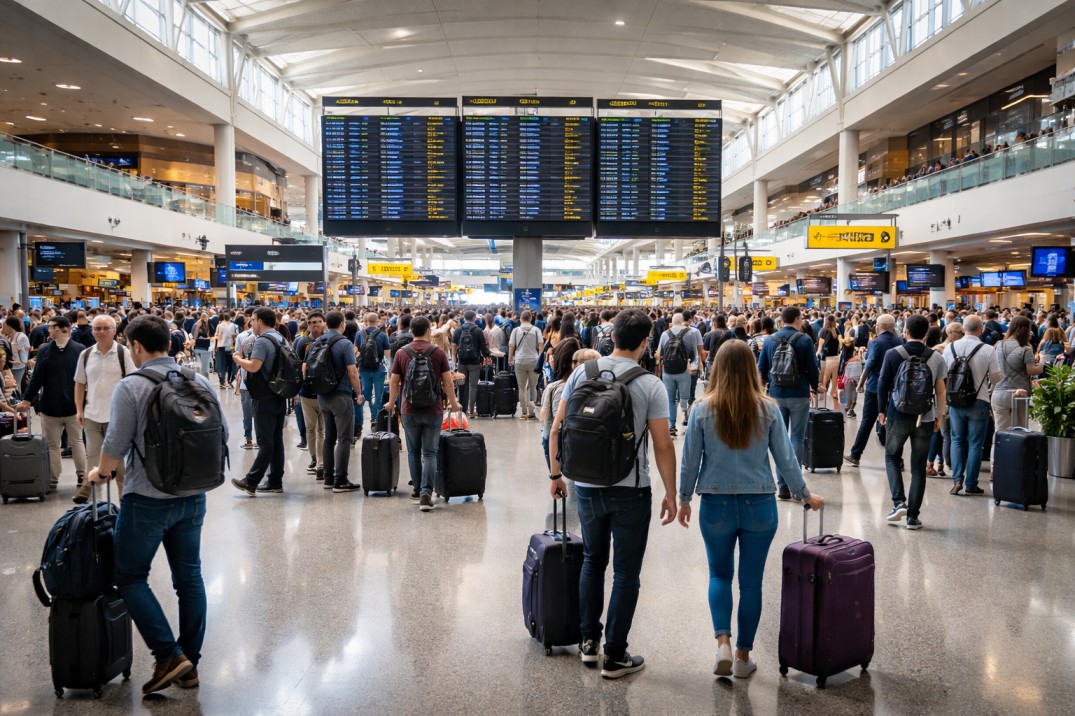
Travelers planning journeys through Dubai International Airport (DXB), King Abdulaziz International Airport (KAIA) in Jeddah, and King Khalid International Airport (KKIA) in Riyadh faced significant disruptions this week due to widespread flight delays and cancellations. Several major airlines, including British Airways, SpiceJet, Emirates, Air India, China Southern, flydubai, Gulf Air, and Korean Air, reported operational impacts, leaving passengers stranded and scrambling for alternatives.
The disruptions appear to stem from a confluence of factors, though specific details remain fluid. The article highlights the cascading effect of these cancellations, impacting not only direct routes but also connecting flights for a global passenger base. Airports in Saudi Arabia, particularly KAIA and KKIA, experienced substantial operational challenges, leading to extended wait times and uncertainty for thousands of travelers.
Dubai International Airport, a global aviation powerhouse, also reported a significant number of affected flights. While DXB is accustomed to high volumes of traffic, the scale of the recent cancellations indicates a broader systemic issue impacting airlines and their flight schedules. This has a direct bearing on passenger confidence and the seamless flow of international travel, a critical component of the region’s tourism and business sectors.
Airlines operating to and from these key hubs have been working to rebook passengers and manage the logistical nightmare. However, the sheer volume of affected flights means that resolution may take time, with potential for further ripple effects on future travel plans. Passengers are strongly advised to monitor their flight status directly with their respective airlines and to allow ample extra time for airport procedures if their travel is still planned.
For those impacted, understanding their rights and available options is paramount. Airlines are typically obligated to provide assistance, including rebooking, accommodation, and meals, depending on the length of the delay or cancellation and the passenger’s location. Staying informed and proactive is key to navigating these unforeseen travel challenges. The affected airports and airlines are working to mitigate the impact, but the current situation underscores the fragility of global air travel networks and the importance of contingency planning for both travelers and industry stakeholders.
Key Points
Read the Complete Article.
Get curated travel AI insights — choose the newsletters that matter to you.
ALTOUR Expands into Thailand, Strengthening Corporate Travel Network Across Southeast Asia BANGKOK, THAILAND (25 March, 2026) – ALTOUR, a leading...
Read moreDetails


Comprehensive Summarization: Kuwait Airways, the national carrier of Kuwait, is set to resume flights between Kuwait City and Istanbul starting...
Read moreDetails